
Best Places to Sell Gold Jewelry for the Highest Price
That inherited brooch or outdated chain sitting in your drawer has so much potential. While selling it for cash is a great option, have you considered giving it a new life? Here at Luce, we specialize in transforming forgotten pieces into modern designs you’ll love to wear. But we also know that sometimes, selling is the right move. If you’ve decided to sell, you deserve to get a price that truly reflects your jewelry’s value. We’ll guide you through the essential steps, from assessing your pieces to negotiating with confidence, so you can find the best place to sell gold jewelry for highest price and feel great about your decision.
Key Takeaways
- Value is more than just weight: Your gold's worth is determined by its purity (karat), its weight, and the current market price. A piece's value can also increase if it has a unique design, is an antique, or comes from a well-known designer.
- A little prep leads to a better payout: To get the best offer, take a few simple steps first. Group your jewelry by karat, check the current spot price of gold, and plan to get several quotes on the same day for an accurate comparison.
- Decide between selling for cash or creating a custom piece: If a piece holds sentimental value but doesn't fit your style, consider redesigning it. This allows you to preserve its history while creating something new you'll love to wear.
What's Your Gold Jewelry Really Worth?
That tangle of necklaces in your jewelry box or the ring you inherited years ago holds more than just memories; it holds value. But figuring out what your gold jewelry is actually worth can feel like a mystery. It’s not just about the weight of the piece. Several key factors come together to determine its true market value. Understanding these elements is the first step toward feeling confident about your decision to sell or even redesign a piece. Let's break down what jewelers look for when they assess gold.
The Purity of the Gold (Karat)
The most significant factor in your gold’s value is its purity, which is measured in karats (K). Think of it as a 24-part scale. Pure gold is 24K, meaning all 24 parts are gold. However, 24K gold is very soft, so it’s often mixed with other metals to create more durable alloys for jewelry. For example, 14K gold is 14 parts gold and 10 parts other metals, or 58.3% pure gold. The higher the karat, the more pure gold your item contains, and the more valuable it will be. You can usually find the karat marking stamped on your fine jewelry in a discreet spot, like the inside of a ring or on a necklace clasp.
Its Weight
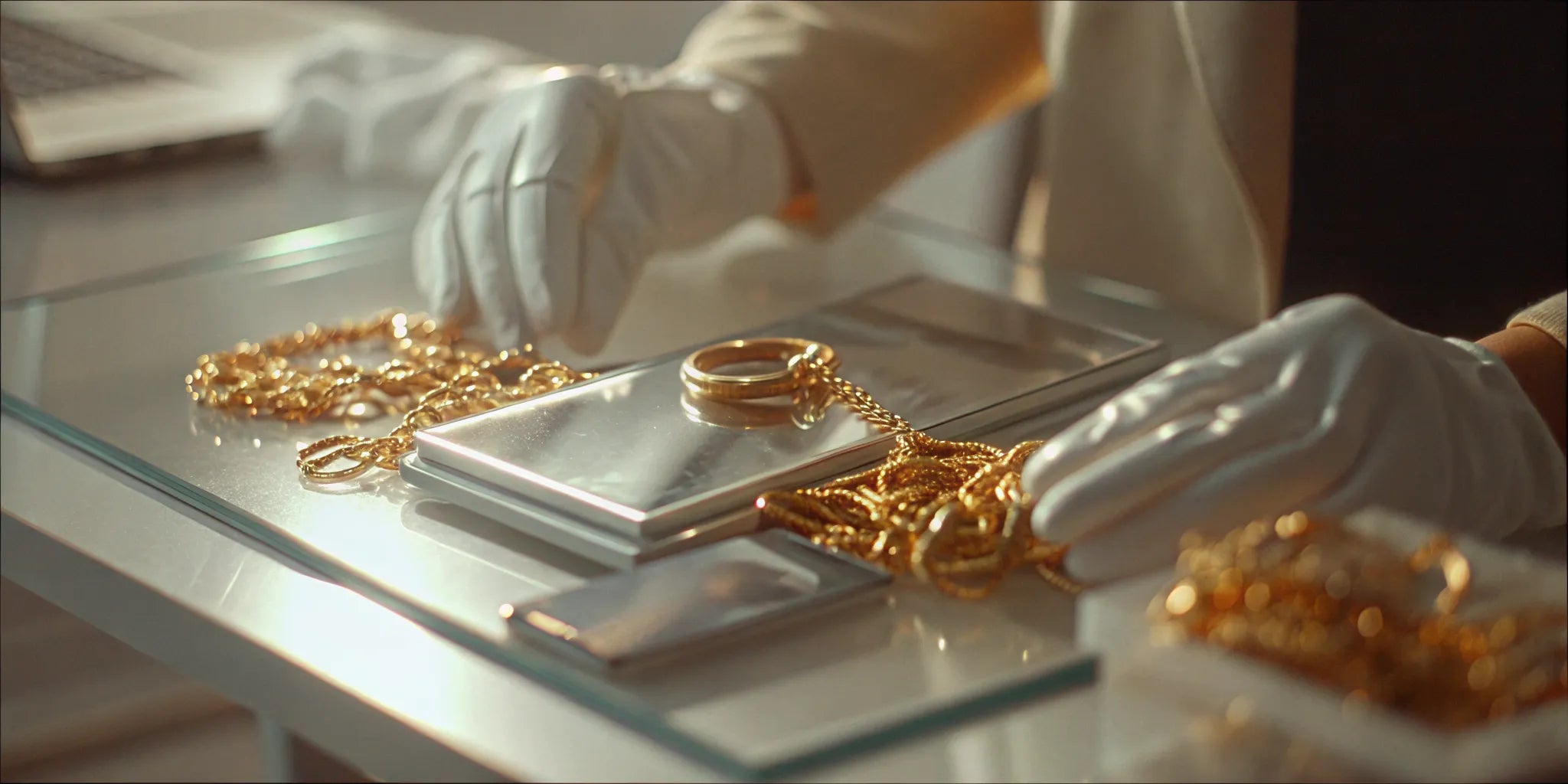
Once you know the purity, the next step is determining the weight. The price of gold is based on a specific unit of weight, so the heavier your piece is, the more it's generally worth. Jewelers use precise, calibrated scales to weigh gold, typically measuring in grams or troy ounces (one troy ounce is about 31.1 grams). When you bring your jewelry in for an appraisal, the first things a professional will do are identify the karat and weigh the item. This calculation of pure gold content based on purity and weight forms the baseline value of your piece before any other factors, like design or condition, are considered.
The Current Market Price
The price of gold is not static; it fluctuates daily based on global market activity. This is known as the "spot price" of gold, which is the price for one troy ounce of pure, 24K gold before it’s been fabricated into jewelry. When you sell your gold, a buyer will base their offer on the current spot price. They will then offer you a percentage of that value, accounting for the item's actual gold content (its karat purity) and their own business costs. It’s a good idea to have a general sense of the current market price before you start seeking quotes so you can better evaluate the offers you receive.
Design and Craftsmanship
Sometimes, a piece of jewelry is worth more than its weight in gold. The design, craftsmanship, and brand of an item can add significant value, especially if it’s a sought-after antique, a piece from a luxury designer, or features intricate workmanship. A simple, mass-produced gold band will likely be valued based on its melt value alone. However, a handcrafted piece with a unique design may fetch a higher price because it can be sold as a finished piece rather than just for its raw materials. Condition also plays a role; well-maintained jewelry will always be more appealing to a potential buyer.
Get Your Gold Ready to Sell
Before you walk into a jeweler or send your pieces away, taking a little time to prepare your gold can make a real difference in the offers you receive. Think of it as tidying up before a big event; it helps you present what you have in the best possible light and gives you a clearer understanding of its value. By organizing your items and doing a bit of homework, you step into the selling process with more confidence and knowledge. These simple actions help streamline the evaluation and ensure you have an informed, productive conversation with any potential buyer. Following these steps will help you feel prepared and ready to get a fair price for your jewelry.
Sort Your Pieces by Karat
First, take a moment to group your gold jewelry by its karat. The karat stamp, usually a tiny marking like 10K, 14K, or 18K, tells you the purity of the gold. For example, 14K gold is made of 14 parts gold and 10 parts other metals, which give it durability. Separating your items this way makes the appraisal process much smoother for the buyer, as they will price each group based on its specific gold content. If you find a piece without a stamp, don’t worry. Just set it aside; a professional jeweler can easily test its purity for you.
Remove Any Non-Gold Parts
The price you get for your gold is based on its weight, so anything that isn't gold won't be included in the final value. If you have pieces with large gemstones, beads, or other decorative elements you want to keep, it’s a good idea to have them taken out beforehand. While you might be able to remove some things yourself, it's often best to let a professional handle it to avoid damaging the stone or the setting. Most jewelers can safely remove them for you, ensuring your precious gems are preserved for a future design.
Clean and Present Your Jewelry
While much of the gold sold is valued for its raw material, a clean and well-presented piece can sometimes command a better price, especially if it’s a desirable style. An item in excellent condition or a true antique might be worth more than its simple melt value. You don’t need any special equipment to clean your jewelry. Gently wiping it with a soft, lint-free cloth is a great start. For a deeper clean, you can use a bit of mild soap with warm water and a soft-bristled toothbrush, then rinse and dry it thoroughly. This simple step helps your jewelry look its best.
Research Current Gold Prices
Walking into a sale with a general idea of the market can make you a more confident seller. Take a few minutes to look up the current price of gold, often called the "spot price." This is the price for pure, 24K gold, and it changes daily. While you won't be offered the full spot price (as buyers need to account for refining costs, alloys, and their own profit), knowing this number gives you a realistic benchmark. It helps you understand the offers you receive and have a more informed discussion about the value of your items.
Gather Your Paperwork
If you have any original paperwork for your jewelry, now is the time to find it. This includes receipts, certificates of authenticity, or formal appraisals. This documentation is especially helpful for designer pieces or items with significant diamonds, as it can verify their quality and provenance, potentially adding to their value. For most other gold items, a formal appraisal usually isn't necessary and may not be worth the cost. However, having any original documents on hand is always a good practice and shows you’ve done your homework.
Where Should You Sell Your Gold Jewelry?
Once you have an idea of what your gold is worth, it’s time to find the right buyer. The best place to sell your gold depends on what you value most: the highest possible payout, convenience, speed, or personal service. Each option comes with its own set of pros and cons, so understanding the differences will help you make a choice you feel good about. From your trusted neighborhood jeweler to online buyers, let's look at the most common places to sell your gold jewelry and what you can expect from each.
Luce Jewelry
Before you decide to sell, consider the potential your old jewelry holds. Here at Luce, we specialize in transforming forgotten pieces into modern treasures. That single earring, broken chain, or inherited ring you no longer wear could be redesigned into a piece you’ll love and wear every day. We can use your gold and gemstones to create a completely custom design that reflects your personal style. Bringing your jewelry to us for a consultation is a great first step. We can assess your pieces, discuss their potential, and help you decide if reimagining them is a better option than selling them for their melt value.
Local Jewelers
A reputable local jeweler is often a fantastic choice for selling gold. They can offer a good balance of a fair price, convenience, and transparency. At a local shop, the jeweler will typically test and weigh your items right in front of you, explaining the process as they go. This transparency provides peace of mind. Because they are also in the business of selling jewelry, they might offer you a higher price for a piece that has strong design appeal and can be sold in their store, rather than just its value in melted gold. Plus, you get paid on the spot, making the transaction simple and immediate.
Online Gold Buyers
If your top priority is getting the highest possible cash payout, online gold buyers are a compelling option. These companies often pay more because they have lower overhead costs than a brick-and-mortar store. Reputable online buyers typically offer around 90% to 95% of the gold's market price. The process usually involves requesting a mail-in kit, sending your jewelry in a secure, insured package, and receiving an offer once they’ve assessed your items. While you might get a better price, this option requires you to part with your jewelry before you get paid, so it’s crucial to research the company thoroughly and ensure they are trustworthy and insured.
Gold Exchanges and Refiners
Gold exchanges and refiners are another avenue, though they often work with larger quantities of precious metals. These businesses typically have direct relationships with major metal refiners, which allows them to secure good prices. For an individual with just a few pieces to sell, this might not be the most accessible route. However, if you have a significant amount of gold, it could be worth looking into a local exchange. They operate on a model similar to online buyers, focusing on the raw material value of the gold rather than the craftsmanship of the jewelry itself.
Pawn Shops
Pawn shops are well-known for providing fast cash, but that convenience comes at a steep price. They generally offer the lowest payouts for gold jewelry, sometimes as little as 60% to 70% of its melt value, and occasionally even less. Their business model involves higher risks and overhead, which is reflected in their offers. While selling to a pawn shop is quick and straightforward, it’s rarely the best way to get a fair price for your gold. This option is best reserved for situations where you need immediate cash and have exhausted all other possibilities.
What Payout Should You Expect?
Understanding what you’ll get paid for your gold jewelry is key to feeling confident in your decision. The payout is almost always a percentage of the gold’s market value, also known as the "spot price." This percentage can vary dramatically depending on where you choose to sell. A buyer’s overhead costs, business model, and the services they offer all play a role in the final price they can give you. Let's break down the typical payout ranges for the most common places you might sell your gold so you can set clear expectations from the start.
Online Buyers
If your main goal is to get the highest possible cash amount, online gold buyers are often your best bet. Because they don’t have the overhead of a physical storefront, they can typically offer more competitive prices. You can generally expect a payout of around 90% to 95% of the gold's market value. The process usually involves you mailing your items in a secure, insured package provided by the company. Once they receive and assess your jewelry, payment is often sent within a business day. This is a fantastic option if you prioritize maximum return and are comfortable with the mail-in process.
Local Jewelers
Selling to a local jeweler offers a blend of fair pricing and personal service. Reputable jewelers in your community typically pay between 70% and 85% of the gold's spot price. The biggest advantage here is the immediacy and transparency of the transaction. You can watch the appraisal, ask questions, and walk out with payment in hand the same day. A trusted local jeweler can also talk you through other possibilities for your old pieces, like using the materials to create a new custom design that better fits your style. It’s a great choice for those who value face-to-face interaction and expert guidance.
Pawn Shops
Pawn shops provide the quickest way to get cash for your gold, but this convenience comes at a significant cost. They generally offer the lowest payouts, often falling between 60% and 70% of the gold's value, and sometimes much lower. Their business model relies on buying low to ensure a profit on a quick turnaround. While a pawn shop might be a necessary option if you need money immediately, it’s important to know that you will likely be sacrificing a substantial portion of your jewelry’s potential value. Think of this as a last resort rather than a primary choice for selling valuable pieces.
The Trade-Off: Payout vs. Convenience
Ultimately, your decision comes down to what you value most in the transaction. Online buyers will give you the highest payout, but you’ll need to wait a few days for the process to complete. Local jewelers, on the other hand, provide instant payment and the peace of mind that comes with an in-person appraisal, though the offer will be slightly lower. It’s a classic trade-off between getting top dollar and getting cash now. By weighing these factors, you can choose the path that feels right for you and your jewelry.
Common Pitfalls to Avoid When Selling Gold
Selling your gold jewelry should feel empowering, not stressful. Unfortunately, not every buyer has your best interests at heart. Knowing what to watch out for is just as important as knowing where to go. A few common red flags can be the difference between getting a fair price and walking away feeling short-changed. Think of this as your guide to spotting those pitfalls from a mile away, so you can approach the process with confidence and get the payment you deserve for your beautiful pieces. Being prepared helps you protect the value of your jewelry and ensures the experience is a positive one.
Lowball Offers and Pressure Tactics
A trustworthy buyer will make a fair offer based on your gold's true value. If you receive an offer that feels surprisingly low, it probably is. Be cautious of anyone offering you less than 85% of the spot value. Another red flag is high-pressure sales tactics. If a buyer tells you an offer is only good for the next five minutes, it’s a clear sign they’re trying to rush you into a bad decision. A fair offer will still be fair in an hour. Don't be afraid to thank them for their time and walk away.
Hidden Fees and Mail-In Risks
Mail-in gold services often advertise convenience, but that convenience can come at a cost. When you mail your jewelry away, you lose all oversight of the process. You can’t watch them test your pieces, and the offer you receive might be much lower than what you’d get in person. Worse, if you reject the offer, getting your items back can be a hassle. We believe in a transparent process, which is why we love helping clients with custom designs in our studio, where you are part of every step.
Out-of-Sight Testing
This is a simple but critical rule: never let your jewelry out of your sight. A reputable jeweler will always test your gold right in front of you, explaining each step of the process. If a buyer wants to take your pieces into a back room to test them, that’s a major warning sign. Transparency is non-negotiable when you’re selling a valuable asset. You have every right to observe the entire appraisal, ensuring everything is handled correctly and professionally, much like the care we take with our jewelry repairs.
Skipping a Second Opinion
Even if you love the first offer you get, you should always get a second (or even third) opinion. Gold prices change daily, so try to visit a few different local jewelers on the same day for an accurate comparison. This is the only way to know for sure that you’re getting the best possible price. Think of it as doing due diligence for your valuables. Visiting different shops gives you a clear picture of what your rings or other pieces are truly worth on the current market, empowering you to make the smartest choice.
Secure the Best Price for Your Gold
Getting the most money for your gold jewelry isn't about luck; it's about strategy. With a few smart steps, you can feel confident that you’re receiving a fair price for your pieces. Here’s how to approach the process like a pro and ensure you get the best possible return.
Sell When Gold Prices Are High
Timing can make a significant difference in your payout. The price of gold changes daily, influenced by global markets. Selling when the market is high can substantially increase your offer. Before you start visiting buyers, take a moment to check the current market price of gold. This gives you a baseline and helps you understand what your jewelry might be worth as a raw material. If prices are in a strong position, it’s an excellent time to act. Knowing the day’s rate empowers you to evaluate offers more accurately and decide if it’s the right moment to sell.
Get Multiple Quotes the Same Day
To ensure you’re getting a competitive offer, plan to visit at least two or three different buyers. Because the price of gold fluctuates throughout the day, getting quotes on the same day allows for a true apples-to-apples comparison. When you receive an offer, don’t be shy about asking for the math. A reputable buyer should be able to clearly explain how they arrived at their price, showing you the weight, karat, and the percentage of the market price they’re offering. This transparency is a hallmark of a trustworthy jeweler, like the experts at Luce Jewelry.
Negotiate with Confidence
Confidence comes from being informed. When you walk into a jewelry store, you should feel comfortable with the process. A trustworthy buyer will test your gold and weigh it right in front of you, explaining each step. This transparency is non-negotiable. If a buyer takes your pieces into a back room or doesn’t explain their evaluation, it’s a major red flag. Remember that you are in control of the transaction. Knowing the day's gold price and having other quotes gives you a solid foundation for any negotiation. Our team is always happy to explain our process for jewelry repairs, and we bring that same transparency to evaluating your gold.
Be Prepared to Walk Away
This is your most powerful tool. If an offer feels too low or you feel pressured, you always have the right to say "no, thank you" and leave. Some businesses may offer a low percentage of the gold’s market value, hoping you don’t know any better. As a general rule, be wary of any offer that is less than 85% of the melt value. A fair offer from a reputable jeweler will be much more competitive. Holding onto your jewelry is always better than accepting a bad deal. Waiting for the right buyer who respects you and the value of your pieces will always pay off in the end.
Should You Sell or Reimagine Your Gold Jewelry?
That box of old jewelry sitting in your drawer holds more than just precious metal; it holds memories and history. Deciding what to do with these pieces can feel complicated. Do you turn them into cash, or do you transform them into something new? There’s no single right answer, but thinking through your connection to the piece and your current needs can make the decision much clearer. The choice really comes down to whether the value is purely financial or deeply sentimental.
When Selling Is the Right Move
Sometimes, letting go is the best path forward. If a piece of jewelry doesn’t match your personal style, brings up difficult memories, or you simply need the money, selling is a practical and straightforward option. It allows you to convert an unused item into funds you can use for something more immediate or meaningful to your life right now. Keep in mind that the payout for pre-owned jewelry is based on the raw materials, not its original retail price. For a transparent and fair process, it's always best to work with a trusted local jeweler who can accurately assess your gold and give you a competitive offer on the spot.
When to Consider a Custom Redesign
What if you love the story behind a piece but not the design itself? This is the perfect time to consider a custom redesign. If you have an heirloom with sentimental value, like your grandmother’s engagement ring or a pendant from a loved one, you don’t have to part with it. We can help you reimagine the piece into something that reflects your style. By resetting the original diamonds or gemstones into a modern ring, necklace, or pair of earrings, you preserve the heart of the jewelry while giving it a new life. This approach lets you create a future heirloom you’ll actually love to wear every day.
Frequently Asked Questions
What if my jewelry doesn't have a karat stamp? Don't worry, this is quite common, especially with older or custom-made pieces. Any professional jeweler can determine the gold purity for you. They use a simple, non-damaging test to identify the karat. A trustworthy buyer will always perform this test right in front of you and explain the results, so you can be confident in their assessment.
What about the gemstones in my jewelry? Will I get paid for those too? The value of your gemstones is separate from the value of the gold. Most buyers who focus on gold are primarily interested in the weight and purity of the metal itself. If you have significant diamonds or other valuable stones, their value should be assessed separately. Often, the best approach is to have a jeweler carefully remove the stones so you can keep them for a future piece, allowing you to sell the gold for its material value.
Why can't I get the full "spot price" for my gold? The spot price you see online is the market rate for pure, 24K gold as a raw commodity. When you sell jewelry, the buyer has to account for several costs. These include the process of melting and refining the gold back into its pure form, the fact that your jewelry is an alloy (like 14K or 18K, not pure 24K), and their own business operating costs. The offer you receive is a percentage of the spot price that reflects these factors.
Is it worth getting a formal appraisal before I try to sell my gold? For most gold jewelry, a formal written appraisal is not necessary and probably isn't worth the cost. Buyers will do their own assessment based on weight and the current market price. The main exception is for signed designer pieces or jewelry with very large, high-quality diamonds, where an official appraisal or certificate can help prove its provenance and add to its value.
I'm attached to a piece but don't wear it. What's a better option than just selling it? This is the perfect situation to consider a redesign. If a piece holds sentimental value but the style feels dated, you don't have to part with it. We can use the gold and gemstones from your original jewelry to create a new, custom piece that you'll truly love and wear. This way, you preserve the memories and materials while transforming them into a modern heirloom that fits your life today.