Bracelet Stacking: The Complete Styling Guide
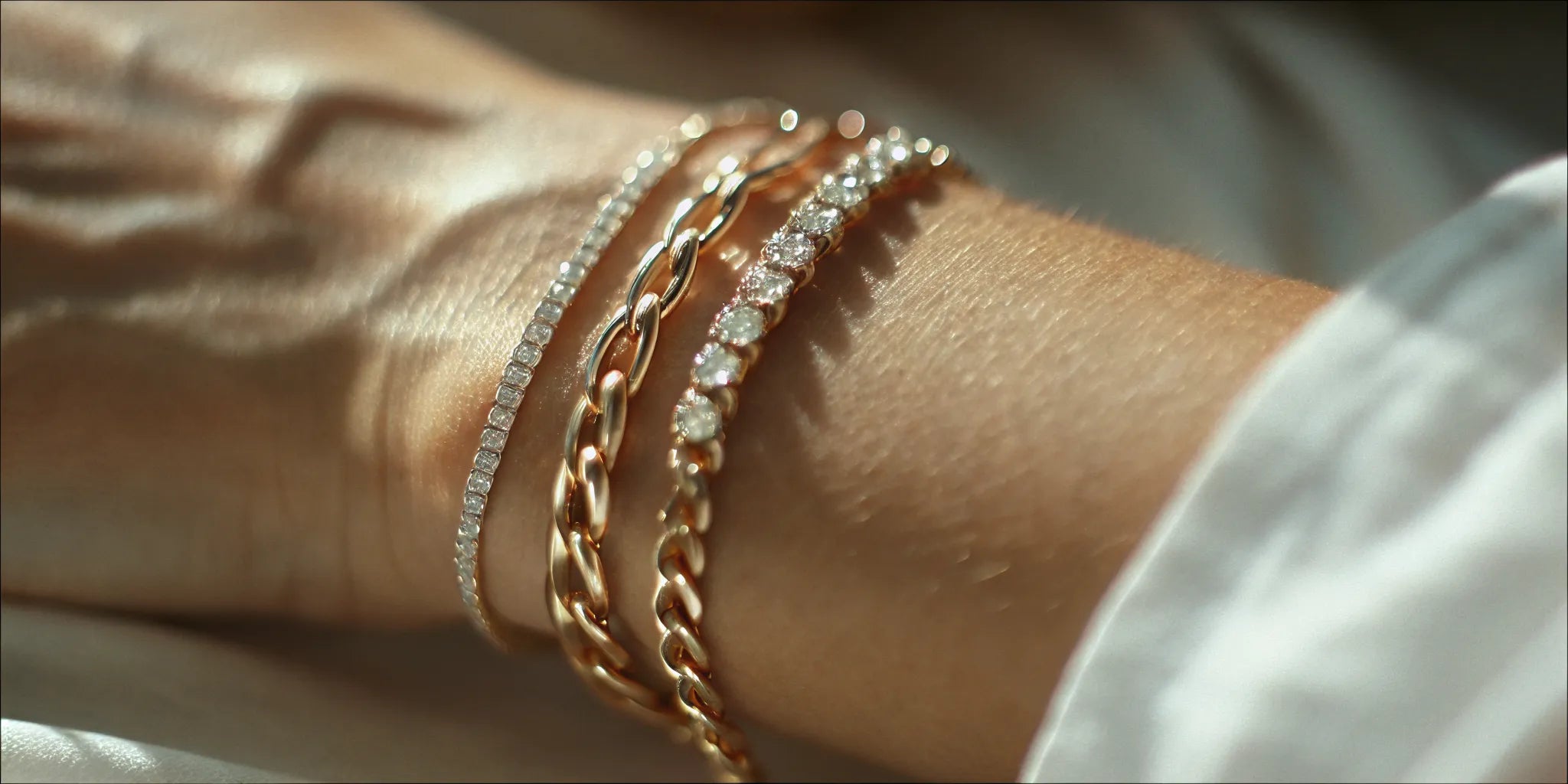
The most memorable bracelet stacks look collected, not crowded. A beaded bracelet can bring color, a chain can add movement, and a diamond tennis bracelet or cuff can give the combination its polish. The key is choosing pieces that relate through metal, texture, proportion, or personal meaning.
Curate your bracelet stack with LUCE's modern fine jewelry collection.
Bracelet stacking is the art of layering multiple bracelets on one wrist to create a cohesive, personalized look. Start with an anchor piece, then add contrasting textures and varied widths so the result feels intentional. Three bracelets is an approachable starting point, but your ideal combination should suit your style and everyday comfort.
Whether you prefer understated gold, colorful beads, or a little more diamond sparkle, the right stack develops from a thoughtful foundation. Begin by understanding what makes layered bracelets work together, then build from there.
What Is Bracelet Stacking and Why It Works
Bracelet stacking is the art of layering multiple bracelets on one wrist to create a look that feels cohesive, personal, and easy to wear. Instead of relying on one statement piece, you build visual interest through a considered mix of shapes, widths, finishes, and materials. The result can be subtle and polished or expressive and full of color, depending on the pieces you choose.
Start with one anchor piece
The most successful stacks usually begin with an anchor. This is the bracelet that gives the group its direction and visual weight. A diamond tennis bracelet, structured bangle, substantial cuff, or slightly thicker chain can all serve this purpose. Once that foundation is in place, add lighter pieces that complement it rather than compete with it.
An anchor does not have to be the most expensive bracelet in your jewelry box. It simply needs enough presence to establish proportion. For example, a clean gold bangle can ground a combination of a delicate chain and a beaded bracelet. A tennis bracelet can provide sparkle while simpler gold or stretch styles keep the overall look relaxed.
Use three bracelets as a starting point
Three bracelets are a classic rule of thumb because the number creates dimension without making the wrist feel crowded. Try one anchor, one contrasting texture, and one slimmer finishing piece. You can always add more after you understand how the bracelets move together and how the combination feels throughout the day.
There is no single formula for a stack, and the right combination depends on your wardrobe, lifestyle, and comfort. Beaded bracelets add softness and color, while cuffs and bangles create a more architectural finish. Chain bracelets can bridge the two. LUCE's bracelet collection includes 18 styles across beaded, tennis, cuff, chain, and stretch designs. With prices ranging from $300 to $13,500, so a stack can grow gradually as your personal collection develops.
Think of each bracelet as part of a small composition. Repeating one detail, such as a metal tone, gemstone color, or polished finish, helps the pieces feel connected. Then allow one element to bring contrast. That balance is why bracelet stacking works: it gives individual pieces room to show their character while creating a finished look that feels intentionally yours.
How to Mix Metals and Textures in a Bracelet Stack
A thoughtful bracelet stack does not need every piece to match. Combining yellow, white, and rose gold creates a modern, collected look, while different finishes keep the arrangement from feeling flat. The key is to create contrast with intention, then repeat one or two details so the pieces still feel connected.
Use metal color as a unifying detail
Mixed metals work best when each tone has a reason to be there. Start with the metal you wear most often, then introduce a second tone through a slim chain, clasp, bead, or diamond setting. A yellow gold anchor can look especially considered beside a white gold accent when the two share a similar polish or scale.
For a quieter approach, stay within one metal family and vary the finish instead. Pair high-polish gold with a softly textured chain or brushed cuff. You can shop gold bracelets to create a foundation that feels cohesive before adding another metal or gemstone detail.
Try these simple ways to keep mixed metals feeling collected:
- Repeat one metal tone, such as yellow gold, across the anchor and a supporting piece.
- Let a second metal appear through a slim chain, bead, clasp, or diamond setting.
- Vary finish rather than color by pairing high-polish gold with a matte or brushed piece.
- Keep proportions balanced so no single tone overwhelms the wrist.
Balance texture, proportion, and gauge
Texture is what keeps a stack from looking like several versions of the same bracelet. A delicate chain brings movement, beads create softness, and a cuff or bangle adds structure. When one bracelet is wide, sculptural, or richly detailed, place slimmer pieces beside it. That contrast lets the anchor stand out without overwhelming the wrist.
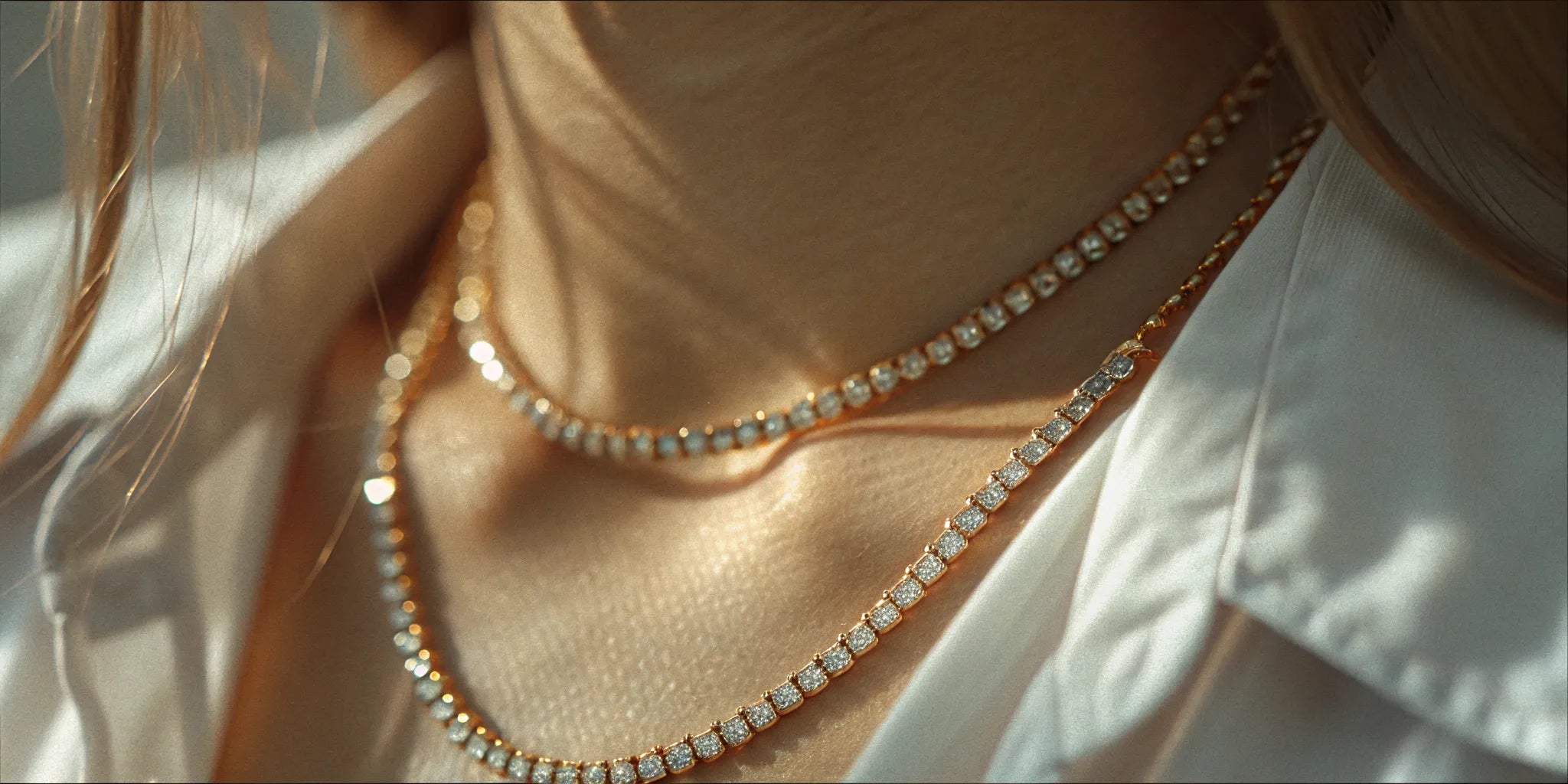
Pay attention to gauge as well as width. A fine chain and a substantial link bracelet may share the same metal, but their different weights create a more interesting rhythm. If you add a diamond tennis bracelet. Let its sparkle remain the focal point by placing a matte bead or polished gold chain next to it, rather than another equally bright piece.
There is no need to make every choice symmetrical. One bracelet can sit slightly apart from the others, or a color detail can appear only once. The goal is not perfect matching. It is a combination that feels deliberate, comfortable, and distinctly your own.

How to Build a Balanced Bracelet Stack for Each Wrist
A balanced stack feels collected rather than crowded. The easiest way to create one is to decide which bracelet should lead, then build around its scale, finish, and movement. This approach gives each piece a role while leaving enough visual space for the stack to feel relaxed and wearable.
- Choose one anchor bracelet, such as a diamond tennis bracelet, bangle, cuff, or slightly thicker chain.
- Add a slimmer bracelet beside it to create contrast in width and texture.
- Introduce a finishing piece that repeats a metal tone, shape, or color detail.
- Wear the stack for a few minutes and adjust anything that catches or pinches.
Start with an anchor, then vary the scale
Choose one anchor bracelet first. A diamond tennis bracelet, substantial bangle, cuff, or slightly thicker chain can establish the foundation. It does not need to be the largest piece in the group, but it should be the one that catches your eye first. Add a slimmer bracelet beside it, then introduce a different texture or width to create contrast.
For example, a diamond tennis bracelet can pair beautifully with a simple gold chain and a small-bead style. The diamonds bring light, the chain adds movement, and the beads soften the composition. If your anchor is a wide cuff, use two delicate bracelets rather than several bold pieces. This keeps the overall scale in proportion to your wrist.
Let asymmetry create an intentional finish
Perfectly matching widths and spacing can sometimes feel more formal than personal. Allowing one bracelet to sit a little apart, or choosing one piece with an unexpected finish, creates a more organic effect. The key is to repeat a detail elsewhere in the stack, such as a gold tone, a gemstone color, or a rounded shape, so the contrast feels purposeful.
Comfort matters as much as appearance. Move your wrist, reach for a bag, and type for a few minutes while wearing the combination. A cuff should not pinch, a chain should not catch, and the overall stack should move naturally with you. If you want a piece tailored around an heirloom or a specific design idea, LUCE's custom design team can help turn a personal reference into a wearable addition.
The final composition does not need to be identical from one day to the next. Keeping the anchor and changing the supporting pieces is an easy way to make a familiar bracelet feel new while preserving the pieces you love most.
Bracelet Stacking with a Watch: How to Pair Them Without Clashing
A watch already brings structure, shine, and visual weight to an outfit. The right bracelet can complement those qualities, while too many competing pieces can make the wrist feel crowded. Treat the watch as part of the composition, then decide whether it should lead or quietly support the rest of the look.
Choose the wrist that feels most balanced
The simplest approach is to wear your bracelet stack on the wrist opposite the watch. This creates visual balance without forcing several pieces into the same small space. A fuller stack on one wrist and a clean watch on the other can feel polished, especially with tailored sleeves or a more minimal outfit.
If you prefer to wear bracelets beside your watch, keep the combination edited. One slim chain, delicate bangle, or small-bead bracelet is often enough. Place the bracelet on the side of the watch that feels most natural when you move. And make sure clasps, edges, and links do not rub against the watch case or band.
Match the mood, metal, and scale
There is no requirement to match every metal exactly. A yellow gold bracelet can look intentional beside a stainless steel watch when you repeat a warm accent elsewhere, such as a gold ring or necklace. If you want a more streamlined result, choose a bracelet with a metal tone that echoes the watch hardware.
Scale is equally important. A substantial watch works well with a medium-weight chain or bangle, while a delicate watch is often best with a fine bracelet. Avoid putting several heavy bracelets beside a slim watch, since the contrast can make both pieces feel less balanced. Let one element lead, then use the other as an accent.
Think about your daily routine, too. If you type, drive, or move through meetings with your watch on, an opposite-wrist stack may be more comfortable. If you prefer a single-wrist look for an evening out, one carefully chosen bracelet beside the watch can feel refined without competing for attention.
Seasonal Bracelet Stack Ideas for Every Occasion
The best stack earns its place in your wardrobe because it can change with the moment. The same foundation might feel polished with a linen shirt in the morning, personal with denim on the weekend, and luminous beside an evening dress. Start with pieces you genuinely enjoy wearing, then adjust texture, color, and scale as the occasion shifts.
| Occasion | Stack character | Idea to try |
|---|---|---|
| Office or workday | Quiet and intentional | Slim gold chain, a delicate bangle, and one small-bead bracelet in matching metals. |
| Weekend or travel | Relaxed and colorful | Warm gold anchor with turquoise, sodalite, or garnet beads for a pop of color. |
| Evening or milestone event | Polished and luminous | Diamond tennis bracelet or colored gemstone as the anchor beside restrained gold. |
From understated workdays to relaxed weekends
For the office, keep the composition quiet and intentional. Pair one slim gold chain with a delicate bangle or a small-bead bracelet. Two or three pieces are enough to create movement without competing with your watch, sleeves, or other jewelry. Matching metal tones creates a streamlined effect, while one contrasting detail, such as a white-gold accent against yellow gold, adds interest without making the stack feel busy.
Weekend dressing gives you more room to play. Try a warm gold anchor with a bracelet in turquoise, sodalite, garnet, or another color that echoes your clothing or accessories. Color coordination does not mean every piece must match. Choose one dominant shade, then let neutral gold, diamonds, or understated beads provide breathing room. A wider cuff or textured chain can make the stack feel more confident for brunch, travel, or an evening outdoors.
When the season changes, edit rather than rebuild. Lightweight beads and slim chains suit warm-weather wardrobes, while richer gemstones and substantial gold can bring depth to fall and winter layers. Keep the overall balance in mind: if one bracelet is colorful or visually strong, let the neighboring pieces support it instead of competing for attention.
Make milestone pieces part of everyday style
An heirloom, anniversary bracelet, or other milestone piece does not need to wait for a special event. Layer it with modern gold to give the stack a current point of view while preserving its meaning. A classic tennis bracelet can sit beside a simple chain, or a sentimental bangle can anchor a group of lighter pieces. The contrast makes the older piece feel at home in your present wardrobe. Turning personal history into a future heirloom you continue to wear and add to over time.
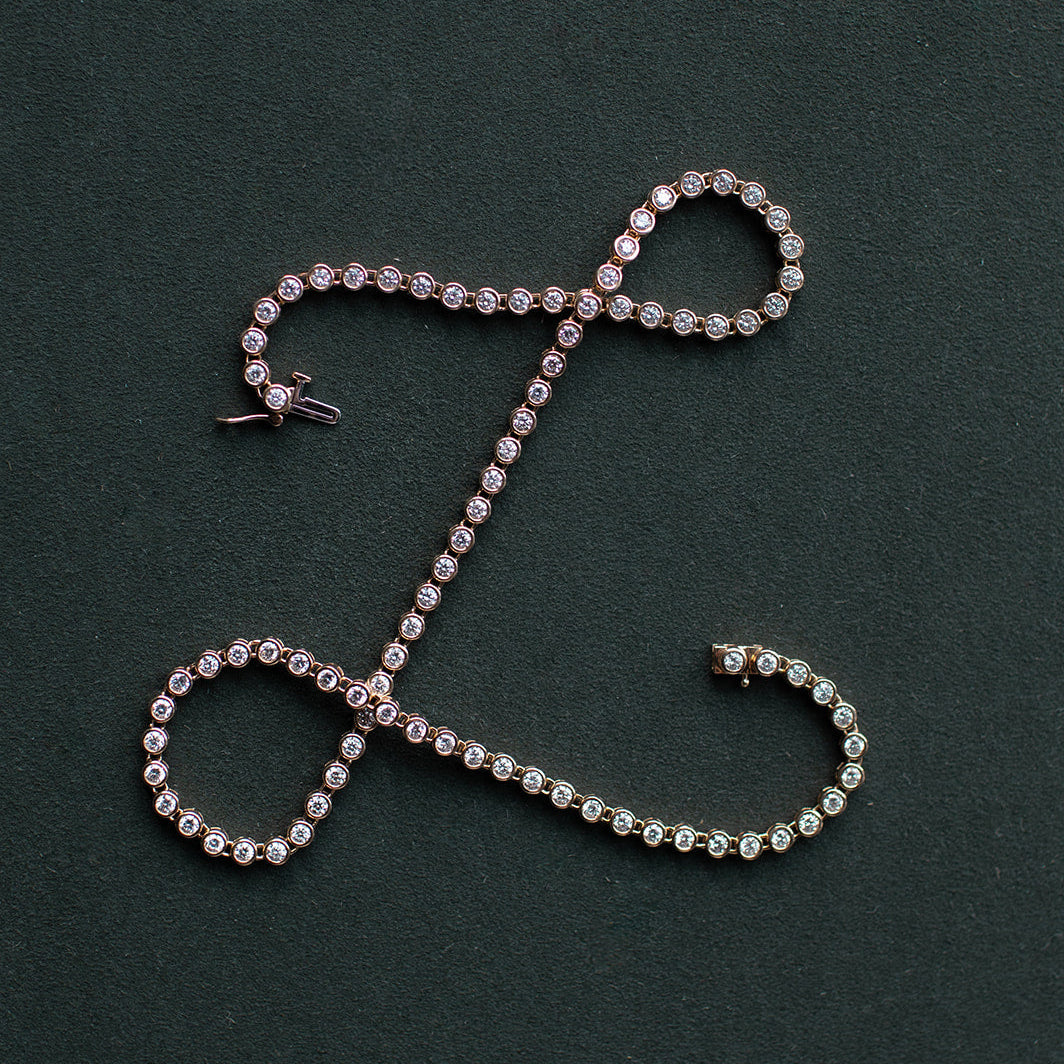
For an evening occasion, let the anchor lead. Pair diamond shine with restrained gold, or use one colored gemstone as the visual note against polished metal. Before leaving, move your wrist naturally and check that clasps and edges feel comfortable. The most elegant stack looks effortless because every piece has a role. Explore LUCE's bezel tennis bracelet and build a stack around your own occasions, style, and story.
Keeping Your Bracelet Stack in Perfect Condition
A well-loved bracelet stack should keep its character without losing its polish. Because multiple pieces move together throughout the day, a simple care routine helps protect the metal, stones, clasps, and finish of each bracelet.
Schedule regular cleaning and clasp checks
Professional cleaning removes the oils, dust, lotion, and everyday residue that can soften the brilliance of diamonds and gold. It also gives a jeweler the opportunity to look closely at each piece rather than treating the stack as one accessory. Clasp checks are particularly useful for bracelets worn often, because a secure closure protects both the bracelet and the rest of the stack.
Consider having frequently worn bracelets checked about twice a year, especially if they include gemstones, fine chains, or stretch construction. If a clasp feels loose, a link catches, or a stone seems less secure than usual, take the piece in before adding it back to your rotation.
Keep this simple care rhythm for a stack that stays beautiful:
- Wipe each bracelet with a clean, soft cloth after wear.
- Have professionally cleaned and clasp-checked about twice a year.
- Store each bracelet separately to prevent tangling and marks.
- Bring in any loose clasp or insecure stone before wearing again.
Store every bracelet separately
At the end of the day, give each bracelet its own space. Individual pouches, soft-lined compartments, or separate cases prevent chains from tangling and reduce unnecessary contact between metals and stones. This is particularly important for diamond tennis bracelets and polished gold pieces, which can show fine surface marks when they rub together in a drawer.
Before storing, wipe each bracelet gently with a clean, soft cloth. Avoid using harsh household cleaners or soaking pieces unless a jeweler has confirmed that the materials and settings can handle it. A little care between wears makes it easier to preserve the details that give your stack its character.
Restore the finish when needed
Fine jewelry is meant to be worn, and small signs of daily life can become part of a piece's story. Still, professional polishing can restore luster to gold and silver bracelets that have developed fine surface scratches. LUCE's repair and restoration services can help you assess a bracelet, refresh its finish, or address a concern before it becomes more serious.
A careful maintenance routine lets you enjoy your stack more often and with greater confidence. The goal is not to keep every bracelet untouched. It is to preserve the craftsmanship and personal meaning that made you choose it in the first place.
Schedule personalized bracelet-stacking styling advice with LUCE and find pieces that suit your collection and wrist.
FAQs About Bracelet Stacking
What is the best way to stack bracelets?
Begin with one anchor piece, such as a diamond tennis bracelet, cuff, bangle, or slightly thicker chain. Add contrasting widths and textures around it, pairing delicate chains with beads, links, or a structured cuff. Three bracelets make an approachable starting point, but the most successful stack reflects your comfort and personal style.
How do you mix metals in a bracelet stack?
Choose one metal as the visual base, then introduce a second metal through a smaller or simpler bracelet. Yellow, white, and rose gold can work together when the proportions feel intentional. Repeating one detail, such as a shared chain shape or diamond accent, helps the combination look curated rather than random.
What are the best types of bracelets for stacking?
Look for a mix of flexible and structured designs. Beaded and chain bracelets add movement, while cuffs, bangles, and tennis bracelets provide shape and polish. Varying widths creates depth. If one bracelet is wide or highly detailed, balance it with slimmer pieces so the stack remains comfortable and visually clear.
Can you wear a bracelet stack on both wrists?
Yes. You can repeat a balanced stack on both wrists, or keep one wrist more minimal for an intentionally asymmetric look. When wearing a watch, place the fuller stack on the opposite wrist or add one understated bracelet beside the watch. Keep the scale of each combination compatible with your clothing and daily routine.
Ready to Build Your Bracelet Stack?
A thoughtfully layered stack can make everyday jewelry feel more personal, whether you prefer delicate chains, colorful beads, or a diamond tennis bracelet as your anchor.
Read LUCE's diamond tennis bracelet guide to choose your anchor, then build the rest of your stack around it.