Your Guide to the Diamond Sapphire Tennis Bracelet
Your jewelry should tell your story. While some pieces are meant to be classic, others are a canvas for your unique taste. A tennis bracelet, with its elegant line of stones, is the perfect place to get creative. Choosing a diamond sapphire tennis bracelet is just the beginning. Will you opt for a classic alternating pattern or a custom design that’s all your own? Do you prefer the bright, cool tone of platinum or the timeless warmth of yellow gold? From the setting style to the perfect fit, every detail helps create a piece that feels completely you.
Key Takeaways
- Focus on quality over sheer size: A truly stunning bracelet gets its sparkle from high-quality stones, not just a high carat weight. Prioritize a diamond's cut, color, and clarity and a sapphire's rich, uniform blue to find a piece with exceptional brilliance.
- Find a design that fits your life: The perfect bracelet is one you'll love to wear every day. Consider how different stone patterns and setting styles match your personal taste and choose a fit that is both comfortable and secure for your wrist.
- Invest in the bracelet and its future care: Protecting your piece for a lifetime starts with choosing a transparent jeweler you trust. Follow up with a simple care routine of at-home cleaning, professional inspections, and proper storage to keep it in beautiful condition.
Why Choose a Diamond and Sapphire Tennis Bracelet?
A diamond and sapphire tennis bracelet is more than just an accessory; it’s a statement of timeless elegance. This classic combination brings together the unmatched sparkle of diamonds with the deep, royal blue of sapphires, creating a piece that’s both striking and incredibly versatile. Whether you're celebrating a milestone or investing in a future heirloom, this bracelet is a perfect choice. It effortlessly transitions from a casual day look to formal evening wear, making it a staple in any fine jewelry collection. Let's explore what makes this pairing so special.
Why This Classic Duo Never Goes Out of Style
When you’re choosing a piece for everyday luxury, durability is key. Diamonds and sapphires are two of the hardest gemstones on earth, making them ideal for a bracelet you’ll want to wear constantly. Diamonds famously score a perfect 10 on the Mohs scale of hardness, while sapphires are right behind them with a solid 9. This means both stones are exceptionally resistant to scratching and chipping, ensuring your bracelet remains beautiful for years to come. This resilience is why they are so often chosen for significant pieces like engagement rings and heirloom jewelry meant to be passed down through generations.
What Defines a Tennis Bracelet?
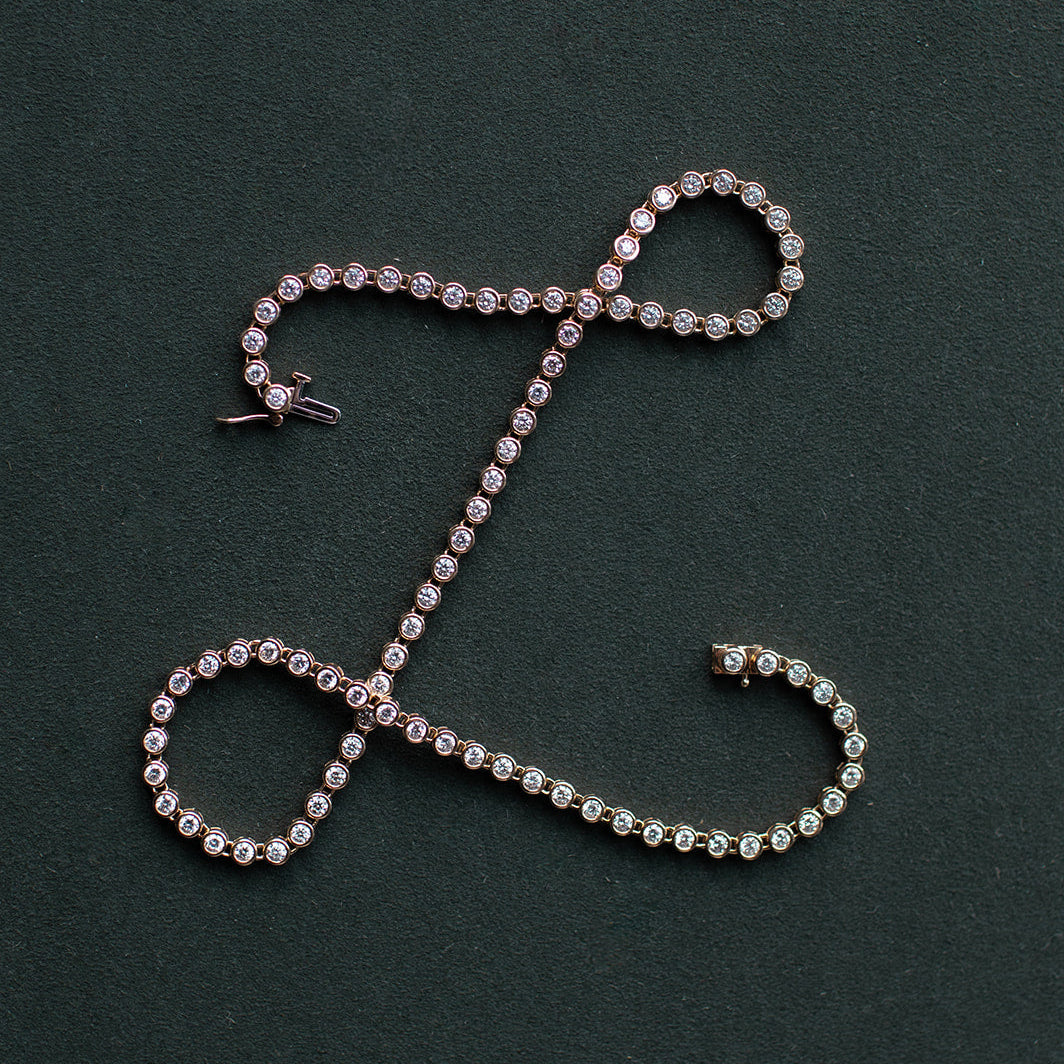
So, what exactly makes a bracelet a "tennis bracelet"? The design follows a specific blueprint: a single, continuous line of gemstones set in a flexible chain. Unlike rigid bangles or cuffs, a tennis bracelet is designed to move with you, offering comfort and a seamless circle of brilliance around your wrist. While the classic style features all diamonds, incorporating sapphires adds a beautiful pop of color and personality. This elegant and understated design is what gives the tennis bracelet its signature look, making it a sophisticated and highly sought-after piece among all other bracelets.
The Story Behind the Name: From Line Bracelet to Tennis Bracelet
It’s a great story, and it’s completely true. Before it earned its sporty nickname, this style was known as a "line bracelet"—a classic design popular since the 1920s. The name changed forever during the 1987 U.S. Open, thanks to tennis champion Chris Evert. In the middle of an intense match, the clasp on her diamond line bracelet snapped, and it flew off her wrist. She famously asked the officials to pause the game until her precious piece could be found. The televised search captured everyone's attention, and from that day forward, the "line bracelet" was affectionately rebranded as the "tennis bracelet," cementing its place in both sports and fashion history.
The Unique Charm of a Diamond and Sapphire Bracelet
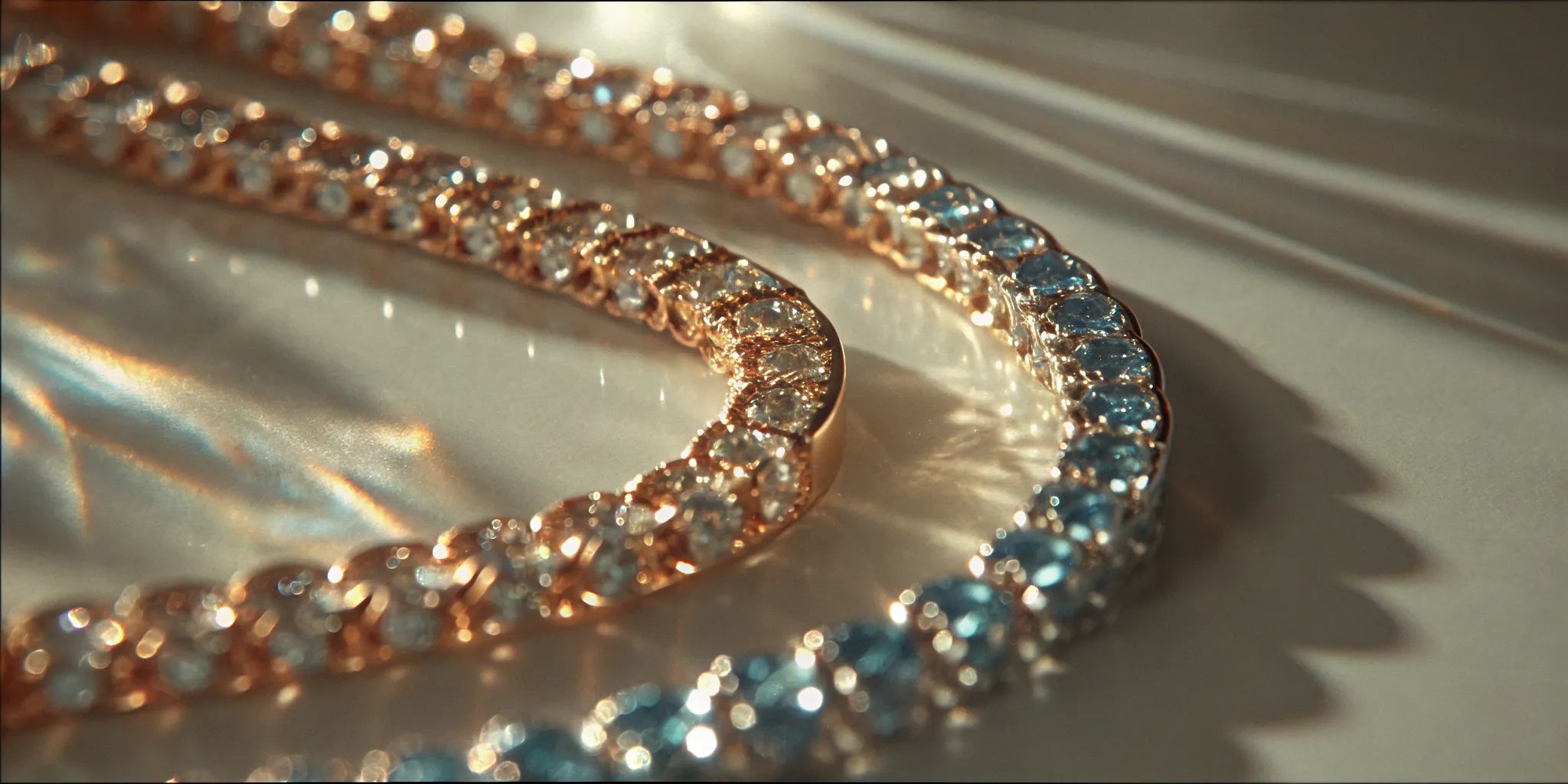
There’s a reason why diamonds and sapphires are so frequently paired together in fine jewelry. The contrast is simply stunning. With brilliant, deep blue sapphires set alongside glowing diamonds, the bracelet is full of unique color and serenity. The clear, fiery sparkle of the diamonds enhances the rich, velvety blue of the sapphires, creating a dynamic and eye-catching effect. This combination feels both regal and modern, perfect for anyone who appreciates classic style with a distinctive touch. You can even work with a jeweler to create a custom design that alternates the stones in a pattern that’s uniquely yours.
What Makes a Bracelet High-Quality?
A beautiful bracelet is more than just the sum of its parts, but understanding those parts is the key to choosing a piece you’ll cherish for a lifetime. The quality of the gemstones, the choice of metal, and the skill of the jeweler all play a huge role in the final look and feel of your tennis bracelet. When you know what to look for, you can feel confident in your investment and find a piece that truly reflects your style. Let’s break down the essential elements of a well-made diamond and sapphire bracelet.
Breaking Down the 4 Cs of Diamond Quality
When it comes to diamonds, it’s easy to focus on size, but the real beauty lies in the details. To assess a diamond’s quality, jewelers use the Four Cs: cut, color, clarity, and carat weight. The cut determines how well the diamond reflects light, giving it that signature sparkle. Color is graded on a scale from colorless to light yellow, while clarity refers to the absence of internal or external blemishes. Carat is simply the diamond’s weight. A well-balanced combination of these four factors creates a truly stunning stone, and understanding them helps you appreciate the artistry in each of our diamond rings and bracelets.
What to Look for in a Blue Sapphire
Sapphires are a fantastic choice for a piece you plan to wear often. They are incredibly durable, ranking a 9 on the Mohs scale of hardness, just one step below diamonds. This resilience makes them perfect for the flexible design of a tennis bracelet. When selecting a sapphire, the most important factor is its color. Look for a rich, velvety, and uniform blue. While sapphires can have inclusions (tiny internal features), a high-quality stone will be "eye-clean," meaning you can't see any flaws without magnification. The combination of deep color and excellent clarity gives a sapphire its captivating depth and brilliance.
Which Metal Is Best for Your Bracelet?
The metal you choose for your bracelet sets the stage for the gemstones and defines the piece's overall character. Platinum and white gold are the most popular choices for diamond and sapphire tennis bracelets. Platinum is a naturally white, dense, and highly durable metal that requires minimal upkeep, making it an excellent long-term investment. White gold offers a similar bright, silvery look but is typically plated with rhodium to enhance its color. This plating may need to be reapplied every few years to maintain its luster. Both are beautiful options, so the right choice often comes down to your lifestyle and budget.
Don't Overlook the Setting and Construction
The way the stones are set is crucial to a tennis bracelet’s signature design. Each diamond and sapphire is typically held in an individual four-prong or bezel setting, linked together to create a fluid and flexible line of brilliance. This construction allows the bracelet to move comfortably with your wrist while ensuring every stone catches the light. A well-constructed bracelet will feel secure, with each gemstone held firmly in place. The alternating pattern of diamonds and sapphires creates a beautiful rhythm and visual interest, but you can always explore custom designs to create a pattern that’s uniquely yours.
The Importance of a Secure Clasp
It’s easy to get lost in the sparkle of the diamonds and sapphires, but the clasp is one of the most important parts of your bracelet. Think of it as the gatekeeper for your investment. A high-quality clasp ensures your bracelet stays securely on your wrist, giving you peace of mind as you go about your day. The right clasp should also be easy for you to open and close on your own—after all, a bracelet you can’t put on by yourself is one you’re less likely to wear. A well-engineered clasp is a hallmark of quality construction. It should click securely into place and often includes a safety catch for extra protection. If your clasp ever feels loose, it's a good idea to bring it in for a professional inspection to keep your beautiful piece safe.
How Much Does a Diamond and Sapphire Tennis Bracelet Cost?
Figuring out the price of a diamond and sapphire tennis bracelet can feel a bit like a mystery, but it doesn’t have to be. The cost can range widely, from around $2,500 to well into the six figures, with most people finding their perfect piece somewhere in the middle. This variation isn't random; it’s tied directly to the quality of the materials and the skill that goes into making the bracelet. A piece designed to become a future heirloom has a different story to tell than a mass-produced item, and that story is reflected in its price.
Understanding what drives the cost will empower you to find a beautiful bracelet that feels right for you and your budget. It’s not just about the size of the stones, but about their brilliance, the metal that holds them, and the fine details of the construction. When you know what to look for, you can confidently choose a piece that you'll love for years to come. From the sparkle of the diamonds to the deep blue of the sapphires, every element plays a role. Let's break down the key factors that influence the final cost so you can make an informed decision.
How Quality Affects Price
The quality of the diamonds and sapphires is the biggest factor in a tennis bracelet's price. For diamonds, this comes down to the Four Cs: cut, color, clarity, and carat weight. A bracelet with exceptionally well-cut diamonds will sparkle more brilliantly than one with larger, poorly cut stones. Most tennis bracelets feature a total diamond weight between three and five carats, but how those carats are expressed in quality makes all the difference. Similarly, the vibrancy and clarity of the sapphires play a huge role. A piece with deep blue, clear sapphires and dazzling diamonds is a testament to fine craftsmanship and will be priced accordingly.
Natural vs. Lab-Grown: What's the Difference in Cost?
The origin of your gemstones also significantly impacts the price. Natural diamonds and sapphires, formed deep within the earth over millions of years, carry a higher price tag due to their rarity. On the other hand, lab-grown stones, which have the same physical and chemical properties as their natural counterparts, offer a more accessible price point. Choosing lab-grown diamonds can often result in savings of 40% to 70%. This choice allows you to get a larger or higher-quality stone for your budget, and it aligns with modern sustainable practices that many people value. It’s a personal decision that lets you prioritize what matters most to you.
The Biggest Factors Affecting Cost
Beyond the stones themselves, several other elements contribute to the overall cost. The total carat weight of all the gems is a primary driver, but the type of metal used for the setting is just as important. Platinum and 18k gold are premium choices that add to the price, while 14k gold is a popular and durable option. The complexity of the setting and the overall craftsmanship also play a part. A well-made bracelet will have secure settings that protect each stone and a clasp that ensures it stays safely on your wrist. These are the details that transform a simple string of gems into a lasting piece of fine jewelry.
Common Pricing Myths to Avoid
One common myth is that total carat weight is the only thing you need to look at. While important, it doesn't tell the whole story. A tennis bracelet's unique charm comes from the consistent sparkle of many smaller stones working together. Unlike a single-stone ring, a tennis bracelet spreads its carat weight along its entire length, creating a continuous line of brilliance. Don't get too focused on one "C" over the others. A balanced approach, considering the cut, color, and clarity of the stones alongside the carat weight, will lead you to a much more beautiful and valuable piece in the long run.
Real vs. Imitation: Verifying Your Bracelet's Authenticity
When you invest in a piece of fine jewelry, you deserve the confidence that comes with knowing it’s genuine. A diamond and sapphire tennis bracelet is meant to be a lasting treasure, so confirming its authenticity is an essential step. While it can feel intimidating, there are several straightforward clues you can look for that separate a true heirloom from a convincing imitation. Paying attention to the weight, markings, and overall construction will help you feel secure in your choice and ensure your bracelet is a genuine reflection of quality craftsmanship.
Spotting Imitation Jewelry
One of the first things you might notice about imitation jewelry is its weight. Genuine pieces made from solid gold or platinum have a satisfying heft, while fakes often feel surprisingly light due to the use of cheaper, less dense metals or hollow construction. Another simple at-home check is the magnet test. Precious metals like gold and silver are not magnetic, so if a magnet sticks to your bracelet, it’s a clear sign that it's made from a base metal. Plated jewelry can also be deceptive at first, but over time, the thin top layer will wear away, revealing a different colored metal underneath and confirming it isn't a solid piece of fine jewelry.
How to Confirm Authenticity
One of the most reliable ways to confirm authenticity is to look for the hallmarks. Genuine jewelry is almost always stamped with small engravings that indicate the metal's purity, such as “750” for 18k gold or “950” for platinum. You can usually find these on the clasp. Beyond the metal, pay close attention to the bracelet's construction. A high-quality piece will feel sturdy, with each gemstone held securely in its setting. If the bracelet feels flimsy or the stones are loose, it could be a mass-produced replica. Ultimately, the best way to ensure your jewelry is authentic is to purchase from a trusted jeweler who is transparent about their materials and craftsmanship, which is a core part of our promise at Luce.
Choosing a Bracelet You'll Wear Forever
A piece of fine jewelry should feel like an extension of you. A diamond and sapphire tennis bracelet is incredibly versatile, but the right one will match your personal style and daily routine. Think about what you want your bracelet to say. Are you looking for a classic, understated piece or something with a bit more personality? Considering the pattern, setting, and fit will help you find a bracelet you’ll love to wear every day, not just on special occasions. It’s about finding that perfect piece that feels like it was made just for you.
Alternating or Single-Stone: Which Pattern Is for You?
One of the first style choices you’ll make is the pattern of the stones. A single-stone design, featuring a continuous line of either diamonds or sapphires, offers a timeless, uniform look. It’s a classic for a reason. An alternating pattern, on the other hand, places a diamond next to a sapphire, creating a beautiful rhythm of color and sparkle. This style adds a unique flair and visual interest, making the bracelet a true statement piece. Your choice really comes down to personal preference and the other bracelets in your collection. Do you prefer a cohesive look or a dynamic contrast?
How to Choose a Setting Style You'll Love
The setting is what holds your precious stones in place, so it affects both the look and the security of your bracelet. The most common style is the prong setting, where small metal claws grip each stone. This setting allows the maximum amount of light to enter the gems, creating incredible brilliance. Another popular option is the bezel setting, which encircles the stone with a thin metal rim. This provides excellent protection for the stones, making it a great choice for an active lifestyle. When you create a custom design, you can select the perfect setting to match your aesthetic and daily needs.
Exploring Popular Diamond Shapes
The shape of the diamonds in your bracelet is another wonderful way to infuse your personality into the design. While the round cut is a timeless classic, exploring different shapes can completely change the character of the piece, shifting it from traditional to modern or from brilliant to elegantly understated. Each shape interacts with light differently, offering a unique kind of beauty that can perfectly match your personal style. Let's look at a few of the most popular choices.
Round Cut
The round cut is the most popular and classic shape for a reason. It’s engineered to sparkle, with 58 facets that reflect light for maximum brilliance. If you’re looking for that quintessential, fiery diamond sparkle, the round cut is an unbeatable choice. This shape creates a timeless and elegant look that feels both traditional and eternally stylish. Its versatility makes it a perfect fit for any setting, whether you’re pairing it with sapphires in an alternating pattern or letting the diamonds shine on their own. It’s the go-to for a piece that will never go out of style, much like our other classic bracelets.
Princess Cut
For a more modern and geometric feel, the princess cut is a fantastic option. This square shape features sharp, clean lines that look incredibly chic and contemporary. Because of its straight edges, princess cut diamonds can be set side-by-side with almost no gap, creating a seamless, uninterrupted line of brilliance on your wrist. This cut can also make the diamonds appear larger than their carat weight, offering a bold look. It’s a perfect choice if your style leans modern and you want a bracelet with a strong, architectural presence, and it's a great starting point when you want to create a custom piece.
Emerald Cut
The emerald cut offers a completely different kind of beauty. Instead of the fiery sparkle of a round or princess cut, this rectangular shape with its long, step-like facets creates a "hall of mirrors" effect. It emphasizes the diamond's clarity and produces elegant flashes of light. This cut has a sophisticated, almost vintage glamour that feels incredibly refined. If you appreciate understated luxury and the pure, icy beauty of a clear diamond, the emerald cut is a stunning choice. It speaks to a confident style that values elegance over overt brilliance, a quality you'll find in many of our fine necklaces as well.
Modern Styles and Customization Trends
Your jewelry should tell your story, and there’s no better way to do that than with a piece designed just for you. Modern trends are all about personalization, moving beyond standard designs to create something truly unique. You can mix different diamond shapes, like pairing the sparkle of round cuts with the sleek lines of emerald cuts, or create a custom pattern that alternates diamonds and sapphires in a way that’s meaningful to you. Some people choose to play with scale, designing a bracelet where the center stones are larger or that graduates in size. The possibilities are endless when you work with a jeweler to create a custom design, turning a beautiful bracelet into a future heirloom that is entirely your own.
How to Find the Perfect Fit
A tennis bracelet should fit just right. It should be loose enough to move gracefully on your wrist but not so loose that it could snag or fall off. A good rule of thumb is that you should be able to fit one finger comfortably between the bracelet and your wrist. While many bracelets come in a standard seven-inch length, getting the perfect fit is key to both comfort and security. You can easily measure your wrist with a soft tape measure to find your ideal size. If a piece isn't quite right, a trusted jeweler can often make adjustments or repairs to ensure a flawless fit.
Styling Your Bracelet for Any Occasion
The beauty of a diamond and sapphire tennis bracelet is its incredible versatility. It’s a piece that truly works for any occasion. You can wear it with a casual outfit to add a touch of everyday luxury, or you can pair it with an elegant gown for a formal event. It looks stunning on its own or stacked with other favorite bracelets. For a cohesive look, try matching it with simple diamond or sapphire earrings. This timeless piece even complements both modern and traditional bridal gowns, adding a touch of classic elegance to your special day.
Wearing with a Watch
Absolutely, you can pair your tennis bracelet with a watch. It’s a great way to create a stylish, layered look on your wrist. The key is to prevent scratching. To keep both pieces pristine, simply wear your bracelet above your watch, closer to your elbow. This little adjustment makes a big difference. Fit is also crucial here. Your bracelet should have just enough room for you to slide one finger between it and your skin. If it’s too loose, it might get tangled with your watch, and if it’s too tight, it won’t have that beautiful, fluid movement that makes tennis bracelets so special. Getting the placement and fit right ensures both your watch and your bracelet can shine.
A Note on Men's Tennis Bracelets
Tennis bracelets aren't just for women. More and more, men are embracing this classic design as a staple of modern style. It’s a sophisticated way to add a touch of brilliance to any look, from casual to formal. Men often gravitate toward designs with slightly larger diamonds or more robust settings in cool-toned metals like platinum or white gold. This creates a look that feels both substantial and refined. A tennis bracelet is a versatile piece that makes a confident statement, and it’s a fantastic addition to any collection of men's jewelry, perfect for marking a special occasion or simply investing in your personal style.
How to Choose a Jeweler You Can Trust
Finding the perfect diamond and sapphire tennis bracelet is only half the story. The other half is finding a jeweler you can trust. The right partner provides transparency about quality, origins, and long-term care, helping you select a piece you'll love for a lifetime. This relationship is built on expertise and a genuine desire to help you create a future heirloom. A great jeweler is an open book, ready to answer your questions and make you feel confident about your purchase.
What to Look for in a Reputable Jeweler
A reputable jeweler does more than just sell you a bracelet; they educate you. For instance, they’ll tell you that a white gold tennis bracelet needs maintenance to maintain its color, while platinum requires less upkeep over time. They focus on details that matter for longevity, not just carat weight. A trustworthy expert will also explain the specific structure of a tennis bracelet: a single, flexible line of stones. This ensures you know exactly what you're buying and shows they are invested in your satisfaction.
How to Confirm Your Stones Are Ethically Sourced
Knowing where your diamonds and sapphires come from is essential. A transparent jeweler will be upfront about their sourcing practices and happy to discuss your options. This includes offering both natural and lab-grown stones, allowing you to make a choice that aligns with your values and budget. At Luce, we are committed to sustainable practices and believe that luxury shouldn't come at a social or environmental cost. Your jeweler should provide clear information so you can feel good about the beautiful piece on your wrist.
Always Check the Warranty and Return Policy
Before you make a final decision, always ask about the jeweler's policies. A solid warranty is a sign that the jeweler stands behind their craftsmanship. It should cover potential manufacturing defects and offer peace of mind. It's also a good idea to see if they provide ongoing services, like professional cleaning, inspections, and repairs, to keep your bracelet in perfect condition. A clear and fair return policy is just as important, giving you the confidence to purchase knowing you have options.
Understanding Service Costs and Appraisals
Beyond the initial purchase, owning a piece of fine jewelry involves thinking about its future. This is where understanding appraisals and service costs comes in. An appraisal is an official document that states your bracelet's value, which is incredibly helpful for getting it insured. It confirms the quality of the diamonds and sapphires and the metal used, giving you a clear record of your investment. A trusted jeweler can provide this document, often for a small fee. It’s also wise to factor in the potential costs of long-term care, such as professional cleanings or future repairs, to keep your bracelet looking its best. These services ensure your piece remains a beautiful heirloom for years to come.
How to Care for Your Diamond and Sapphire Bracelet
A diamond and sapphire tennis bracelet is more than just an accessory; it’s a piece you’ll want to wear for years and maybe even pass down one day. To keep it looking as brilliant as the day you got it, a little care goes a long way. Think of it as a simple routine that protects your investment and preserves its sparkle. Taking care of your bracelet isn’t complicated, but it does require some intention.
From daily habits to long-term maintenance, knowing how to handle your jewelry makes all the difference. We’ll cover the essentials: how to clean it safely at home, why professional check-ups are so important, what your bracelet’s metal needs to stay strong, and the best way to store it when you’re not wearing it. These simple steps will ensure your bracelet remains a stunning part of your collection for a lifetime.
Simple Tips for Daily Care and Cleaning
To keep your bracelet sparkling, clean it regularly to remove everyday buildup from lotions, oils, and dust. A simple and effective method is to use a soft, lint-free cloth to gently wipe it down after wearing. For a deeper clean at home, you can use a bowl of warm water with a few drops of mild dish soap. Let the bracelet soak for a few minutes, then use a soft-bristled baby toothbrush to gently scrub behind the stones and around the settings. Rinse it with clean water and pat it dry. Avoid using harsh chemicals like bleach or ammonia, as they can damage the metal and dull the gemstones over time.
When to Take Your Bracelet Off
The best way to keep your bracelet safe is to know when to take it off. While it’s made from durable materials, it’s still a piece of fine jewelry that deserves protection. Make it a habit to remove your bracelet before activities like exercising, swimming, showering, or doing household chores. This simple step prevents it from getting scratched or damaged and keeps it away from harsh chemicals found in soaps, lotions, and cleaning products, which can harm the metal and dull the stones. Think of it as a proactive part of your care routine. By taking it off during these moments, you’re ensuring its brilliance and structural integrity for years, minimizing the need for future repairs and preserving its heirloom quality.
When to Get a Professional Inspection
While at-home cleaning is great for maintaining shine, I recommend taking your bracelet to a professional jeweler for an inspection at least once a year. A jeweler can give it a thorough, safe cleaning and, more importantly, check the integrity of the settings. They’ll examine each prong to make sure your diamonds and sapphires are secure and look for any signs of wear on the clasp or links. Catching a loose stone or a worn-out prong early can prevent a much bigger issue later. Think of it as preventative care for a piece you cherish. If you notice any issues, our expert jewelry repair services can restore your bracelet to perfect condition.
How to Care for Different Metals
The metal of your bracelet plays a big role in its care routine. Platinum is incredibly durable and requires the least amount of upkeep, though it can develop a soft, matte finish, or patina, over time which many people love. Yellow gold is a classic choice that is relatively low-maintenance but can be prone to scratches. White gold is typically plated with rhodium for a bright, silvery-white finish. This plating can wear away over time, so you may need to have it replated every few years to maintain its color. Understanding your metal’s specific needs helps you keep your bracelet looking its best and can inform your choices for future custom designs.
The Right Way to Store Your Bracelet
How you store your bracelet is just as important as how you clean it. When you’re not wearing it, keep it in a soft pouch or a fabric-lined jewelry box with separate compartments. This prevents it from getting scratched by other pieces in your collection. Diamonds and sapphires are extremely hard and can easily scratch other gemstones and metals, so giving your bracelet its own space is key. Proper storage also helps prevent the delicate chain from kinking or tangling, ensuring it’s always ready to wear. Taking a moment to store it correctly will significantly extend the life and beauty of your favorite bracelets.
Related Articles
Frequently Asked Questions
Is a diamond and sapphire tennis bracelet durable enough for me to wear every day? Absolutely. Diamonds and sapphires are two of the toughest gemstones available, making them perfect for daily wear. Their exceptional hardness means they resist scratches and chips from everyday activities. The key is to choose a well-made bracelet with secure settings, which will ensure your stones stay put while you go about your life.
What's the real difference between natural and lab-grown stones for my bracelet? Visually and chemically, there is no difference; a lab-grown diamond or sapphire is identical to a natural one. The main distinction is their origin and price. Natural stones are mined from the earth and are rarer, which gives them a higher price point. Lab-grown stones are created in a controlled environment, making them a more accessible and sustainable option that often allows you to get a larger stone for your budget.
How do I choose the right metal for my lifestyle? Think about your daily routine and budget. Platinum is a fantastic choice if you want maximum durability and minimal upkeep, as its naturally white color won't fade. White gold offers a similar bright look at a more moderate price, but it may need to be replated every few years to maintain its finish. Both are beautiful and strong, so it really comes down to personal preference and how much maintenance you're comfortable with.
Can I create a custom diamond and sapphire tennis bracelet? Yes, and it's a wonderful way to get a piece that's truly yours. You can work directly with a jeweler to select the specific pattern of the stones, choose the setting style that best protects them, and pick the perfect metal. This process allows you to create a bracelet that perfectly matches your personal style and is crafted to your exact specifications.
How can I make sure my bracelet fits perfectly? The ideal fit is snug enough that it won't fall off but loose enough for comfort and movement. A good test is to see if you can slide one finger between the bracelet and your wrist. Most jewelers can adjust the length for a perfect fit, so don't hesitate to ask. You can measure your wrist with a flexible tape measure beforehand to get a good starting point.