Diamond Tennis Bracelet Guide for 2026
A diamond tennis bracelet earns its sparkle by fitting into real life. Its lasting value comes from the details you choose before it reaches your wrist.
A diamond tennis bracelet is a flexible band with a balanced line of individually set diamonds that brings quiet brilliance to everyday wear. The right bracelet pairs consistent sparkle with secure construction, a comfortable fit, solid precious metal, and a setting that suits your personal style. Compare total carat weight, diamond quality, metal, setting style, clasp security, flexibility, and craftsmanship, rather than choosing by size or sparkle alone. Diamonds rank 10 on the Mohs scale, but that hardness does not protect the metal links and settings around them. Thoughtful care and regular professional checks help protect the clasp, settings, and future-heirloom quality of the finished bracelet.
Choosing well means finding the balance between beauty, comfort, and confidence on the wrist. Before comparing metals, settings, and care, answer the essential first question: What is a diamond tennis bracelet? The path to your ideal piece begins with a clear definition.
What is a diamond tennis bracelet?
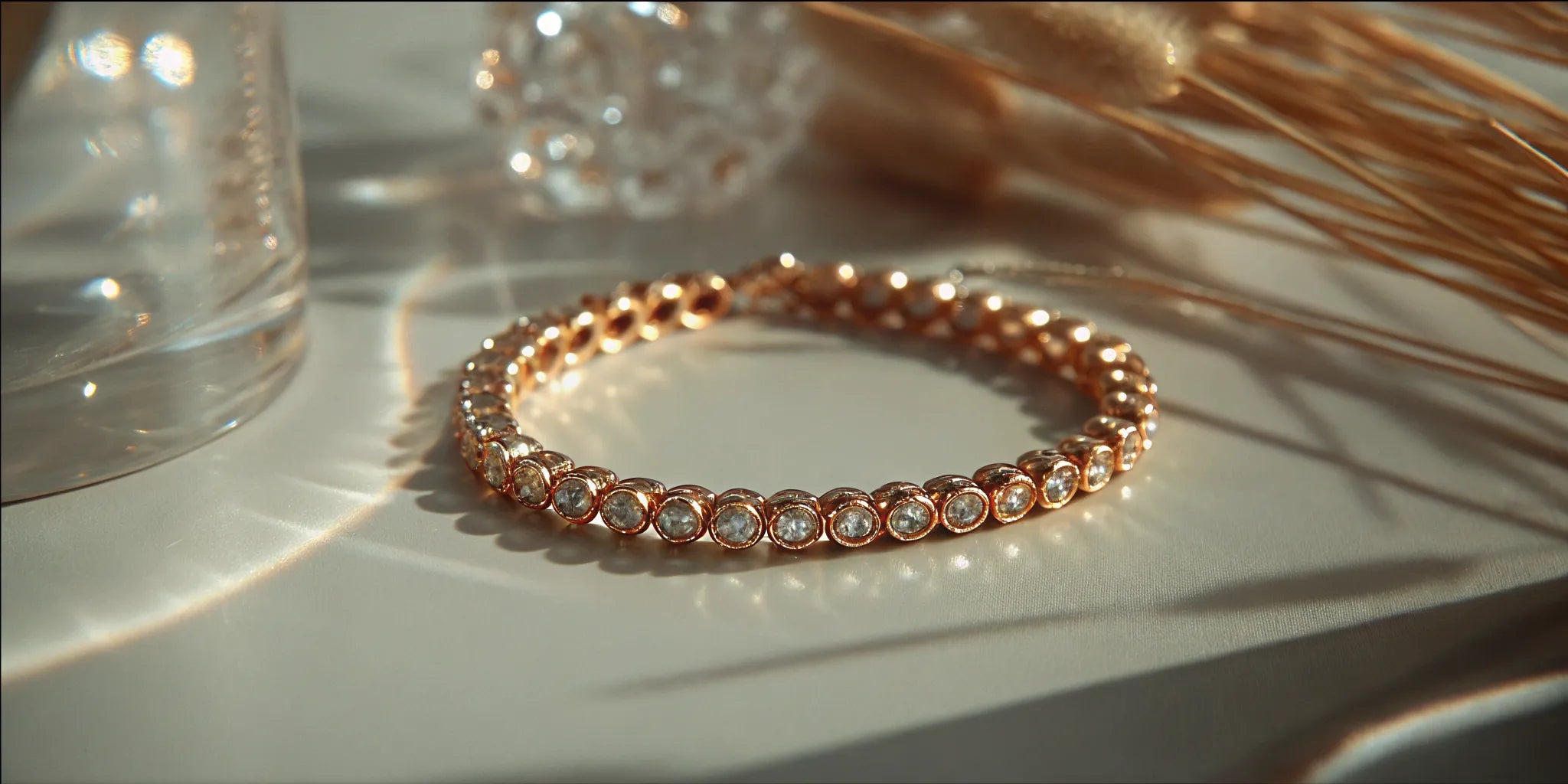
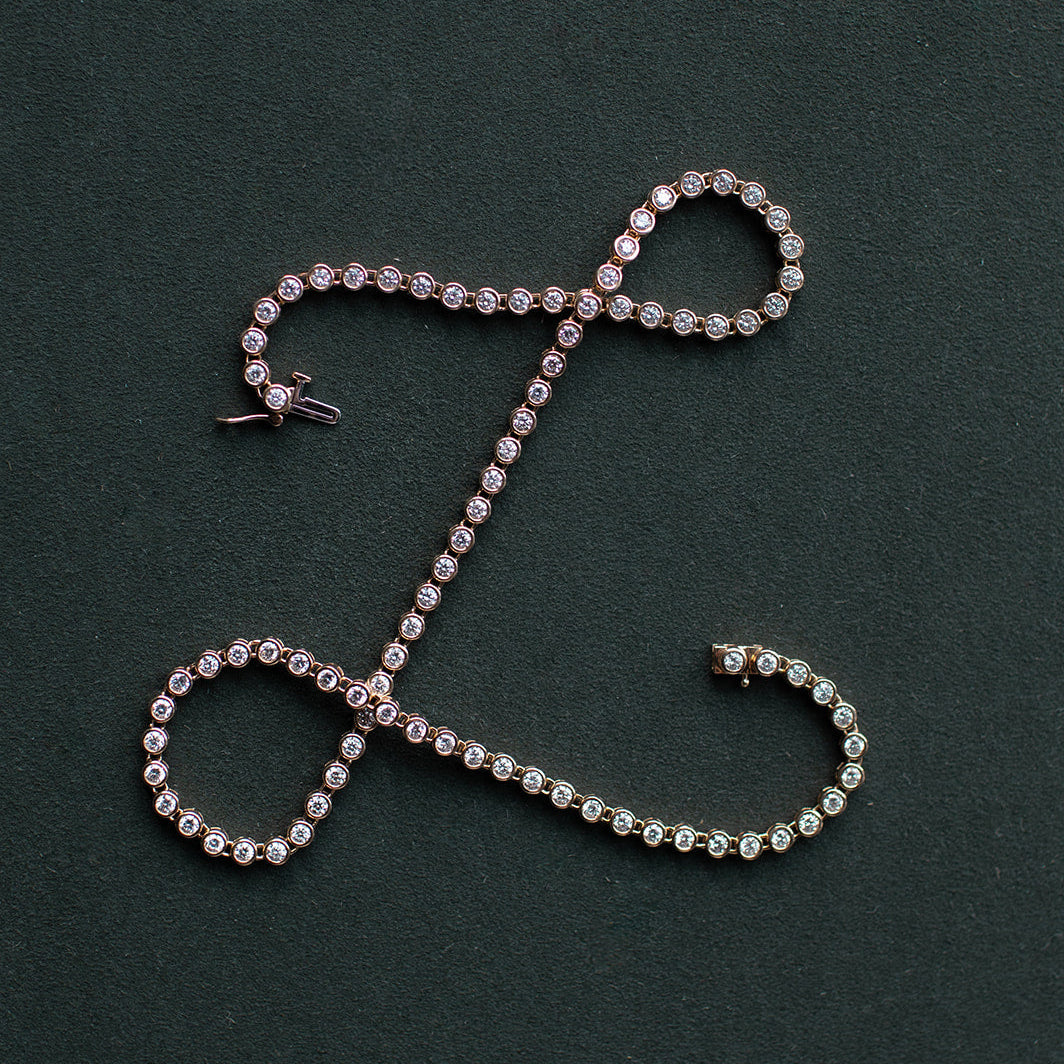
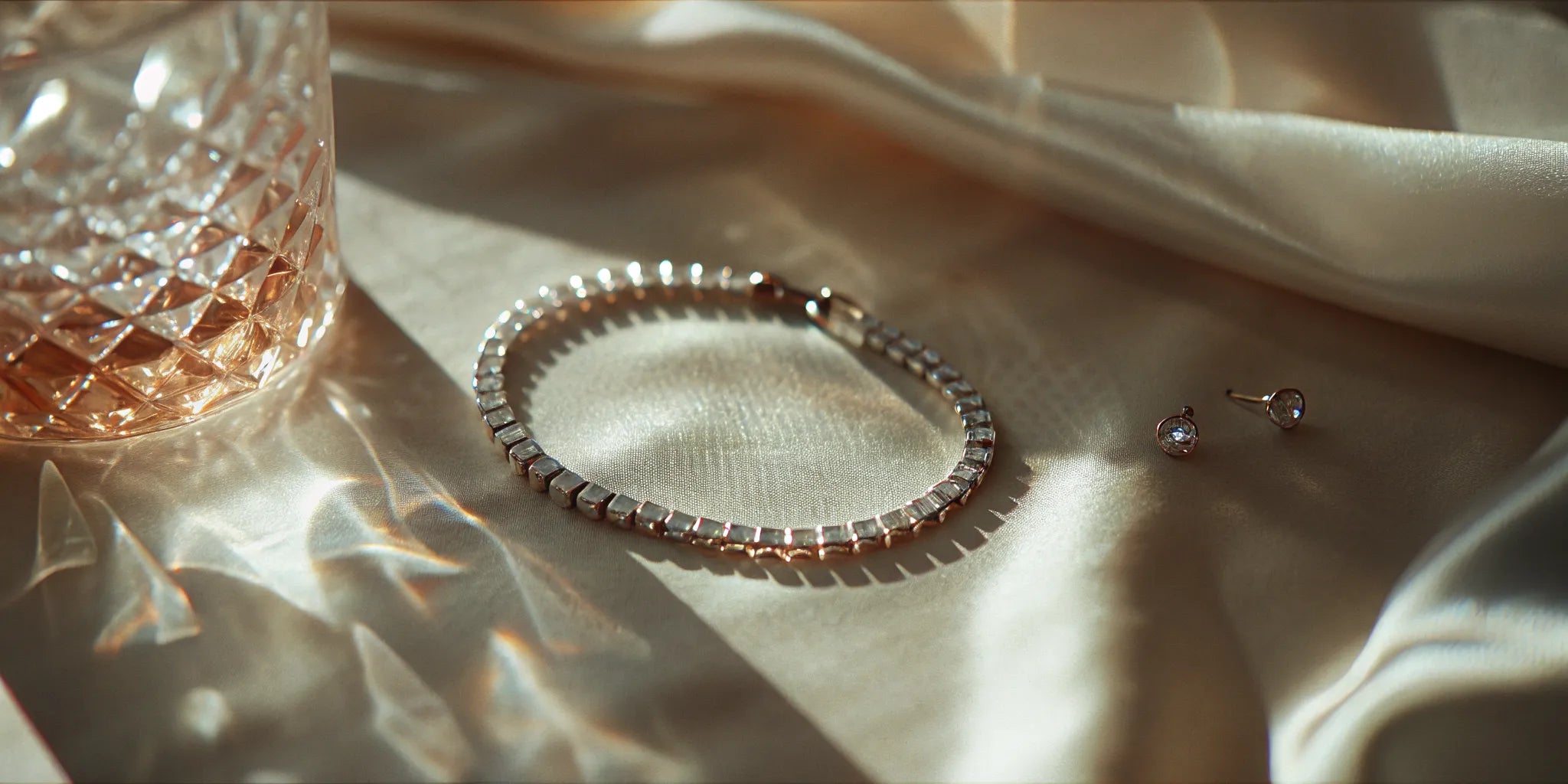
A diamond tennis bracelet is a flexible bracelet with a balanced line of individually set diamonds. The stones continue around the wrist, creating an even ribbon of light rather than one central focal point. Its linked construction lets the bracelet move with the wearer while keeping the diamonds neatly aligned. That simple definition covers many designs, from subtle rows to bold statement pieces.
A continuous line of diamonds
The classic design uses diamonds of a similar size and shape for a smooth, matched look. Each stone sits in its own setting, and small links connect those settings into a flexible row. This repeated pattern gives a diamond tennis bracelet its clear, easy-to-recognize form.
Details can shift without changing the core idea. A bracelet may use prong or bezel settings, mix stone shapes, or pair diamonds with other fine materials. The defining features remain a flexible structure, a steady diamond pattern, and a design that wraps around the wrist. Even small changes in setting style can give the same basic form a crisp or soft character.
Everyday luxury with an easy rhythm
A tennis bracelet feels polished, but its low, fluid profile also works with daily clothing. It can sit alone as a quiet line of shine or join a watch and other bracelets. This balance makes it a natural example of an everyday luxury diamond tennis bracelet. The design adds light without asking the rest of an outfit to match its mood.
Diamonds suit a piece designed for frequent wear, but strength does not remove the need for care. The Gemological Institute of America explains that diamond durability includes hardness, toughness, and stability. Settings, links, and clasps also deserve attention because they help keep each stone secure.
A modern future heirloom
A future heirloom is not defined by age alone. It starts as a well-made piece that feels personal enough to wear now and meaningful enough to keep. The simple line of a tennis bracelet supports that idea. It can move between casual days, celebrations, and changing personal styles.
Construction and ongoing care help the bracelet stay part of a jewelry collection for years. A secure clasp, smooth links, and sound settings all matter alongside the diamonds themselves. If an older piece needs a new direction, designing a future heirloom bracelet can preserve its meaning in a form suited to today.
How to choose a diamond tennis bracelet that lasts
A lasting diamond tennis bracelet balances beauty with sound construction. Look beyond sparkle and consider how the diamonds, metal, links, setting, clasp, and fit work together. Your lifestyle and budget should guide each choice.
Diamond and metal choices
Start by comparing diamond quality and total carat weight, rather than carat weight alone. Well-matched diamonds create an even line of light across the wrist. Check that their color, clarity, cut, and size look consistent from one end to the other.
Diamonds resist scratches well, but that doesn't make a bracelet immune to damage. The GIA explains diamond durability through hardness, toughness, and stability. A strong setting and flexible links still matter because they hold and protect each stone.
Choose solid gold or platinum instead of plated metal for a piece meant to last. Solid precious metal can better support regular wear and future service. Metal color is personal, but its strength, weight, and finish should suit how often you'll wear the bracelet.
Construction, fit, and daily wear
Use this sequence to compare bracelets with care:
Set your priorities. Decide whether you want a subtle daily piece or a bolder bracelet for select occasions. This helps narrow carat weight, metal, and budget.
Inspect the diamonds. View the full bracelet in even light. Look for a balanced match, steady sparkle, and no stone that distracts from the line.
Check the setting and links. Prong settings show more diamond, while bezel settings wrap each stone with metal. Both should feel smooth, secure, and flexible without loose gaps.
Test the clasp. Open and close it several times. A secure main clasp plus a safety feature adds protection during daily movement.
Confirm the fit. The bracelet should move with your wrist without sliding over your hand. Make sure it doesn't pinch, twist often, or catch on clothing.
Think about work, travel, exercise, and the jewelry you already wear. A lower-profile setting may suit an active routine, while a larger design makes a stronger statement. Trying options in person can also clarify comfort and scale.
Budget and long-term care
Set a budget for the whole bracelet, not just the diamonds. Thoughtful construction, solid metal, a reliable clasp, and skilled finishing all add value. This wider view supports designing a future heirloom bracelet rather than chasing size alone.
Before buying, ask how the bracelet can be cleaned, inspected, sized, and repaired. Keep records of its materials and diamond details. Access to professional repair and restoration services can help address worn links, loose settings, or clasp issues over time.
Metal, setting, and clasp options compared
A diamond tennis bracelet brings several small choices together: metal color, stone setting, link movement, and clasp design. Each choice changes the bracelet's look, feel, and care needs. The right mix should suit how often you plan to wear it.
Choosing a precious metal
Yellow gold gives a diamond line warm contrast and a classic look. White gold creates a cooler, more tonal frame that can make the metal less noticeable. Rose gold adds soft color, while platinum offers a naturally white finish and a weightier feel.
Metal color is personal, but construction deserves equal attention. Check that each link bends with ease and sits smoothly against the wrist. Solid precious metal also supports the lasting quality expected when designing a future heirloom bracelet.
| Option | Visual effect | Practical consideration |
|---|---|---|
| Yellow gold. | Warm contrast around diamonds. | Pairs well with warm-toned jewelry. |
| White gold or platinum. | Cool, seamless diamond line. | Ask about finish, weight, and care. |
| Rose gold. | Soft pink warmth. | Creates a more distinct metal outline. |
| Prong setting. | Open view of each diamond. | Prongs need routine checks. |
| Bezel setting. | Clean metal rim around each stone. | Smooth profile with more visible metal. |
| Pave or channel style. | Fine, closely set line of sparkle. | Inspect stone seats and link movement. |
How settings change the bracelet
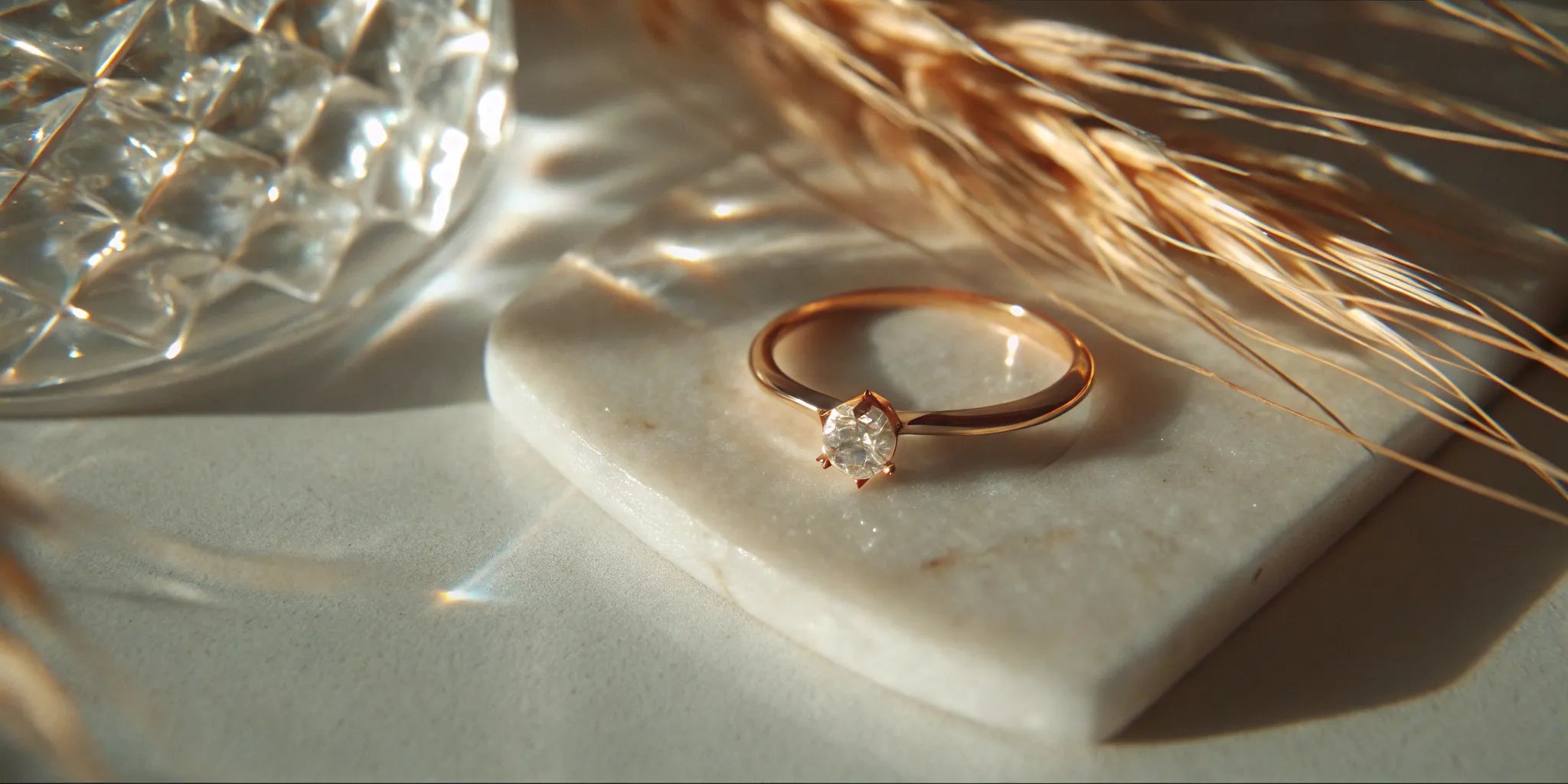
Prongs hold each diamond with small metal tips, leaving much of the stone visible. A bezel wraps a metal rim around each diamond. It gives the bracelet a smooth outline and a modern, defined look.
Pave styles place small diamonds close together for a fine field of light. Channel-style designs hold a line of stones between two metal walls. In either style, inspect how the stone seats connect and flex before choosing.
Diamonds resist scratches well, but hardness is only one part of durability. The Gemological Institute of America explains diamond durability through hardness, toughness, and stability. Secure settings and sound links still matter for daily wear.
Clasp security and daily checks
A box clasp with a safety latch is a strong choice for a diamond tennis bracelet. The clasp should close with a clear, firm click. A figure-eight side latch or another backup catch adds a second point of security.
Try the clasp with one hand before buying. It should feel easy to use, yet resist opening from a light pull. Also check the hinge, safety catch, and nearby links for smooth movement.
Even a secure clasp can wear over time. If it loosens, stop wearing the bracelet until a jeweler checks it. LUCE's repair and restoration services can assess clasps, links, and settings before small issues grow.
What carat weight is best for daily wear?
There is no single best carat weight for a diamond tennis bracelet. The right choice balances the look you enjoy with comfort, fit, and your usual routine. A refined line of smaller diamonds can feel natural each morning. A bolder bracelet brings more presence and may suit days when jewelry is the main focus.
Proportion on your wrist
Start with proportion rather than a number on a tag. The same total carat weight can look different across bracelets because wrist length affects how many stones are needed. Diamond shape, setting style, and the amount of visible metal also change the overall effect.
A slim wrist may give a modest diamond line more visual presence. On a broader wrist, a larger stone pattern may create a similar sense of balance. Try several widths and view each one from a normal distance. This makes it easier to choose an everyday luxury diamond tennis bracelet that feels in step with your style.
Diamond presence and comfort
More carat weight often means larger diamonds, more diamonds, or both. Each option affects how the bracelet sits and moves. A low-profile setting may feel smooth under a sleeve, while a larger stone line can feel more noticeable during desk work.
Diamonds resist scratches well, but hardness is only one part of durability. The Gemological Institute of America explains that durability also includes toughness and stability. For daily wear, inspect the setting, clasp, and safety feature as closely as the stones. Secure construction helps protect the full bracelet during regular movement.
Daily wear or occasion piece?
For an everyday piece, choose the lightest bracelet that still gives you the diamond presence you want. It should move with your wrist without feeling distracting. Check how it feels while typing, fastening a cuff, or carrying a bag. These small tests reveal more than carat weight alone.
An occasion bracelet can favor stronger visual impact if you plan to wear it for shorter periods. You might prefer larger diamonds or a wider setting when the bracelet anchors a dressed-up look. If you want one piece for both roles, choose a balanced scale and let stacking adjust the effect.
Carat weight should support the way you live, not set a rule for it. A personal fitting can compare scale, drape, and comfort on your own wrist. Over time, repair and restoration services can also help keep a well-loved bracelet ready for regular wear.
How to style a tennis bracelet for everyday luxury
A diamond tennis bracelet brings a clean line of light to almost any look. Its flexible shape feels polished without making everyday clothes seem too formal. The key is choosing a styling approach that suits your wardrobe, plans, and personal taste.
A simple solo statement
Worn alone, a tennis bracelet has room to shine. Pair it with a crisp shirt, knit dress, or sleeveless top for an easy West Palm Beach look. A slim design reads as subtle, while larger stones make a stronger statement.
Keep the rest of your jewelry calm when you want the bracelet to lead. Small diamond studs or a fine gold chain can echo its light without competing. Diamonds rank at the top of the Mohs scale, but hardness is only one part of diamond durability.
A balanced bracelet stack
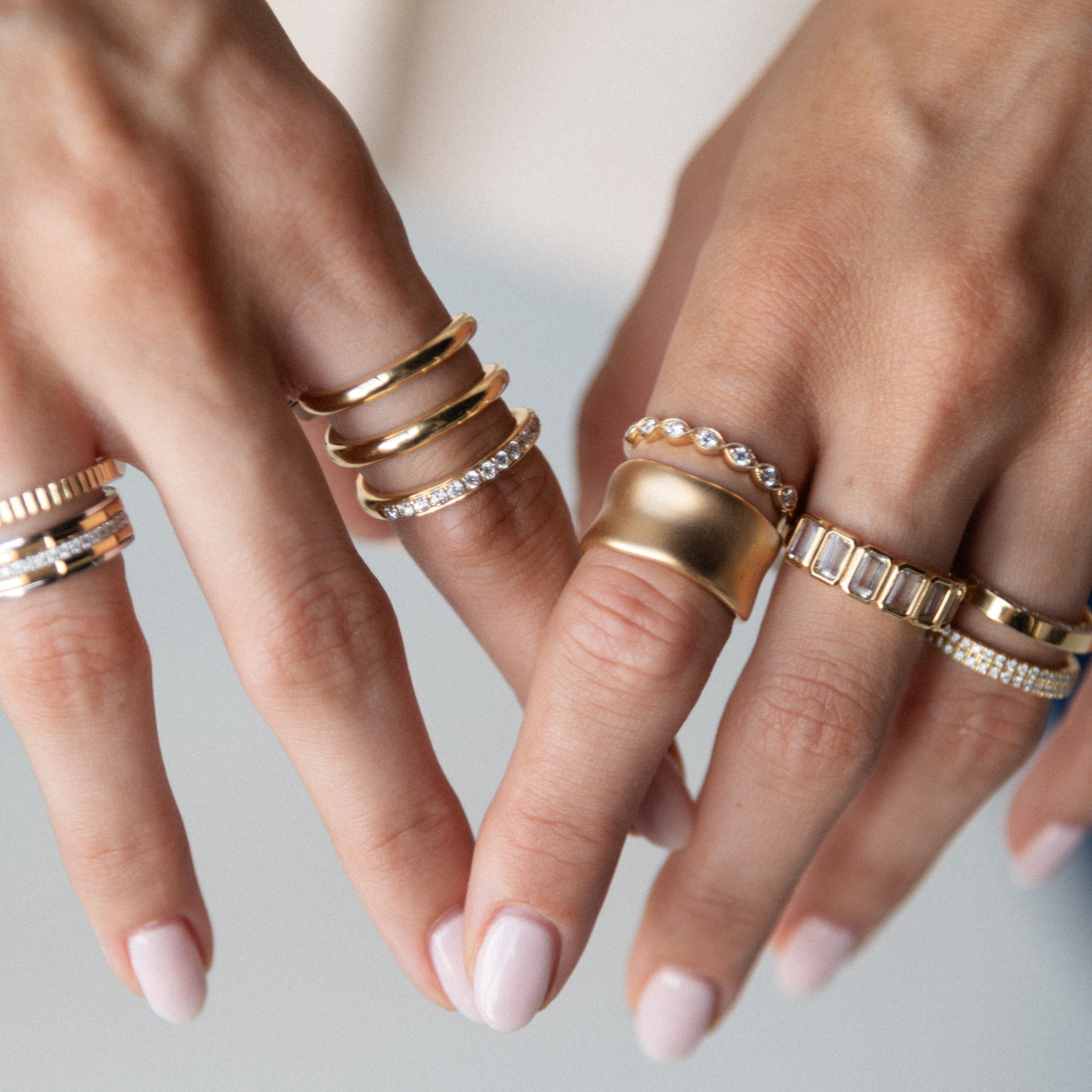
A tennis bracelet also works well beside solid gold pieces. Mix it with a smooth bangle, a fine chain bracelet, or a watch. Leave a little visual space so each piece keeps its own shape and detail.
- For daytime, pair one tennis bracelet with one slim gold bracelet.
- For evening, add a textured bangle or a second diamond piece.
- For a mixed-metal look, repeat each metal elsewhere in your jewelry.
Start with two pieces, then add another only if the stack still feels balanced. This measured approach fits the idea of an everyday luxury diamond tennis bracelet. It also lets the bracelet move from lunch in NORA to dinner near the waterfront.
Day-to-evening and milestone styling
For a smooth day-to-evening shift, keep the bracelet on and change the pieces around it. Add bold earrings or a cocktail ring after work. The bracelet remains the steady element, so the full look still feels intentional.
A tennis bracelet can also mark a birthday, anniversary, career step, or personal goal. For a gift, consider the wearer's usual metal, wrist fit, and styling habits. Self-purchasers can use the same guide and choose a piece that reflects their own milestone.
If a standard design doesn't express the story, explore LUCE's custom design services. A tailored setting, diamond pattern, or metal choice can make the bracelet more personal. The result can still feel easy enough for daily wear and refined enough for special plans.
How to care for a diamond tennis bracelet
Diamonds resist scratches well, but a bracelet's small settings and moving links still need thoughtful care. GIA explains that diamond durability includes hardness, toughness, and stability, so hardness alone does not make a stone immune to damage. A gentle routine helps protect both the diamonds and the metal that holds them.
Gentle cleaning at home
Start with a small bowl of warm water and mild dish soap. Let the bracelet soak briefly, then use a soft toothbrush to clean around each setting and beneath the stones. Work slowly so you can notice any diamond that moves.
Rinse the bracelet over a bowl, not an open drain. Pat it dry with a soft, lint-free cloth, then let it air-dry before storage. Avoid harsh cleaners, stiff brushes, and rough cloths that may harm the metal or catch on a prong.
- Clean the bracelet when lotion, soap, or daily wear dulls its shine.
- Keep it away from chlorine, bleach, and strong household cleaners.
- Store it flat and separate from other jewelry to limit scratches and tangles.
Protection during daily wear
Remove your diamond tennis bracelet before workouts, yard work, swimming, or any task that may pull or strike it. Pressure can bend a link or setting, while a sudden snag can weaken the clasp. Put the bracelet on after applying lotion, perfume, and hair products.
Before each wear, gently test the clasp and its safety latch. Look along the bracelet for lifted prongs, uneven links, or a diamond that sits differently from the rest. Stop wearing it if you see a change, since added movement may lead to more damage.
Professional checks and timely repairs
Plan a professional check about once a year, or sooner if the bracelet takes a hit. A jeweler can inspect the prongs, links, clasp, and safety catch under magnification. They can also clean places that are hard to reach at home.
Prompt service can secure a loose stone, fix a weak clasp, or restore a worn link before the issue grows. LUCE's repair and restoration services help extend the life of fine jewelry. This care also supports the goal of designing a future heirloom bracelet that can be worn for years.
Where a tennis bracelet fits in a fine jewelry wardrobe
A piece that works beyond one occasion
A diamond tennis bracelet earns its place because it does not depend on a trend. It can sit beside a white shirt, a silk dress, or a simple gold stack and still feel intentional. That flexibility is why many shoppers treat it as a wardrobe anchor, not just a formal piece.
For LUCE, the best version of everyday luxury is easy to wear and made to last. A tennis bracelet fits that idea when the metal, clasp, diamond layout, and fit are chosen with real life in mind. It should feel special, but not so precious that it stays in a box.
How it supports a bracelet collection
If you already wear gold cuffs, chain bracelets, or gemstone pieces, a tennis bracelet can add light without making the stack feel heavy. Pair a clean diamond line with one textured gold bracelet for day. Add a second slim bracelet at night if you want more presence.
Readers comparing styles can start with LUCE's bracelet collection to see how diamond, gold, gemstone, and mixed-material pieces can work together. The goal is not to own more jewelry. The goal is to choose pieces that make the rest of your collection easier to wear.
A future heirloom with personal meaning
A tennis bracelet can also mark a milestone: a birthday, anniversary, promotion, new chapter, or self-purchase. Its clean form leaves room for your own story. That makes it a natural fit for shoppers who want jewelry that feels modern now and meaningful later.
If you have stones from a family piece, LUCE's custom design services can help explore a new direction. If you already own a bracelet that needs attention, LUCE's repair and restoration services can help extend its life. Both paths support the same idea: fine jewelry should be worn, cared for, and passed forward.
Frequently Asked Questions
Why is it called a tennis bracelet?
The name became popular after tennis player Chris Evert lost her diamond bracelet during a match and paused play to find it. The story connected the flexible line bracelet with an active, everyday lifestyle. Today, the term generally describes a continuous row of diamonds in a flexible setting, regardless of whether the bracelet is worn for sports.
How should a diamond tennis bracelet fit?
A diamond tennis bracelet should move comfortably without sliding over the hand or turning constantly around the wrist. A jeweler can measure the wrist and allow enough room for natural movement. The correct fit also reduces pulling on the links and clasp. Before buying, test the bracelet while bending the wrist and moving the hand.
What carat weight is best for a diamond tennis bracelet?
The best total carat weight depends on the desired look, wrist size, setting, and budget. Lower total weights create a delicate line that suits understated daily wear. Higher weights give each diamond more visual presence and usually increase the bracelet's price. Compare several bracelets on the wrist because the same total weight can look different across settings and lengths.
Does diamond quality matter for a tennis bracelet?
Yes, but visual consistency often matters more than selecting the highest color or clarity grade. Look for diamonds that match in brightness, color, size, and cut appearance across the full bracelet. The setting and construction also affect long-term wear. The GIA notes that diamond durability includes hardness, toughness, and stability, so regular inspection remains important.
What is the most secure clasp for a diamond tennis bracelet?
A well-made box clasp with an added safety latch is a practical choice for a diamond tennis bracelet. The box clasp holds the ends together, while the safety provides backup if the main closure opens. Security also depends on sound links, settings, and maintenance. Test the clasp before purchase and have a jeweler inspect it regularly for wear or looseness.
Ready to Choose Your Everyday Tennis Bracelet?
Waiting to choose a tennis bracelet can leave a meaningful gap in your everyday jewelry and create pressure before your next celebration or milestone gift. Starting now gives you time to compare diamond styles, settings, precious metals, comfort, and long-term wear without rushing an important personal choice. A thoughtful review today helps you narrow the options and choose a bracelet that suits your routine, wardrobe, personal style, and the moments ahead.
Ready to find the right match? Explore LUCE's bracelet collection to compare available designs and see which details reflect your style. Contact LUCE to schedule a personalized jewelry consultation, ask focused questions, and make your final choice with a clear sense of direction.