Engagement Ring Settings Guide: Solitaire, Halo, Pavé, and More
The center diamond may be the first detail you notice, but the setting determines how it is framed, protected, and experienced every day. It can make a stone feel classic or contemporary, add meaningful symbolism, or suit a hands-on lifestyle more comfortably.
Engagement ring settings are the structures that secure a diamond or gemstone to its band while shaping the ring's style, sparkle, comfort, and durability. Popular choices include solitaire, halo, three-stone, pavé, bezel, and tension designs, each offering a different balance of presence and protection.
As you compare these styles, consider more than appearance. Think about how the ring will be worn, which details feel personal, and whether the design has the lasting quality of a future heirloom. Start with the clean, enduring silhouette of a solitaire.
Book a Design Your Own Ring consultation at LUCE to explore engagement ring settings with an expert jeweler.
The Solitaire Engagement Ring Setting
A solitaire setting keeps the design intentionally focused: one diamond, one elegant band, and a head that secures the center stone. With no surrounding diamonds competing for attention, the setting makes the center diamond's shape, symmetry, and cut the defining features of the ring. It is a natural choice for someone who wants a timeless engagement ring that feels refined now and remains meaningful as a future heirloom.
The solitaire is the most recognized engagement ring setting for good reason. Its clean silhouette pairs easily with any wedding band and suits nearly every diamond shape. The design is simple in appearance, but thoughtful decisions about prongs, height, metal, and diamond cut give it lasting character.
How prongs hold the diamond
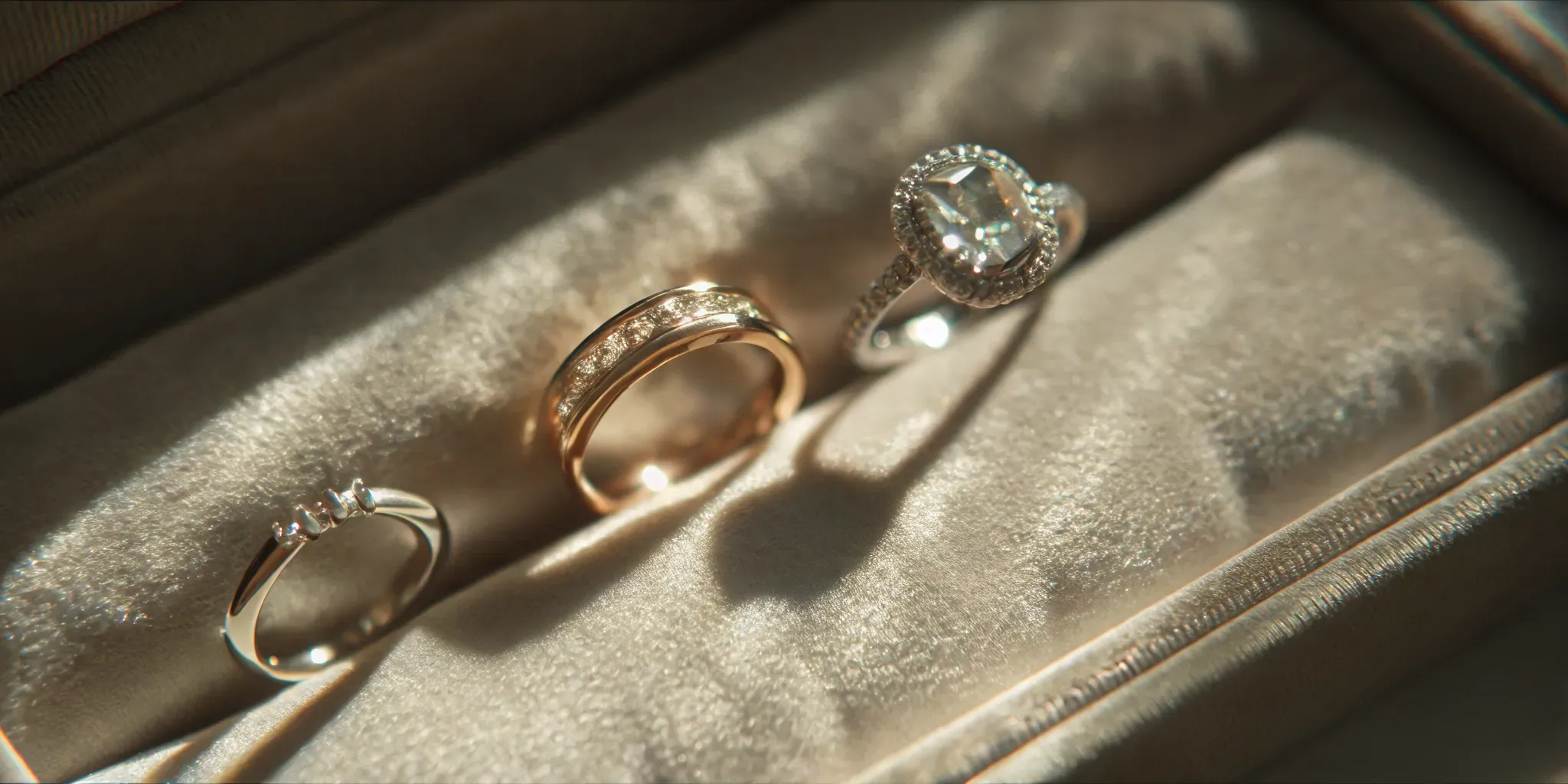
Prongs are the small claws or wires that grip the diamond and suspend it above the band. This elevated position leaves more of the stone exposed, allowing light to reach it from multiple angles while showing its size and detail. The prongs are visually restrained, so the eye stays on the diamond rather than the hardware supporting it. The Gemological Institute of America explains that prongs allow a solitaire diamond to catch the most light. Learn more about solitaire settings from GIA.
Four prongs or six?
A four-prong setting uses less metal and can reveal more of the diamond, making it a compelling option when maximum visibility is the priority. A six-prong setting places more protective points around the stone and is generally considered more secure. GIA notes that security should be a primary consideration and recommends six prongs when you are uncertain which option to choose. GIA's guide to four- and six-prong settings offers a closer look at the tradeoff.
Prong count does not determine sparkle. The diamond's cut quality has the greater influence on how it handles and returns light. So choosing four or six prongs should come down to the balance of visibility, protection, lifestyle, and personal style. A jeweler can also evaluate the diamond's shape and proportions before recommending the right head.
Who is a solitaire setting best for?
Choose a solitaire when you want the center diamond to be the clear focal point and prefer a clean silhouette that can pair easily with a wedding band. It also creates a versatile foundation for custom design, whether your taste leans classic, modern, warm yellow gold, or polished white metal. The setting is simple in appearance, but thoughtful decisions about prongs, height, metal, and diamond cut give it lasting character.
The Halo Engagement Ring Setting
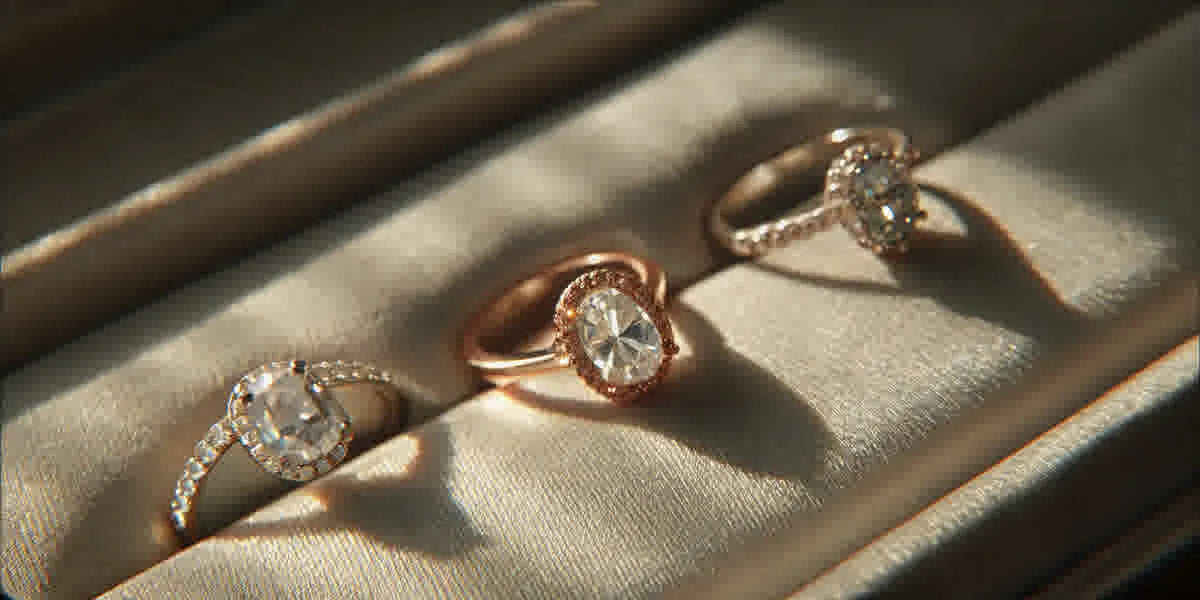
A halo setting surrounds the center diamond with a circle of smaller diamonds or gemstones. This frame adds light around the center and can make the main stone appear larger, while giving the ring an unmistakable sense of presence. The effect is especially appealing when you want abundant sparkle without choosing a larger center diamond.
Halo rings can be a thoughtful choice for a slightly smaller center stone, but their appeal is not limited to size. The surrounding stones create a luminous outline that draws the eye toward the center. According to The Knot's setting guide, the halo design enhances both the perceived size and brilliance of the center stone.
Which center shapes work best with a halo?
Round, cushion, and oval diamonds are particularly natural pairings for a halo. A round center creates a balanced, classic silhouette. A cushion center brings a softer, slightly vintage character, while an oval center can create an elegant, elongated look. The halo can echo the center stone's outline or introduce a subtle contrast, depending on the proportions and the feeling you want the finished ring to convey.
Vintage inspiration with a modern point of view
Halo engagement rings often carry a vintage-inspired romance, but the design can feel thoroughly contemporary when the proportions, metal, and accent stones are carefully considered. A slim halo reads refined and understated. A more pronounced halo creates a bolder statement, especially when paired with additional detail along the band.
At LUCE, the halo remains a popular choice for clients who want a ring with warmth, character, and maximum sparkle. It can suit a traditional proposal as easily as a more personal design intended to become a future heirloom. To compare silhouettes in person, explore the LUCE engagement ring collection or speak with the LUCE team about creating a setting around the stone you love.
The Three-Stone Engagement Ring Setting
A three-stone setting places a center diamond between two smaller side stones, creating a balanced design with meaning built into its structure. Traditionally, one diamond represents the past, one the present, and one the future, according to the Gemological Institute of America. That symbolism makes this setting especially fitting for couples who want an engagement ring to honor their story while looking ahead to the life they are building together.
The center stone usually serves as the focal point, while the side stones add proportion, presence, and light around it. They may be diamonds for a classic look or colored gemstones for a more personal expression. Round, princess, and emerald cut center stones can all work beautifully in a three-stone design. Though the proportions and alignment of the side stones should be carefully considered for a polished result.
Who is a three-stone setting best for?
This style suits someone who wants more visual detail than a solitaire without the continuous sparkle of a halo or pavé design. It can feel meaningful and refined, whether the stones are matched for symmetry or chosen to create a subtle contrast. A three-stone ring may also be a thoughtful choice for marking a significant chapter, such as an anniversary, vow renewal, or a custom engagement.
Lifestyle matters, too. Because the design includes multiple stones and their settings, an active wearer should consider how high the ring sits. How easily it could catch on clothing, and how much maintenance feels comfortable. A lower profile and secure setting can make the ring easier to wear day to day. At LUCE, custom design services allow you to shape those details around your style, routine, preferred gemstones, and the story you want the ring to carry. The result can be a modern future heirloom that feels personal from every angle.
The Pavé Engagement Ring Setting
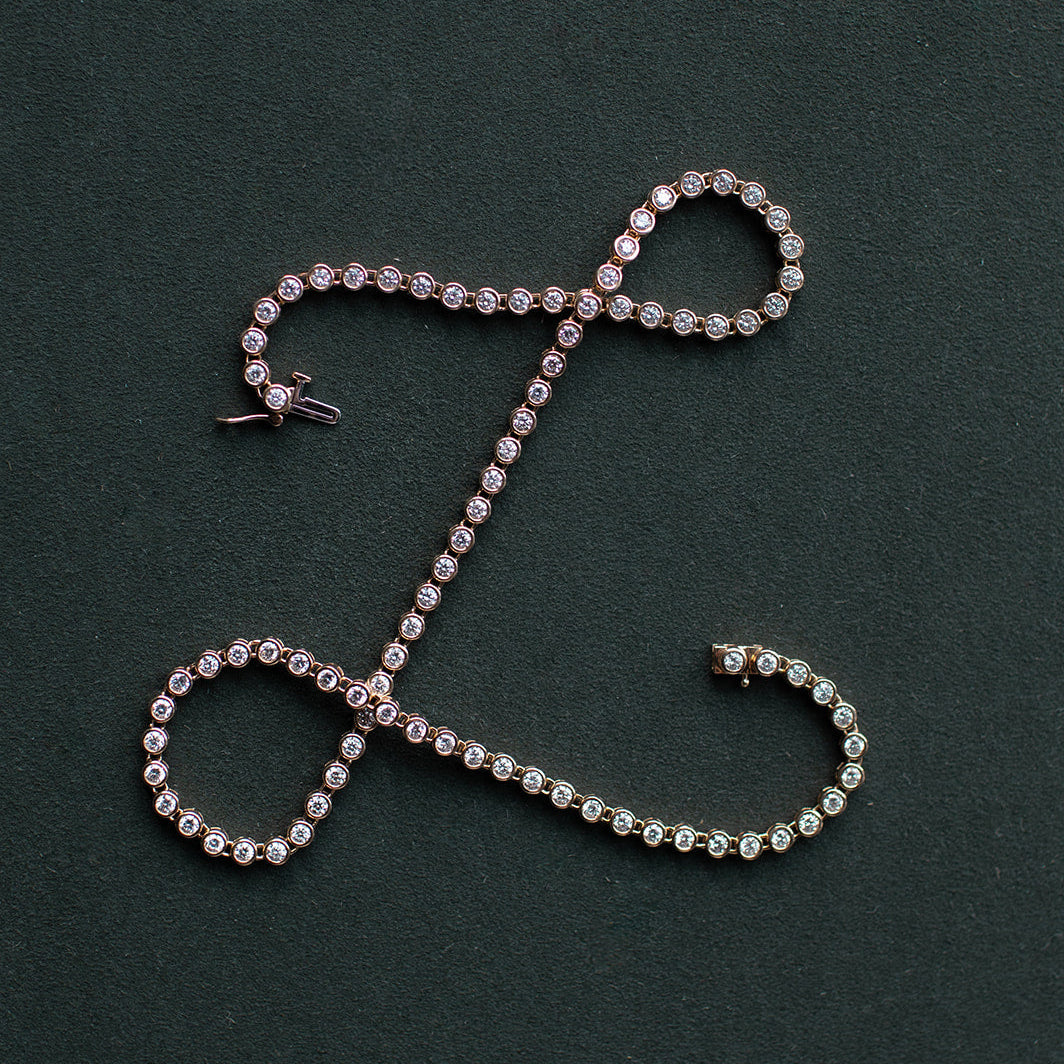
Pavé, pronounced pah-vay, comes from the French word for "paved." In this setting. Small diamonds are placed closely together across the band, creating the look of a continuous surface of sparkle. The effect is luminous from every angle while keeping the focus on the center stone and the movement of the ring as a whole.
As a type of sidestone setting, pavé adds extra brilliance through the use of additional diamonds. The closely set stones can make a band feel richly detailed without requiring a wide, heavy design. This makes pavé a graceful choice for someone who wants an engagement ring with noticeable sparkle along the finger, not only at its center. The Gemological Institute of America explains that sidestone settings can add additional sparkle or color to a ring: GIA's guide to popular setting styles provides helpful context.
Craftsmanship matters in a pavé band
Because the accent diamonds are small and set close together, pavé requires precise craftsmanship. Each stone must be properly supported, and the surrounding metal must be finished carefully so the diamonds remain secure during everyday wear. A well-made setting balances visual delicacy with practical structure, giving the band its uninterrupted sparkle without making it feel fragile.
Is pavé right for your lifestyle?
Pavé can be an excellent match for a refined, high-sparkle look, but it may call for more maintenance than a plain band. Particularly for someone who wears a ring during hands-on work, exercise, or other active routines. Regular professional inspections can help identify loose stones or worn areas before a small concern becomes a larger repair. Removing the ring during high-impact activities and storing it securely when not in use can also help protect the setting.
At LUCE, pavé is one of the details we can explore in a custom design. Our team can help you weigh the brilliance of a fully or partially pavé band against your daily routine. Preferred metal, center stone, and vision for a future heirloom.
The Bezel Engagement Ring Setting
A bezel setting surrounds the diamond completely with a metal rim, or collar, that holds the stone securely in place. Instead of rising above the band on individual prongs, the diamond sits within a smooth frame. The result is a clean, contemporary silhouette with protection built into the design.
Why choose a bezel setting?
For an active lifestyle, a bezel can be one of the most reassuring engagement ring settings. The surrounding metal helps shield the diamond's edges from accidental knocks and everyday wear. It also creates a smooth surface, so there are no prongs to catch on sweaters, hair, or other clothing. That practical detail makes a bezel especially appealing to someone who wears their ring from morning through evening.
The look is equally distinctive. A bezel feels modern and architectural while still allowing the diamond to remain the focus. It pairs particularly well with round, oval, and emerald cut diamonds. A round stone can take on a refined, streamlined appearance, while an oval or emerald cut can be framed to emphasize its elegant outline. The metal choice and bezel proportions further shape the ring's character, from understated and minimal to bold and sculptural.
The trade-off between protection and sparkle
A bezel offers maximum protection, but its metal rim covers more of the diamond's edge than a prong setting does. That can mean slightly less light exposure from the sides. If maximum sparkle and visible diamond surface are your priorities, a prong setting may be the better fit. If security, a snag-free profile, and a sleek aesthetic matter more, the bezel's design is compelling.
At LUCE Jewelry in West Palm Beach, our team can craft a custom bezel setting around your preferred diamond shape, lifestyle, and sense of style. Visit us at 985 North Railroad Avenue to explore a setting designed to become a future heirloom.
The Tension Engagement Ring Setting
A tension setting creates a striking, almost weightless look. Instead of using prongs or a bezel to surround the diamond. The setting relies on the carefully calculated pressure of the metal band to hold the stone between two ends of the ring. From above, the diamond appears to float in the open space, giving this design a distinctly modern character.
Maximum light and a minimalist profile
Because very little metal covers the diamond, a tension setting leaves more of the stone exposed to view and light. The result is a clean, architectural silhouette that suits someone drawn to contemporary fine jewelry rather than ornate detail. It can also make the center diamond feel especially prominent, while the uninterrupted band keeps the overall design streamlined.
Why precision matters
The beauty of a tension setting depends on exact engineering. The diamond must be measured precisely, and the ring must be designed so the band applies consistent pressure without placing unnecessary strain on the stone. Unlike a traditional setting, it is not a style that should be improvised or adjusted casually. Any future resizing or alteration also requires specialized knowledge, since changing the band can affect the setting's carefully calibrated balance.
For that reason, tension rings are best made and maintained by an experienced jeweler who understands both the design and the diamond. At LUCE, a consultation can help determine whether this setting suits your stone, lifestyle, and long-term plans for a future heirloom. If you prefer a similarly clean look with a different security approach, a jeweler can also compare tension designs with other engagement ring styles.
Who should consider a tension setting?
This setting is a strong choice for someone who wants a distinctive, minimalist ring and is mindful of how they wear it. It may be less suitable for people whose hands regularly face hard impacts, demanding manual work, or activities that could put unusual force on the band. Discuss your daily routine honestly with your jeweler. The right setting should not only express your style, but also support the way you expect to live with the ring.
How to Choose the Best Engagement Ring Settings for Your Lifestyle
The right setting balances how you want your ring to look with how you live, work, and move through the day. Consider your preferred diamond shape, the level of sparkle you want, how often your hands encounter impact or friction, and whether a low-profile design would feel more comfortable. Security matters, too. The Gemological Institute of America notes that a six-prong setting is generally more secure than a four-prong design. While a bezel provides especially strong protection by surrounding the stone with metal.
| Setting Type. | Best Diamond Shapes. | Security Level. | Sparkle Level. | Lifestyle Fit. | Best For. |
|---|---|---|---|---|---|
| Solitaire. | Round, oval, pear, emerald. | Moderate to high, depending on prongs; six-prong designs offer more security. | Focused center-stone brilliance. | Classic, versatile, and easy to pair with a wedding band. | Those who want the diamond to lead the design. |
| Halo. | Round, cushion, oval, radiant. | Moderate; accent stones need regular inspection. | Very high, with added brilliance and visual size. | Glamorous, expressive, and suited to frequent dress-up. | Those who want a smaller center to appear larger. |
| Three-stone. | Round, oval, pear, emerald. | Moderate to high, depending on the individual stone settings. | High, from the center and two side stones. | Meaningful and substantial for everyday wear. | Those drawn to symbolism and a richer silhouette. |
| Pavé. | Most shapes as a band or halo accent. | Moderate; small stones require attentive maintenance. | Very high, with continuous band sparkle. | Best for those comfortable removing rings during hands-on tasks. | Those who want brilliance across the entire ring. |
| Bezel. | Round, oval, emerald, radiant. | Very high; the metal rim offers maximum protection. | Moderate, with a sleek and defined outline. | Excellent for active lifestyles and low-profile comfort. | Those prioritizing security and modern simplicity. |
| Tension. | Round, princess, emerald, oval. | Specialized; professional fitting and inspection are important. | High, with a distinctive floating effect. | Modern and carefully considered for daily wear. | Those who want an architectural, unconventional look. |
Use the table as a starting point, not a final verdict. A solitaire, for example, can be tailored with four or six prongs, and sparkle depends primarily on diamond cut quality rather than prong count. A halo adds brilliance and makes the center stone appear larger, while a bezel keeps the stone protected and flush for a more active routine. Three-stone designs carry a personal meaning: one diamond can represent the past, present, and future, according to GIA.
Explore LUCE's engagement ring collection to compare proportions and details in person. For more context on craftsmanship, read about handcrafted engagement ring settings. If none of the standard combinations feels quite right, LUCE's design your own ring option allows you to select a setting, stone, and details around your lifestyle. The result is a future heirloom that feels personal from every angle.
At LUCE Jewelry in West Palm Beach, a design consultation can help you weigh security, comfort, proportion, and style before deciding. The best setting is the one that supports your everyday life while still feeling unmistakably yours.
Frequently Asked Questions
Which setting is best for an engagement ring?
The best setting depends on how you want the ring to look, feel, and function day to day. A solitaire highlights one center diamond, a halo adds surrounding sparkle, and a bezel offers a smooth, protective edge. Consider your style, lifestyle, desired level of sparkle, and how much maintenance you are comfortable with before choosing.
What are the different engagement ring settings?
Popular styles include solitaire, halo, three-stone, pavé, bezel, and tension settings. A solitaire focuses attention on one center stone. Halo settings surround it with smaller stones, while three-stone designs add side diamonds. Pavé settings create continuous sparkle along the band, bezels surround the stone with metal, and tension settings hold the stone between the sides of the ring.
Which engagement ring setting is the most secure?
Security depends on the design, materials, stone, and quality of construction. But a bezel setting surrounds the diamond with metal and is a strong choice for shoppers who prioritize protection. In a prong setting, six prongs generally provide more security than four, while still allowing the center stone to remain visible.
Does the engagement ring setting affect the diamond's appearance?
Yes. The setting changes how large the diamond appears, how much of it is visible, and how light interacts with the design. Prongs leave more of the stone exposed, halos can create a larger overall look, and bezels provide a clean outline. The diamond's cut quality, rather than prong count alone, determines its sparkle.
Book a Design Your Own Ring consultation with LUCE to explore a setting that reflects your style and supports the future heirloom you have in mind.