How to Buy Pear Diamond Earrings Like a Pro
The best jewelry is more than an accessory—it’s a future heirloom that tells your story. While it's great to find a piece you love, there's something powerful in creating one that is uniquely yours. The distinctive teardrop shape of pear diamond earrings makes them a perfect canvas for personalization. Their modern elegance is incredibly versatile, but the real magic is in the details. The metal, the setting, and the style all work together to reflect your taste. We’ll explore the most popular options and show you how a custom design can bring your perfect pair to life.
Key Takeaways
- Focus on the Cut for a Brilliant Diamond: The secret to incredible sparkle lies in the diamond's cut, not just its carat weight. A beautifully cut 1-carat pear diamond will always outshine a larger, poorly cut stone, so prioritize finding one with excellent symmetry and an "eye-clean" appearance.
- The Pear Shape Gives You a Bigger Look: Thanks to its elongated teardrop form, a pear-shaped diamond looks larger than other cuts of the same weight. This smart feature allows you to get a more substantial and impressive look without increasing your budget.
- Match the Setting to Your Personal Style: The setting is what makes your earrings perfect for you. Choose classic studs for effortless, everyday luxury, or select a drop or dangle style to add elegant movement for more formal occasions.
Why Are 1-Carat Pear Diamond Earrings So Popular?
When you combine a timeless diamond shape with the perfect, practical size, you get something truly exceptional. One-carat pear-shaped diamond earrings hit that mark perfectly. They offer a unique blend of elegance, versatility, and value that makes them a favorite for anyone building a fine jewelry collection. Let’s look at what makes this combination a standout choice.
Why the Pear Shape Is So Flattering
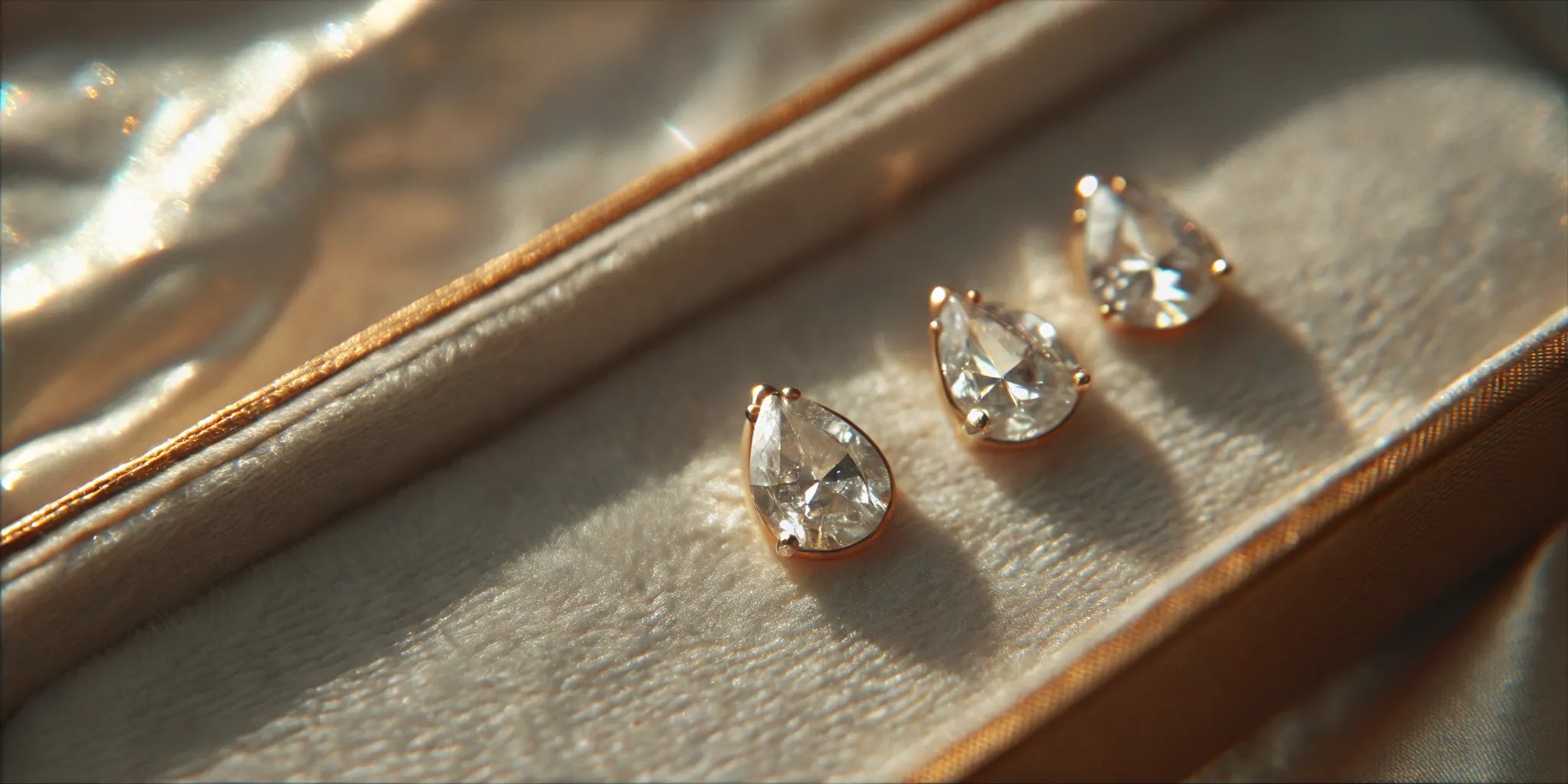
The pear shape, often called a teardrop, is a beautiful mix of a round and a marquise cut. This creates a delicate point on one end and a soft curve on the other, resulting in a silhouette that is both graceful and sophisticated. When worn as earrings, the elongated shape has a subtle lengthening effect that beautifully complements your jawline. It’s a versatile cut that feels right at home whether you’re heading to a gala or just running errands. This unique shape catches the light from every angle, offering a brilliant sparkle that is simply captivating.
The Symbolism of the Teardrop Shape
The teardrop shape is so much more than just its elegant outline; it carries a rich history of symbolism that adds a deeper layer of meaning to your jewelry. Across many cultures, this shape has been used to represent powerful emotions. It can symbolize tears of joy from a significant life moment, a quiet remembrance of a loved one, or even a profound sense of empathy. This emotional connection is what transforms a beautiful pair of earrings into a personal talisman. Beyond personal feelings, the teardrop is also connected to the natural world. Often associated with a drop of water, it represents renewal and the flow of life itself, making it a beautiful reminder of life’s precious moments, both big and small.
Why 1 Carat Is the Sweet Spot
A total weight of one carat, meaning a half-carat diamond for each ear, is the ideal size for diamond studs. It’s substantial enough to make a statement and feel luxurious, yet it’s perfectly suited for everyday wear. This size offers noticeable sparkle without feeling too heavy or overpowering. It’s the kind of jewelry you can put on in the morning and forget you’re wearing until someone compliments you on it. If you’re looking for a specific size or style, exploring custom designs can help you create the perfect pair that feels uniquely yours.
How It Compares to Other Common Stud Sizes
When you’re looking at diamond studs, size is often the first thing that comes to mind. While smaller studs, like a half-carat total weight, are wonderfully delicate, a 1-carat pair offers a more substantial presence without being overwhelming. This is where the pear shape truly shines. Because of its elongated form, a 1-carat pear-shaped diamond appears larger than a round diamond of the same weight, giving you more visual impact. On the other end, larger studs can feel heavy for all-day wear, making the 1-carat size the perfect middle ground for everyday luxury. Remember, a beautifully cut 1-carat diamond will always offer more sparkle than a larger, poorly cut stone, so focusing on quality makes all the difference when choosing your perfect earrings.
Get a Bigger Look for Your Budget
One of the best features of the pear shape is that it tends to look larger than other diamond cuts of the same carat weight. Because of its elongated form, a one-carat pear diamond has a greater surface area than a one-carat round diamond, creating the illusion of a bigger stone. This means you can get a more impressive look without stretching your budget. It’s a smart way to maximize visual impact and get more sparkle for your investment. This characteristic makes pear-shaped diamonds an excellent value and a popular choice for savvy shoppers.
How Pear Diamond Prices Compare to Round Diamonds
When it comes to price, pear-shaped diamonds offer a distinct advantage over the classic round brilliant. You'll generally find that a pear-shaped diamond is more affordable than a round diamond of the same carat weight and quality. This difference comes down to the cutting process. Crafting a perfectly symmetrical round diamond requires removing more material from the original rough stone, and that higher cost is passed on to the buyer. The pear shape, however, utilizes the rough diamond more efficiently. This means you can get that gorgeous, fiery sparkle for less, allowing you to put those savings toward a higher clarity grade or work with a jeweler to create a completely custom design. It’s a smart choice that gives you more flexibility without compromising on beauty.
How to Assess Diamond Quality Like a Pro
When you’re looking for the perfect pair of diamond earrings, understanding what makes a diamond shine is key. It’s not just about size; it’s about the unique personality of each stone. Getting familiar with the fundamentals of diamond quality will help you choose a pair you’ll love for a lifetime. The most widely accepted method for assessing any diamond is based on the Four Cs: Cut, Color, Clarity, and Carat. For a distinctive shape like the pear, these elements work together in a special way to create that teardrop sparkle you’re looking for. Learning to balance these factors is the secret to finding a beautiful diamond that fits your style and budget.
The 4 Cs: What to Know for Pear Diamonds
Think of the Four Cs as a diamond's report card. For a 1-carat pear-shaped diamond, the Cut is arguably the most important factor. It doesn’t refer to the shape itself, but to how well the diamond’s facets interact with light. A great cut gives a pear diamond its brilliance and fire. Carat is the diamond's weight, and at 1 carat, you get a substantial and noticeable size. Color refers to the absence of color, with grades ranging from D (colorless) to Z (light yellow). Finally, Clarity measures the absence of inclusions and blemishes. Together, these four characteristics determine the diamond's overall quality and value, influencing everything from its sparkle to its price.
Finding the Ideal Shape and Sparkle
The pear shape, also known as the teardrop, is a beautiful hybrid of a round brilliant and a marquise cut. This unique combination creates a stunning sparkle and an elegant, elongated silhouette that is incredibly flattering. When you’re looking at pear diamonds, pay attention to their symmetry. The point should line up perfectly with the apex of the rounded end. A well-cut pear diamond will have a brilliant sparkle across the entire stone, but many can show a "bow-tie effect," a dark, bow-tie-shaped shadow in the center. A minimal bow-tie is fine, but a prominent one can be distracting. Finding that perfect balance is what our jewelers specialize in through our custom design services.
Which Color and Clarity Grades Should You Prioritize?
You don’t need a flawless, colorless diamond to get a gorgeous pair of earrings. For pear shapes, many people actually prefer the warmer tones of G-H color grades, which can look beautiful and offer better value. Because the color can concentrate at the pointed tip, it’s wise to see the stone in person or view high-quality images. When it comes to clarity, the goal is to find a diamond that is "eye-clean," meaning you can't see any inclusions with the naked eye. A grade of SI1 (Slightly Included) can often be a great choice. Prioritizing a great cut over top-tier color and clarity grades is a smart way to get the most brilliant earrings for your budget.
Lab-Grown vs. Natural: Which Diamond Is for You?
One of the biggest questions when shopping for diamonds is whether to choose a lab-grown or a natural stone. The great news is, there’s no wrong answer. Both are beautiful, real diamonds, and the right choice for you simply comes down to what you value most. Think of it less as a competition and more as two different paths to the same stunning result. Your perfect pear-shaped earrings are waiting, whether they were formed in the earth or in a lab. Let’s look at what makes each option special so you can decide which story you want your jewelry to tell.
Why You Might Prefer a Lab-Grown Diamond
Think of lab-grown diamonds as real diamonds with a different origin story. They are created in a controlled environment using advanced technology that replicates the natural diamond-growing process. The result is a stone that is physically, chemically, and optically identical to a mined diamond. You get the same fire, brilliance, and durability. A major advantage is that lab-grown diamonds often come at a more accessible price point. This can allow you to choose a larger stone or a higher quality grade without stretching your budget, giving you more freedom to create a custom design you’ll love forever.
The Lasting Appeal of a Natural Diamond
For many, the magic of a natural diamond lies in its incredible history. Formed deep within the Earth over billions of years, each natural diamond is a completely unique piece of natural art. This rarity and ancient origin give them a romantic, timeless quality that has been cherished for generations. When you choose a natural diamond from a trusted jeweler, you can be confident it has been ethically sourced and is conflict-free. It’s a classic choice that connects you to a long tradition of celebrating love and milestones with one of nature’s most beautiful creations.
Making a Sustainable and Ethical Choice
We believe that the jewelry you wear every day should feel good, inside and out. Choosing a lab-grown diamond is a fantastic way to minimize your environmental footprint, as the creation process has a significantly smaller impact than traditional mining. It’s a modern choice that aligns with a conscious lifestyle. At the same time, we ensure our natural diamonds are sourced responsibly to protect both people and the planet. Our commitment to sustainability means that whether you lean towards a lab-grown diamond or a natural one, you’re choosing a piece you can be proud to wear.
Can You Tell the Difference?
Visually, it’s impossible to distinguish a lab-grown diamond from a natural one. They share the exact same chemical, physical, and optical properties, meaning they have the same sparkle, hardness, and brilliance. Even a trained gemologist can’t tell them apart without using highly specialized equipment designed to detect their different growth patterns. This means your choice truly comes down to what matters most to you: the ancient, romantic story of a natural diamond or the modern innovation and value of a lab-grown one. Either way, you’re getting a stunning, real diamond. This freedom of choice allows you to focus on what you love, whether it's a larger stone or a more intricate setting for your perfect pair of earrings.
What's the Price of Pear Diamond Earrings?
Let's talk about one of the most common questions: what should you expect to pay for 1-carat pear diamond earrings? The truth is, there’s no single answer. The price can vary quite a bit, but it’s not arbitrary. A diamond’s cost is a direct reflection of its quality, origin, and the craftsmanship of the final piece.
Understanding these factors helps you see exactly what you’re paying for. It also gives you the power to decide which elements are most important to you, whether that’s size, sparkle, or origin. Think of it less as a fixed price and more as a flexible budget you can build around your priorities. We’ll break down the key components that influence the final cost, so you can feel confident in your investment and find a pair of earrings you’ll love forever.
How Quality and Origin Affect Cost
The two biggest factors determining the price of your earrings are the diamonds' quality and whether they are natural or lab-grown. A diamond’s quality is universally measured by the Four Cs: carat, cut, color, and clarity. Each grade on these scales can shift the price significantly. For instance, a flawless, colorless diamond will cost much more than one with slight inclusions or a warmer tone.
The diamond’s origin story also plays a major role. Natural diamonds, formed over billions of years deep within the earth, are rare and carry a higher price tag. Lab-grown diamonds, which have the same physical and chemical properties, are created in a controlled environment. This process makes them a more accessible option. At Luce, we believe in transparent and sustainable practices for all our jewelry.
A Quick Price Comparison: Lab vs. Natural
So, what does this mean for your wallet? While prices fluctuate, you can expect to pay a premium for natural diamonds. A pair of 1-carat total weight natural diamond studs might start around a few thousand dollars and go up from there based on their quality grades.
In contrast, a pair of 1-carat total weight lab-grown diamond earrings can be significantly more affordable, often costing 30% to 50% less than their natural counterparts. This price difference allows many people to choose higher clarity or color grades without stretching their budget. It’s all about what you value most: the rarity and timeless story of a natural diamond or the impressive size and quality you can get with a lab-grown stone.
Specific Price Examples
To give you a clearer picture, let's look at some real-world numbers. For a pair of 1-carat total weight lab-grown pear diamond studs, you might see prices like $1,198 from a brand like Ring Concierge. Other jewelers, such as VRAI, offer various styles where solitaire studs start around $800 and more intricate designs like drop earrings can begin closer to $1,360. This shows how both the diamond and the setting influence the final cost. On the other hand, a similar pair made with natural diamonds from a heritage brand like De Beers could be priced around $5,400. Seeing these figures side-by-side really highlights the value that lab-grown diamonds offer, giving you more flexibility to create your own perfect pair without compromising on size or sparkle.
Value Factors to Look Out For
When you’re comparing prices, remember that carat weight isn't everything. The cut is especially important for a pear shape because it determines the diamond's sparkle and can even make it appear larger. A beautifully cut 1-carat diamond can easily outshine a poorly proportioned 1.2-carat stone that looks dull or small for its weight.
This is where working with a trusted jeweler makes all the difference. We can help you balance the Four Cs to find a diamond that looks stunning and offers incredible value. By prioritizing a great cut and choosing a color and clarity grade that looks perfect to the naked eye, you can get the best possible earrings for your budget. Exploring custom designs is another great way to ensure every element is tailored to your exact preferences.
Choosing the Right Style for Your Pear Diamond Earrings
Once you’ve found the perfect pear-shaped diamond, the next step is choosing a setting that complements its unique teardrop shape and fits your personal style. The right setting does more than just hold the diamond in place; it defines the entire character of the earrings. Think about your lifestyle and when you plan to wear them. Are you looking for a subtle touch of luxury for your daily routine, or do you want a statement piece for special occasions? The beauty of the pear cut is its versatility, looking equally stunning in a simple stud as it does in an elaborate drop design.
The style you choose can completely transform the diamond's appearance. A minimalist setting will highlight the stone's elegant silhouette, while a more decorative one, like a halo, can add extra sparkle and presence. Your choice of metal, from the warm glow of yellow gold to the cool sophistication of platinum, also plays a huge role in the final look. This is your chance to create a piece that feels truly yours, a future heirloom that reflects your taste. We’ll explore some of the most popular options to help you find the perfect match for your 1-carat pear diamonds.
Classic Studs for Everyday Wear
For a timeless and incredibly versatile option, you can’t go wrong with classic studs. Pear-shaped diamond studs offer a subtle twist on the traditional round or square cut, adding a touch of modern elegance to any outfit. Because pear diamonds work well for all occasions, they are perfect for everything from a day at the office to an evening out. This style is ideal if you want your earrings to be a staple in your collection. Studs are comfortable, secure, and effortlessly chic, providing that perfect hint of sparkle without being overpowering. They sit snugly against the earlobe, making them a practical choice for a busy, active lifestyle.
Common Settings and Closures
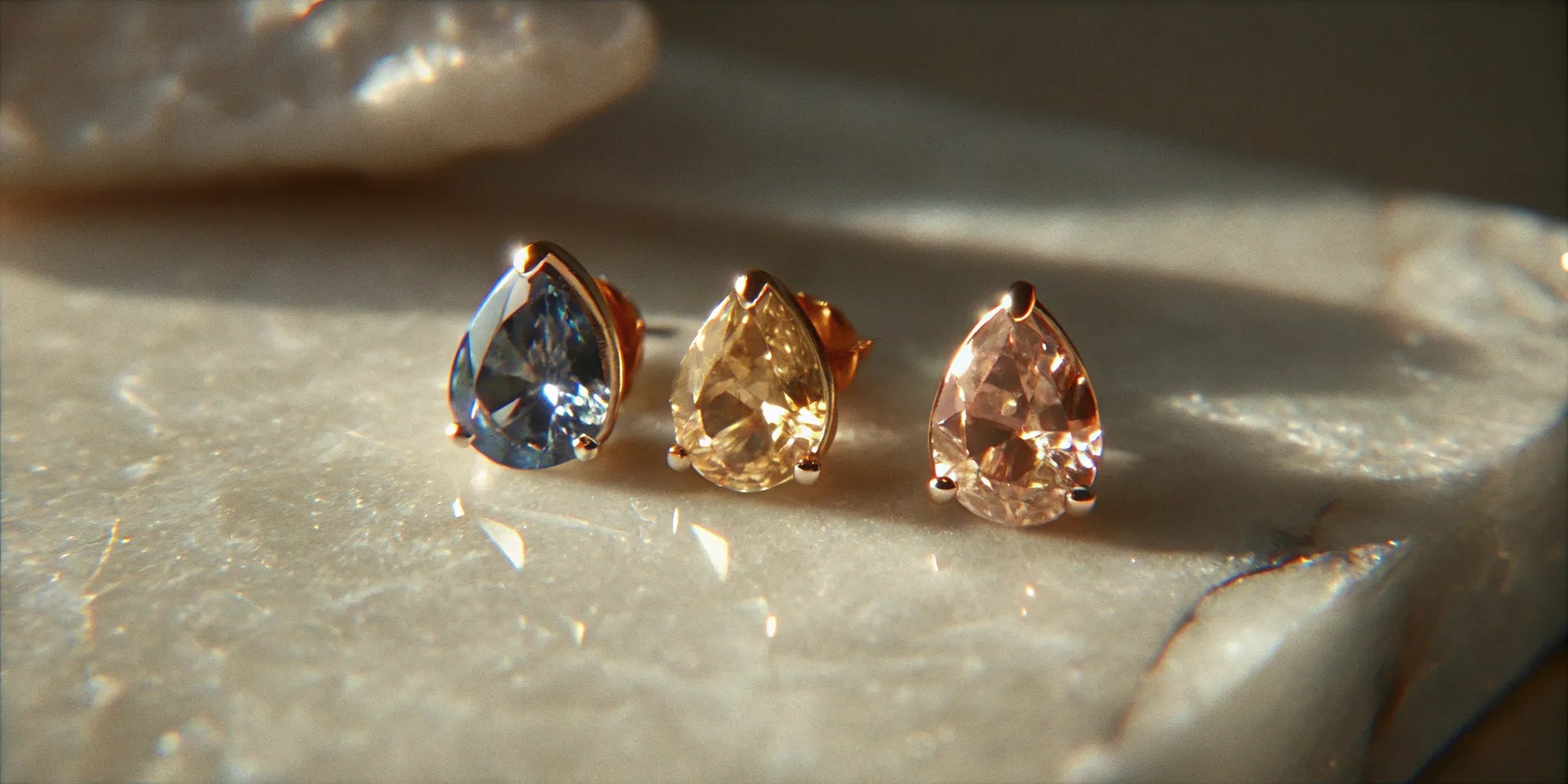
The setting and closure are the small details that make a big difference in both the look and security of your earrings. The setting’s primary role is to hold the diamond safely, which is especially important for protecting the delicate point of a pear shape. A classic three-prong setting is a popular choice because it allows maximum light to enter the diamond, creating incredible sparkle. For a more modern feel and added durability, a bezel setting wraps the entire edge of the diamond in a thin metal frame. Choosing the right one is a key part of the personalization process, and it’s something we can explore together in a custom design consultation. The closure is just as crucial. Most studs use a friction back, or push back, which is a simple and reliable option for keeping your everyday treasures securely in place.
Elegant Drop and Dangle Styles
If you’re looking for a little more drama and movement, consider a drop or dangle style. These designs allow the pear-shaped diamond to hang below the earlobe, catching the light with every turn of your head. This movement beautifully accentuates the diamond's fire and scintillation. Styling pear diamond earrings in a drop design doesn't have to be reserved for formal events. While they are a stunning choice for a wedding or gala, they also add an irresistible sparkle to a romantic dinner or anniversary celebration. A dangle setting can make your diamonds feel even more special, turning them into a captivating focal point that brings sophistication to your entire look.
How to Choose Your Metal and Prongs
The metal and setting are the foundation of your earrings, providing both security and style. Classic prong, bezel, and halo settings are all popular choices for pear diamonds. A prong setting, especially with a protective v-prong at the delicate tip, is a classic choice that maximizes the diamond's exposure to light. For a more modern and secure feel, a bezel setting encases the diamond's perimeter in metal. If you want to enhance the size and sparkle, a halo of smaller diamonds around the center stone is a beautiful option. Your choice of metal, like yellow gold, white gold, or platinum, will set the tone. This is where you can truly personalize the piece through a custom design to create your perfect pair.
Choosing the Best Metal for Sensitive Ears
There’s nothing more disappointing than finding the perfect pair of earrings, only to discover they leave your ears red and irritated after just a few hours. If this sounds familiar, you’re not alone. Skin sensitivity is incredibly common, but it doesn’t mean you have to give up on wearing beautiful jewelry that you can cherish for years. The solution lies in paying close attention to the materials used. Choosing the right metal is the single most important factor in ensuring your earrings are comfortable enough for all-day wear, allowing you to enjoy your favorite pieces without a second thought and build a collection you can truly live in.
Hypoallergenic vs. Nickel-Free Materials
When you're shopping, you’ll often see the term "hypoallergenic," but it’s important to know what that really means. While it suggests a lower risk of an allergic reaction, it’s not a regulated term and can sometimes still contain small amounts of nickel, the most common culprit for skin irritation. For true peace of mind, look for materials that are completely nickel-free. According to experts, titanium is an outstanding choice as it’s naturally biocompatible and durable. Other excellent options for fine jewelry include platinum and high-karat gold (14k or 18k), which are prized for their purity and are very unlikely to cause a reaction. When you create a custom piece, you can specify these metals to ensure your new earrings are perfect for you in every way.
Current and Future Earring Trends
The world of fine jewelry is seeing a wonderful shift. More than ever, we’re looking for pieces that not only look beautiful but also align with our values. This has led to a growing appreciation for transparency and conscious creation. The increasing popularity of lab-grown diamonds and high-quality, skin-friendly metals reflects a desire for modern luxury that feels both personal and responsible. This trend is about more than just aesthetics; it’s about choosing jewelry with a story you’re proud to tell. At Luce, our commitment to sustainability is at the heart of everything we do, ensuring that whether you choose a natural or lab-grown diamond, your piece is crafted with integrity and care for our planet.
How to Shop Smart and Avoid Common Mistakes
Buying diamond jewelry should feel exciting, not overwhelming. A little knowledge goes a long way in making sure you find a pair of earrings you’ll love forever. Knowing what to look for helps you ask the right questions and feel confident in your choice. Let’s walk through some common misconceptions and red flags so you can shop with total peace of mind.
Common Myths About Pear Diamonds, Busted
One of the biggest myths is that carat weight is the most important factor. It’s easy to get fixated on size, but a diamond’s cut is what truly brings it to life. A 1.2-carat diamond with a poor cut can look smaller and less brilliant than a perfectly proportioned 1-carat stone. Another common belief is that you need a flawless diamond. In reality, many diamonds have tiny inclusions that are completely invisible without magnification. Focusing on a stone that is “eye-clean” is a great way to get more value for your budget without sacrificing beauty. The goal is to find a stunning pair of earrings, not just a perfect spec sheet.
Red Flags to Watch for When Buying
Be cautious if a seller downplays the importance of a diamond’s cut. The cut is the most critical element for sparkle, and treating it as an afterthought is a major red flag. A good jeweler will always prioritize a beautiful cut. Also, be wary of anyone pushing you to overpay for color and clarity grades you’ll never be able to see. While high grades look great on paper, the difference between a D and an F color, or a VVS1 and a VS2 clarity, is often undetectable to the naked eye. A trustworthy expert will help you find the sweet spot where beauty and value meet, which is something we specialize in with our custom design services.
How to Ensure You're Buying a Genuine Diamond
Always ask for a diamond grading report from a reputable gemological lab like the GIA or IGI. This document is your diamond’s official ID, detailing its specific characteristics, including the 4Cs, measurements, and proportions. It’s the best way to confirm that the diamond you’re buying is what the seller claims it is. If you ever have doubts, you can always get a second opinion from an independent appraiser or a trusted local jeweler. A price that seems too good to be true often is, so having that official report provides crucial assurance and protects your investment for years to come.
Protecting the Point of a Pear Diamond
The delicate, tapered point is what gives a pear-shaped diamond its signature elegance, but it’s also the stone’s most vulnerable area. A hard knock in the wrong spot can lead to a chip, so protecting that tip is essential for keeping your earrings beautiful for years to come. The best way to do this is with a V-shaped prong. Unlike a standard rounded prong that just holds the diamond from the top, a V-prong is specially designed to cradle the tip, providing extra support from the sides and bottom. It’s the standard of care for any pointed stone, and any expert jeweler will recommend it to ensure your investment is secure and ready for a lifetime of wear.
Understanding the Purchase Process
Once you feel confident about the diamond itself, it’s time to think about the practical side of bringing your perfect earrings home. The purchase process involves more than just selecting a piece from a display case, especially if you’re interested in creating something unique. From understanding how long it will take to craft your jewelry to exploring payment options and warranty details, knowing what to expect will make the entire experience smooth and enjoyable. This is where building a relationship with your jeweler really matters, as they can guide you through each step with clarity and care.
Production Time and Shipping
Patience is part of the process when it comes to fine jewelry, particularly for pieces that are made to order or designed from scratch. If you’re creating a one-of-a-kind piece, the production time can vary depending on the complexity of the design and the materials used. It’s always a good idea to ask about the estimated timeline upfront, especially if you’re planning for a specific date like a birthday or anniversary. A transparent jeweler will keep you informed throughout the creation of your custom designs, from the initial sketch to the final polish, ensuring your expectations are perfectly aligned with the crafting schedule.
Financing and Warranty
Investing in a piece of fine jewelry is a significant decision, and many jewelers offer financing options to help you manage your budget comfortably. Don’t hesitate to ask about available payment plans and their terms, as this can make your dream pair of earrings more accessible without compromising on quality. Just as important is the warranty. A good warranty provides peace of mind, covering future maintenance and potential damage. Knowing your jeweler stands behind their work and offers services like repairs ensures that your beautiful earrings will be well-cared for long after you take them home.
Booking a Personal Consultation
There is no substitute for personalized advice when making an important purchase. Booking a one-on-one consultation with a jewelry expert can transform your shopping experience from transactional to truly special. It’s a dedicated time for you to ask questions, explore different styles, and share your vision without feeling rushed. A great jeweler will listen to your preferences and help you weigh your options, whether you’re deciding between diamond qualities or creating a completely new piece. This collaborative approach ensures you end up with jewelry that not only looks beautiful but also feels right, making the process of creating your custom design an exciting and memorable journey.
How to Care for Your Pear Diamond Earrings
Your beautiful pear diamond earrings are designed to be worn and loved, becoming a part of your story. With just a little attention, you can ensure they stay as brilliant as the day you got them. Proper care is simple and helps protect your investment, turning your favorite accessory into a future heirloom. It’s all about creating small habits that keep the sparkle alive, from daily maintenance to knowing when to bring them in for a professional touch-up. Think of it as a small ritual to honor the pieces you cherish.
Your Daily Cleaning and Maintenance Routine
To keep your pear diamond earrings looking their best, a quick wipe-down after each wear makes a huge difference. Use a soft, lint-free cloth to gently remove any makeup, oils, or lotions that have accumulated throughout the day. For a more thorough clean at home, you can give them a gentle bath. Simply soak your earrings in a bowl of warm water with a few drops of mild dish soap. Use a soft-bristled toothbrush to carefully clean around the setting and behind the diamond, then rinse and pat dry. This easy routine will maintain their incredible sparkle.
What to Avoid When Wearing Your Earrings
To keep your earrings sparkling for years, it’s just as important to know what to avoid. Think of your daily routine: lotions, perfumes, and hairspray can create a film that dulls your diamonds' brilliance. It’s best to put your earrings on last, after you’ve finished with all your beauty products. It's also a smart idea to take them off before showering or swimming, as soap and chlorine can cause buildup and potentially damage the metal over time. When you’re not wearing them, store your earrings in a soft pouch or a jewelry box with separate compartments to prevent scratches. And while at-home cleaning is great, avoid using powerful ultrasonic cleaners unless a professional advises it. For deep cleaning or to check the security of your settings, it's always best to bring them in for professional repairs and maintenance.
How to Store Your Earrings and When to See a Jeweler
How you store your jewelry is just as important as how you clean it. To prevent scratches or tangles, keep your pear diamond earrings in a soft pouch or a separate compartment in your jewelry box. It’s also a good idea to keep them away from direct sunlight or extreme humidity. Even with the best care, settings can sometimes loosen over time. If you ever notice a stone feels loose or the prongs look worn, it’s time to see a professional. We offer expert jewelry repairs to ensure your pieces remain secure and beautiful for years to come.
Frequently Asked Questions
Is one carat a good size for everyday diamond earrings? Absolutely. A total weight of one carat, which is a half-carat diamond for each ear, is often considered the perfect size for daily wear. It offers a substantial, luxurious look that is definitely noticeable, but it’s still lightweight and comfortable enough that you can easily wear them from morning to night. This size strikes a beautiful balance between making a statement and being practical for any occasion.
What's the most important thing to look for in a pear-shaped diamond? For a pear shape, the cut is the most critical factor. A great cut is what gives the diamond its fire and brilliance, and it can even make the stone appear larger. You should also look for excellent symmetry, making sure the pointed tip lines up perfectly with the center of the rounded end. A well-cut pear diamond will have consistent sparkle without a distracting dark "bow-tie" shadow across its center.
Are lab-grown diamonds a good alternative to natural ones? Yes, they are a fantastic choice. Lab-grown diamonds are physically and optically identical to natural diamonds; the only difference is their origin. They offer the exact same sparkle and durability. Many people choose them because they can often get a larger or higher-quality stone for their budget, making them an excellent value. The decision really comes down to personal preference: the modern innovation of a lab-grown stone or the ancient, rare story of a natural one.
How can I get the most sparkle for my money? The smartest way to maximize your budget is to prioritize the diamond's cut above all else. A beautifully cut diamond will outshine a larger stone with a mediocre cut every time. After that, focus on finding a diamond that is "eye-clean," meaning you can't see any inclusions without magnification. You don't need to pay a premium for the highest color and clarity grades to get a truly stunning pair of earrings.
What kind of setting is best for protecting a pear-shaped diamond? Because of its delicate point, a pear-shaped diamond needs a secure setting. A classic prong setting is a great choice, especially when it includes a v-shaped prong that specifically covers and protects the sharp tip from chipping. For an even more secure and modern look, a bezel setting, which wraps a thin band of metal around the diamond's entire edge, is another excellent option that keeps the stone safe.
Tips for Healthy and Comfortable Wear
The best jewelry is the kind you can wear without a second thought, and comfort is a huge part of that. If you have sensitive skin, choosing the right material is essential for avoiding the itching or irritation that can ruin the experience. Many people who've struggled for years find relief by opting for high-quality, hypoallergenic metals like 14k gold or platinum. These materials ensure you can wear your favorite earrings all day without any issues. Beyond the metal, the design itself plays a role. A well-crafted setting will not only protect the diamond but also sit comfortably against your earlobe. When you're creating a custom design, we consider these details from the very beginning to make sure your future heirloom is as comfortable as it is beautiful.