How to Buy Fine Jewelry: A Smart Quality Guide
If you are learning how to buy fine jewelry, start with more than a look you love. The right piece should fit your life, use materials that are clearly disclosed, show thoughtful construction, and come from a retailer willing to answer practical questions. This guide gives you a calm, category-neutral way to compare rings, earrings, necklaces, and bracelets without letting hype make the decision for you.
Talk with LUCE about choosing a fine-jewelry piece for your everyday life or next milestone.
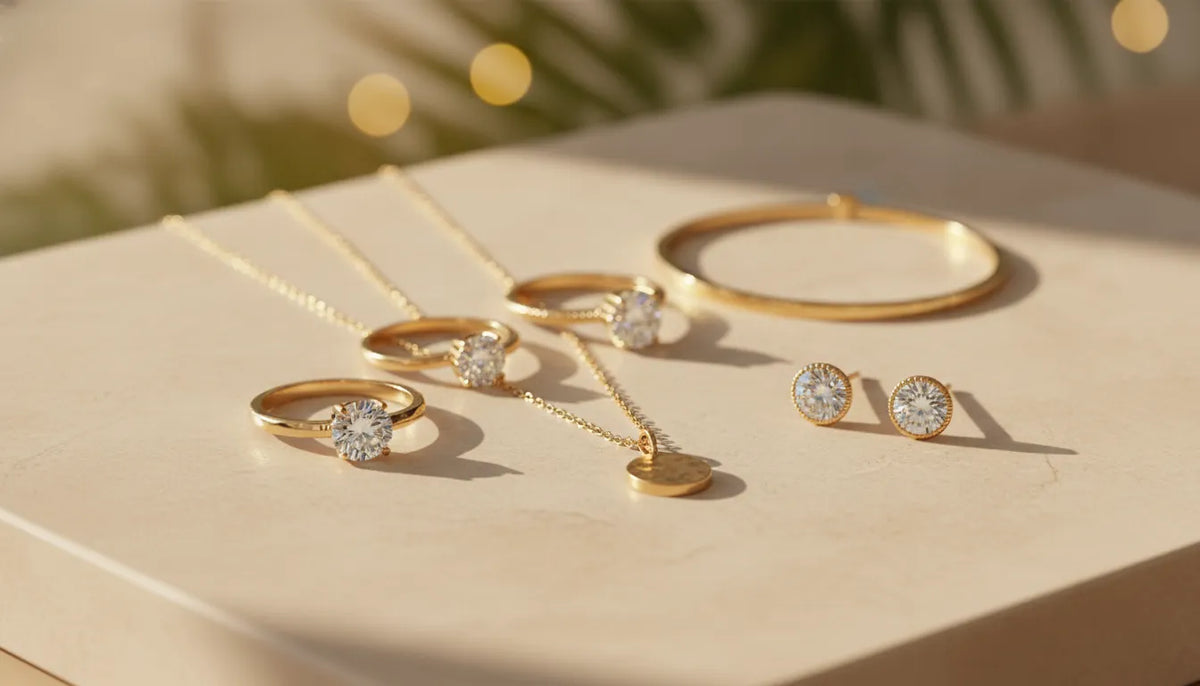
Fine jewelry can be an everyday signature, a personal milestone, or a future heirloom. You do not need to become a gemologist before you shop. You do need a repeatable process that moves from purpose to materials, construction, and service. Browse LUCE's earrings, necklaces, rings, and bracelets to compare how different forms work in real collections.
1. Start with how and why you will wear the piece
Before comparing metals or stones, define the job the jewelry needs to do. A piece for daily wear has different fit and durability priorities than a dramatic design reserved for events, while a gift may require more help with sizing and return flexibility.
- Daily signature: Look for a comfortable profile, secure fastening, and materials suited to frequent wear.
- Milestone piece: Give more weight to personal meaning, design longevity, documentation, and future service.
- Gift: Prioritize flexible sizing guidance, clear returns, and a retailer who can help you make a confident choice.
- Collection addition: Check whether the silhouette, metal tone, and scale add something new to pieces you already wear.
Write down where you expect to wear the piece, what clothing or other jewelry it needs to work with, and whether your priority is subtle polish or a visible statement. That short exercise keeps a visually appealing but impractical choice from becoming an expensive drawer resident.
2. Set a budget that protects the decision
A useful jewelry budget is a ceiling, not a target a salesperson should stretch. Decide what you can spend comfortably, then reserve room for the complete purchase experience, including sizing, care, insurance questions, or future repairs when relevant.
Compare value within your budget by asking what you are actually receiving: solid precious metal, disclosed gemstone details, considered construction, personal guidance, and a clear aftercare policy. A higher price is not automatically proof of better quality, and a low price is not automatically a bargain. The goal is a piece whose materials and workmanship make sense for how you plan to use it.
When comparing two pieces, keep the comparison fair. Put similar categories, metal karats, stone types, weights, dimensions, and construction side by side. Do not compare a delicate gold chain with a substantial diamond necklace simply because both are called necklaces.
3. Which metal should you choose?
Choose a metal by balancing color, gold content, strength, comfort, and maintenance with the way you intend to wear the piece. Ask for the karat and metal type in writing, and confirm whether the piece is solid, plated, filled, or finished over another material.
Gold karat and color
Karat describes the proportion of pure gold in an alloy. 18K gold contains 75 percent gold, while 14K gold contains about 58.5 percent gold, with the balance made from other metals. Higher karat can offer a richer gold character, while a lower karat alloy may provide a different balance of hardness and wearability. Neither is a universal winner.
Yellow, white, and other gold colors come from the alloy and finish. Compare the actual karat, surface treatment, and care instructions rather than choosing based only on a color name. LUCE's collection is built around solid precious materials, including 14K and 18K gold, rather than plated or vermeil construction.
Other precious metals
Platinum is a dense, naturally white precious metal that many buyers consider for pieces requiring a substantial feel. Sterling silver can be a thoughtful choice when its care needs and finish suit the wearer. Titanium is lightweight and can offer a distinctive option for selected designs. Always assess the specific piece, not just the reputation of a metal category.
4. How do you evaluate gemstone quality?
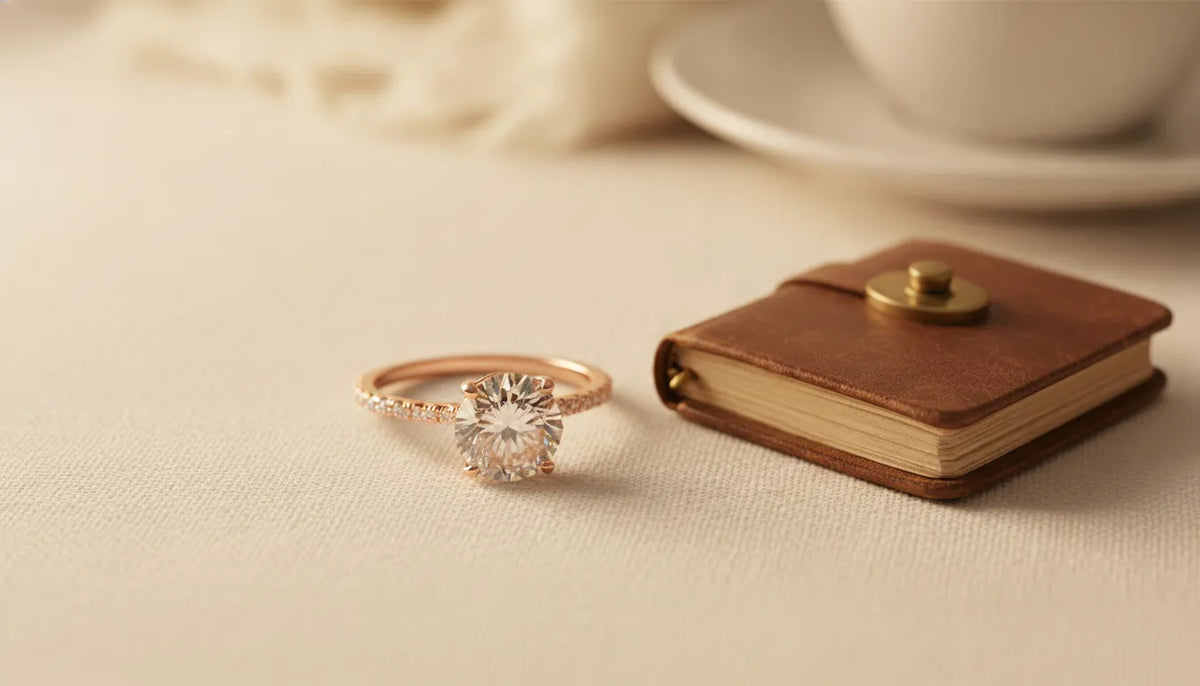
Gemstone quality depends on more than size. Evaluate the stone's type, color, cut or shape, clarity, durability, treatment disclosure, and relationship to the setting. For diamonds, use an independent grading report when one is appropriate to the stone and purchase.
For colored gemstones, look closely at hue, tone, saturation, transparency, surface condition, and visible symmetry. Ask whether the stone has been treated and whether that treatment changes its care requirements. A vivid, well-cut gemstone that suits the design can be more compelling than a larger stone with weak color or poor proportions.
For diamonds, the familiar 4Cs provide a shared vocabulary: cut, color, clarity, and carat weight. Cut affects how a diamond returns light, while carat weight describes mass, not a guaranteed visual size. You can learn the technical basics from a reputable gemological resource, then ask the retailer how those characteristics appear in the finished piece.
Also inspect the setting. A small diamond in a well-made bezel, pave, channel, or prong setting may be more wearable for your life than a larger stone in a construction that catches on clothing or feels insecure.
5. Check the fit, scale, and comfort
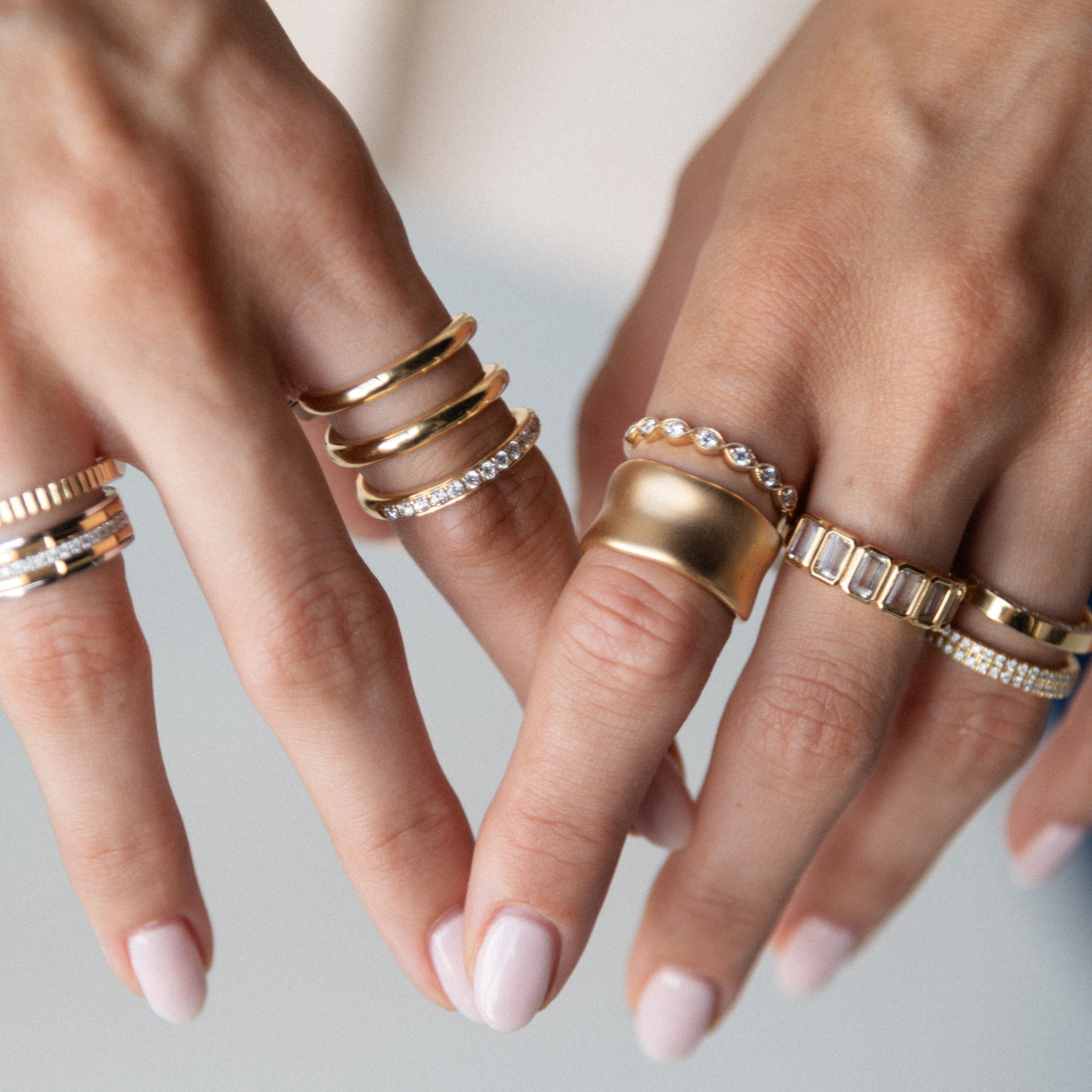
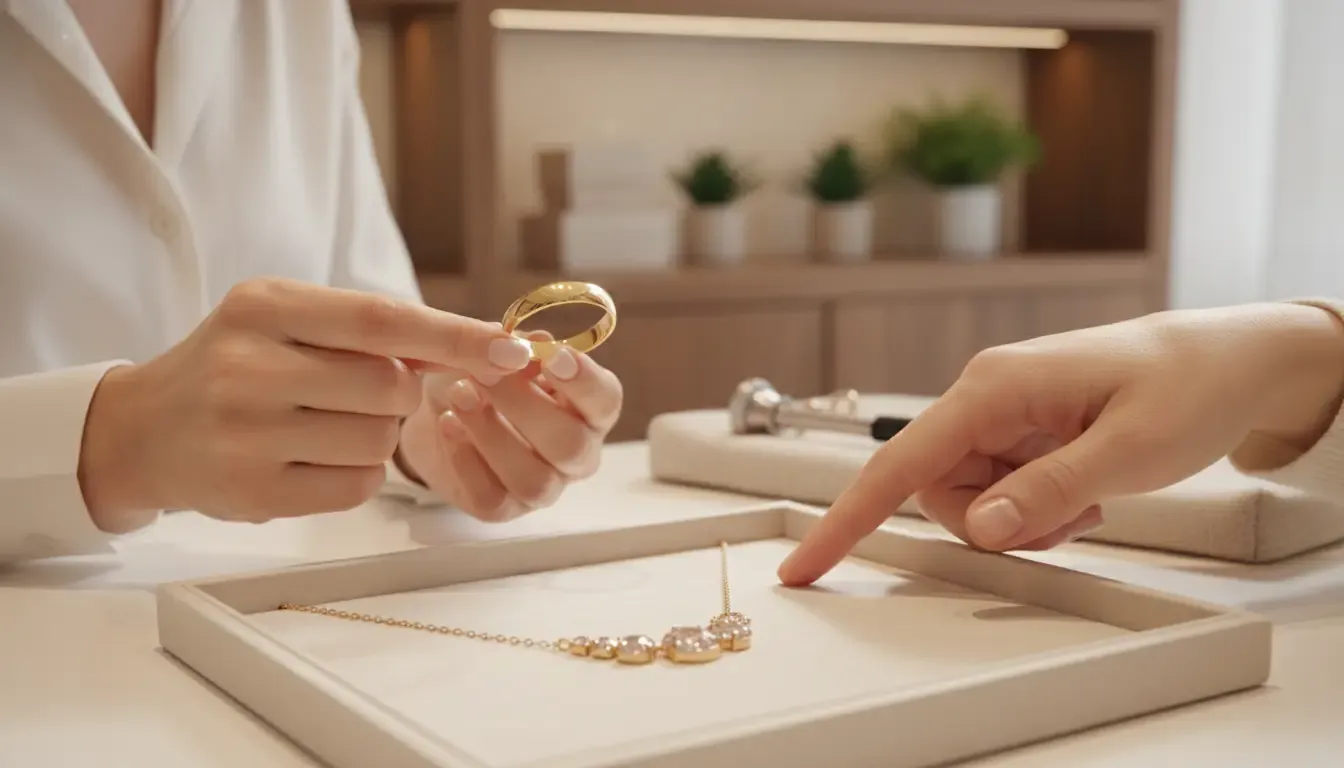
The best fine jewelry feels intentional on the body. Confirm ring size, bracelet length, necklace dimensions, earring weight, and the way the piece sits or moves before you buy. When shopping online, use the retailer's measurements and ask for guidance instead of judging scale from a product photograph alone.
- Rings: Confirm the size, band width, profile, and whether the design can be resized without compromising the setting.
- Bracelets: Check the finished length, closure security, movement, and whether the fit should be close or relaxed.
- Necklaces: Compare chain length and pendant scale with your usual necklines and layered pieces.
- Earrings: Consider post or closure security, balance, drop length, and weight for the hours you expect to wear them.
Ask whether the item is adjustable, stretch-based, clasped, or fixed. These construction details influence both comfort and future service. A piece that works with your real routine will deliver more value than one that only looks right in a single styled photograph.
6. What craftsmanship details should you inspect?
Craftsmanship is visible in the details that make a piece secure, balanced, comfortable, and serviceable. Look for even finishing, clean joins, smooth edges, aligned stones, secure closures, and a setting appropriate to the stone and design.
| Detail to inspect | What to ask | Why it matters |
|---|---|---|
| Setting | How is the stone held, and can the setting be inspected over time? | Good security protects the stone and supports future maintenance. |
| Clasp or closure | Does it close firmly and feel easy to operate? | A secure, usable closure reduces loss risk and daily frustration. |
| Edges and joins | Are the surfaces smooth and the connections clean? | Refined finishing improves comfort, durability, and appearance. |
| Proportion | Do the links, stones, band, and hardware feel balanced? | Balance affects how the jewelry wears, moves, and layers. |
| Serviceability | Can the piece be cleaned, sized, repaired, or restored? | Future service helps extend the useful life of the jewelry. |
Photography can hide scale and construction. If you are in West Palm Beach, a showroom visit can help you feel weight, examine finishes, and compare proportions in person. If you are buying online, request additional measurements or photographs when the listing does not answer a practical question.
7. How can you evaluate responsible sourcing?
Responsible sourcing is evaluated through specific, transparent answers, not broad labels. Ask what the retailer says about metals, diamonds, gemstones, packaging, and the product's full life cycle, then look for details you can understand and compare.
Useful questions include:
- What type of metal is used, and where does the retailer source it?
- Does the retailer use recycled or responsibly sourced metal where possible?
- Are natural and lab-grown diamonds clearly identified?
- Are gemstone treatments disclosed when they affect care or value?
- What does the retailer do to support repair, restoration, or long-term wear?
Transparency does not mean every piece will have the same material story. It means you can understand the choices and decide whether they align with your values. LUCE explains its approach to recycled and responsibly sourced materials, diamonds, packaging, and lifecycle thinking on its sustainability page.
Prefer a piece shaped around your style and priorities? Explore LUCE custom design consultations.
8. What should you ask a jewelry retailer?
A trustworthy retailer makes the important information easy to find and welcomes sensible questions. Before buying, confirm the exact materials, gemstone details, measurements, care recommendations, warranty, return window, shipping process, and the support available after delivery.
For a significant diamond or gemstone purchase, ask what documentation accompanies the piece and who prepared it. For a custom design, ask how decisions, revisions, timing, and costs are explained before production begins. LUCE's custom design process starts with a conversation, moves through concept and gemstone selection, and provides a transparent cost estimate before production.
Retailer trust also has a practical local dimension. Look for a real business address, clear contact options, a consistent service experience, and evidence that the retailer intends to support the piece after checkout. LUCE's West Palm Beach showroom is located at 985 North Railroad Avenue in the NORA District, and its family jewelry heritage connects the modern brand to Kravit Jewelers.
9. Compare pieces without relying on hype
Use a simple comparison grid so adjectives do not substitute for evidence. Record the same facts for each option, then identify which differences actually matter for the way you will wear it.
| Comparison point | Record for each piece |
|---|---|
| Purpose | Daily wear, milestone, gift, or collection addition |
| Materials | Metal type, karat, solid or surface-treated construction |
| Gemstones | Type, shape, quality details, treatments, and documentation |
| Fit | Size, length, weight, closure, and comfort considerations |
| Craftsmanship | Setting, joins, finishing, symmetry, and serviceability |
| Policies | Returns, warranty, care, shipping, and post-purchase support |
| Personal value | Whether you will wear it often and still recognize your style in it |
Do not let a name, trend, or dramatic claim make the comparison for you. Ask which piece has the clearest information, the most appropriate construction, and the strongest fit for your life. Quality is a complete picture, not one impressive specification.
10. Understand returns, warranty, and care before checkout
Policies are part of the purchase, especially when you are shopping online or buying a future heirloom. Read the return period, refund or store-credit terms, warranty coverage, shipping requirements, resizing conditions, and care guidance before you place the order.
Fine jewelry still needs thoughtful care. Store pieces separately to reduce scratching, follow the retailer's instructions for gemstones and finishes, and remove jewelry for activities that could expose it to impact, chemicals, or unnecessary wear. Schedule professional inspection or cleaning when the design or retailer recommends it, and address a loose stone, stretched link, or failing clasp promptly.
LUCE offers a 10-day full refund policy, a 30-day store-credit option, and a 1-year craftsmanship warranty according to its customer information. Review the current delivery and returns details for the terms that apply to your order.
Your fine jewelry buying checklist
Before you buy fine jewelry, you should be able to answer seven questions: Why will I wear it? Is the budget comfortable? What exactly are the materials? What do I know about the gemstones? Does the fit suit me? Can I see evidence of careful construction? What support does the retailer provide after checkout?
- Define the purpose and expected frequency of wear.
- Set a comfortable spending ceiling.
- Confirm the metal type, karat, and construction.
- Review gemstone details, treatments, and documentation.
- Verify size, dimensions, weight, and closure or setting security.
- Compare craftsmanship and serviceability, not just appearance.
- Read returns, warranty, shipping, and care policies before checkout.
Frequently asked questions
What should I look for when buying fine jewelry?
Look for clearly disclosed precious metals, genuine gemstone details, secure construction, a comfortable fit, transparent sourcing information, and a retailer with understandable returns, warranty, care, and service policies. The best choice is the piece whose quality and design match how you will actually wear it.
How can you tell if jewelry is real gold?
Start with the seller's written disclosure of metal type and karat, then inspect any hallmark or documentation without treating a mark as the only proof. Ask whether the piece is solid, plated, or filled, and choose a retailer willing to explain the material and provide service information.
What is the best gold karat for everyday jewelry?
There is no single best karat for everyone. 14K gold offers a different balance of gold content and alloy strength than 18K gold, which contains a higher proportion of pure gold. Compare the karat, design, finish, lifestyle, and care guidance together.
Is it better to buy fine jewelry online or in person?
Either can work when the retailer provides complete measurements, material disclosures, detailed imagery, secure checkout, clear returns, and responsive support. In-person shopping adds the ability to feel weight and see scale directly, while online shopping makes browsing and comparison easier.
What makes fine jewelry a future heirloom?
A future heirloom combines durable materials, thoughtful construction, a design that remains personally meaningful, and access to care or repair. Its value is not only financial. It is also the story, wearability, and relationship built around the piece over time.