Lab Grown Diamond vs Natural Diamond: A Complete Comparison Guide
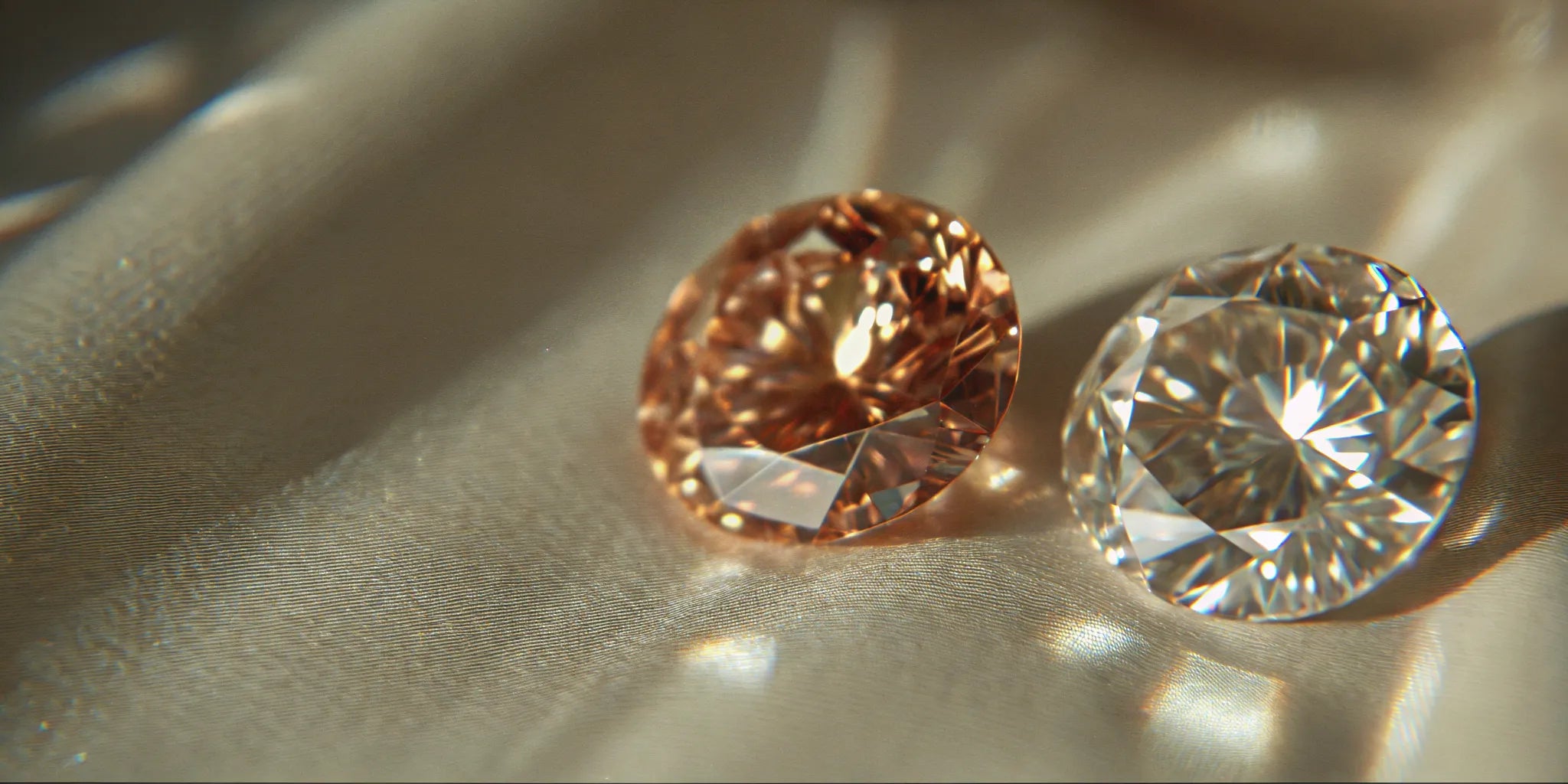
Lab-grown and natural diamonds are chemically, physically, and optically identical. Both are pure carbon crystallized in the isometric cubic system, giving them the same brilliance, fire, and hardness. The Federal Trade Commission defines both as diamonds. The key differences are origin, rarity, price, and resale value. Lab-grown diamonds cost 70 to 85 percent less than natural diamonds of comparable quality, but natural diamonds retain their value over time. At LUCE Jewelry in West Palm Beach, we offer both options and guide each client to the choice that fits their unique needs and preferences.
What Are Natural Diamonds?
Natural diamonds are one of the most rare gifts from the Earth. These stones form deep below the ground over vast spans of time. When you look at a natural stone, you see a piece of history that is billions of years old. At LUCE, we bring a 97-year legacy as diamond pros to help you find the right fit for your needs.
A billion-year journey
The story of a natural diamond starts in the mantle of the Earth. Most of these stones formed between 1 and 3 billion years ago. They grow under great heat and pressure about 100 miles below the surface. As noted by the American Gem Society, deep volcanic pipes later bring these stones to the top. This rare event allows us to find and mine them today.
This long process is what sets a natural stone apart in the lab grown diamond vs natural diamond debate. While lab stones grow in weeks, natural ones take eons to form. This age and where they come from add a deep sense of wonder to every piece of fine jewelry. It makes them feel like a true link to the past.
The science of carbon
Even with their different paths, both types of stones share the same DNA. A natural diamond is pure carbon set in a tight crystal shape. This makes it the hardest matter on the planet. You can get the same strength from both options since they are both pure carbon. Here are the key facts about diamond science:
- Both rank as a 10 on the Mohs scale for hardness.
- Both are graded using the same four Cs: cut, color, clarity, and carat.
- Both have the same sparkle and light play when cut well.
Modern tech now lets us make stones in a lab. These gems use high heat and pressure to mimic the Earth. This process makes stones that look and act like natural ones. But for many, the rarity of a stone that came from the ground is what matters most. It is why many people still choose a natural gem for their most vital pieces.
Classic value and heirlooms
Natural diamonds have a long track record of holding their value. They are finite, meaning the Earth only has a certain amount. This rarity makes them a top choice for those who want to pass jewelry down. Many of our clients in West Palm Beach look for pieces that will become future heirlooms. They want a stone that carries a story and lasting worth.
Our team at LUCE comes from a fourth-generation legacy of jewelers. We started in 1927 and have seen how trends change. Yet, the love for a natural stone remains strong. If you are designing an engagement ring with your own diamond, we can help you set it in a way that honors its past. You can also use our custom engagement ring service at LUCE to build something new. We treat every stone with the care it deserves.
What Are Lab-Grown Diamonds?
Lab-grown diamonds are real diamonds that experts create in a lab rather than being mined from the earth. They grow in a few weeks but share the same traits as mined stones. The FTC defines these stones as diamonds because they consist of pure carbon. For those designing an engagement ring with your own diamond, these stones offer a way to get a larger stone. You can get more for a lower price.
The Science of Modern Diamonds
In a lab, experts use two main ways to grow these gems. These are High Pressure High Temperature (HPHT) and Chemical Vapor Deposition (CVD). Both ways use heat and pressure to form stones that have the same crystal build and sparkle as natural diamonds. The result is a stone that is the same as a natural diamond in every way.
Because they are the same thing, lab-grown diamonds are just as tough as natural ones. They both rank as a 10 on the Mohs scale, which is the top score for any gem. This makes them a great choice for pieces you wear every day. You do not have to worry about them scratching or losing their shine. They are built to last for years as future heirlooms.
How Lab Stones Compare to Natural Ones
Natural diamonds form about 150 to 200 km deep in the Earth. This process takes between 1 and 3 billion years. Volcanoes then bring them to the surface where people can find them. In contrast, a lab can make a high-grade stone in a few weeks. While the start is other, the final product is the same. Both types use the same "4 Cs" system for grading.
One of the biggest draws of lab diamonds is the cost. They usually cost about 70 to 90 percent less than natural stones of the same grade. This lets couples buy a much larger stone for their budget. But there is a trade-off when it comes to long-term value.
Natural diamonds often keep about 25 to 50 percent of their first cost. Lab-grown stones often have very little resale value. This is because they can be made in large numbers. Many buyers see lab stones as a "wear it and love it" choice rather than a store of value.
A Real Diamond by Definition
To the naked eye, they look the same as natural diamonds. Even a skilled jeweler needs special tools to tell them apart. They are not like fake gems, which have other chemical builds. A lab diamond is a real diamond in every way that matters for beauty and strength. It is simply a choice of which start fits your life and your goals best.
At LUCE, we offer both natural and lab-grown stones. We believe in giving you the facts so you can make the best choice for your needs. Whether you want a rare natural stone or a modern lab gem, we can help you. Visit our West Palm Beach showroom to find the right fit. We focus on high grade and care for every stone we sell.
Lab Grown Diamond vs Natural Diamond: Key Differences at a Glance
You may wonder how lab-grown diamonds differ from natural ones. Both are real diamonds. They look the same to the eye and have the same strength. But they differ in price, rarity, and resale value. At LUCE, we offer both types to give you more choice.
Price and Value Gaps
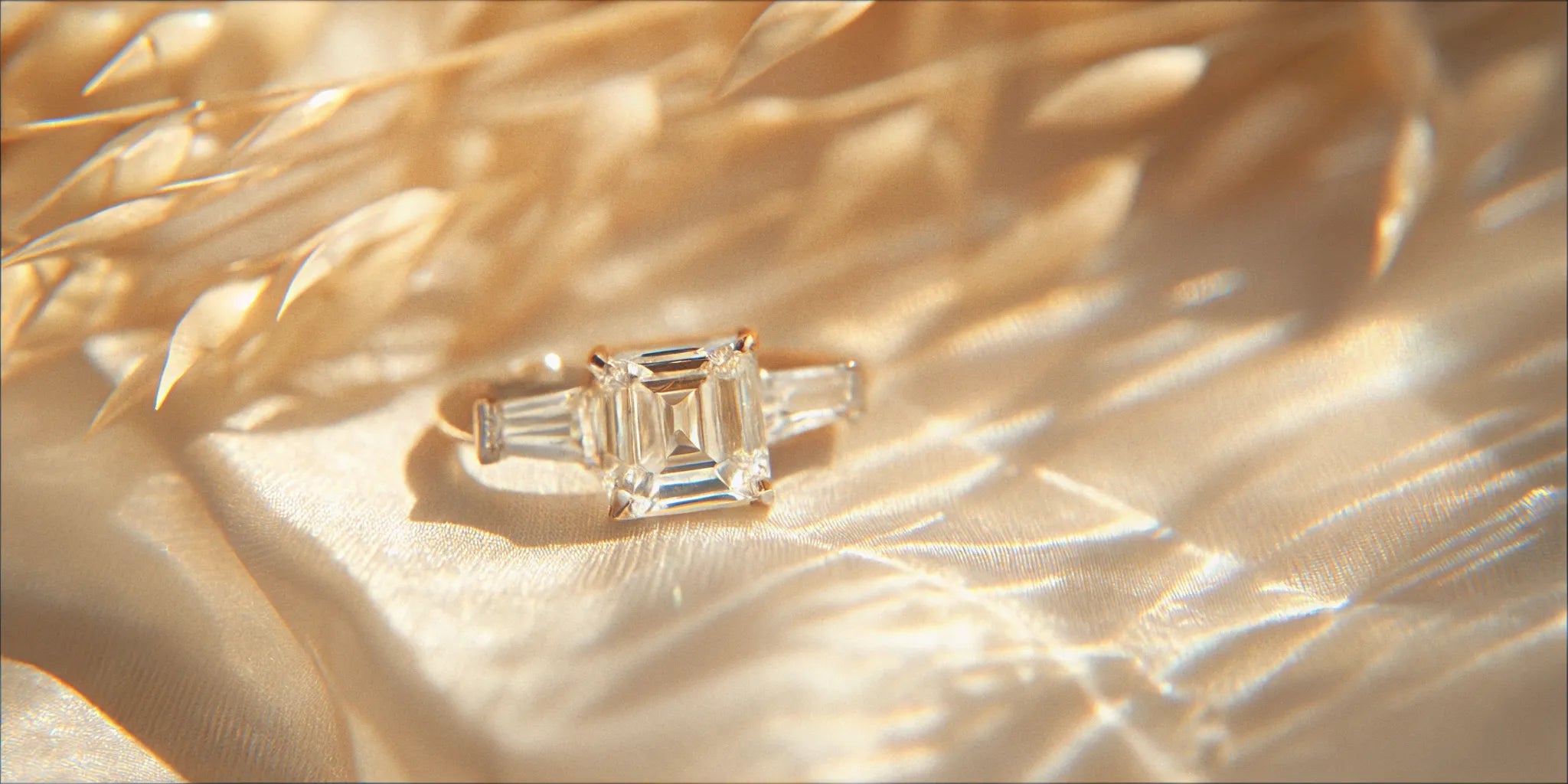
The most noted gap is the cost. Lab-grown diamonds cost about 70-90% less than natural stones. A lab diamond price is lower because we can make them in a lab. Natural diamonds take billions of years to form deep in the Earth. This rarity keeps their price high. If you want a large emerald cut diamond, lab-grown stones cost much less.
Lab-grown prices have dropped fast lately. They fell about 96% since 2018. Prices for these stones keep falling today. This makes them a smart way to get a large stone for less money. Natural diamonds hold their value better over time. They are often seen as a store of wealth for your family.
How They Form
Natural diamonds form 150-200 km deep in the Earth. They take 1-3 billion years to grow. Volcanic eruptions bring them to the surface. Lab diamonds are made in a few weeks. Scientists use high pressure and heat to grow them. Both have the same pure carbon structure. This means they are the same in every way that matters.
Impact on Earth
Making lab diamonds takes a lot of power. It uses about 215 kWh per carat. This can produce one tonne of carbon. Natural diamonds also have an impact on the Earth through mining. At LUCE, we work to stay carbon negative. We use recycled gold to reduce our footprint even more.
Resale and Heirloom Worth
Natural diamonds hold their value well. They often keep 25-50% of what you paid for them. This makes them a strong choice for family heirlooms. Lab diamonds have very little resale value now. Most people buy them to wear and love. They are not seen as a long-term way to hold wealth like natural stones.
When you choose a diamond, think about your goals. Some buyers want the rarity of an Earth-mined gem. Others love the tech and value of a lab-grown stone. Our team in West Palm Beach can help you weigh these facts. We focus on skilled design to fit your life.
| Factor | Lab-Grown Diamond | Natural Diamond |
|---|---|---|
| Origin | Made in a lab in weeks | Formed in Earth over billions of years |
| Price | 70-90% lower cost | Higher premium price |
| Resale Value | Minimal to none | 25-50% of original cost |
| Hardness | Mohs 10 (very hard) | Mohs 10 (very hard) |
| Grading | Same 4 Cs system | Same 4 Cs system |
| Impact on Earth | High energy use | Mining footprint |
How Does Sustainability Factor Into the Diamond Decision?
Buying a diamond is a major life event. Most people now think about the planet when they shop. The choice between a lab grown diamond vs natural diamond often comes down to values. It is not a simple case of right or wrong. Both types have unique impacts on the world around us. At LUCE, we believe in being open and clear. We want to give you the data you need to make the best choice. Our goal is to provide a balanced look at how your stone is made.
Energy use in the lab
Lab diamonds are made in a high-tech machine. This process skips the need to dig deep mines. This saves a lot of land and water. But these machines need a massive amount of power to work. It takes about 215 kWh of energy to create one carat of diamond. This produces about one tonne of carbon emissions. The total impact depends on where the power comes from. Labs that use wind or sun power have a low footprint. Others may use fossil fuels, which keeps the carbon impact high. We look for partners who care about clean energy.
Ethical mining and natural stones
Natural diamonds grow deep in the earth over billions of years. Getting them to the surface takes a lot of work. Mining can disrupt local wildlife and the soil. But natural mines also provide many jobs in areas that need them. Most natural stones now follow the Kimberley Process. This system helps keep conflict diamonds out of the supply chain. We work with trusted partners to find stones that are sourced in a fair way. Studies of diamond production methods show that both mining and lab growth have trade-offs. We help you weigh these facts so you can choose with peace of mind.
How LUCE stays carbon negative
We want to lead the way in green jewelry. That is why LUCE is proudly carbon negative. We track all of our carbon emissions. Then, we buy carbon credits to offset 100% of that impact. We even add another ten percent to be sure we are doing our part. We also focus on using recycled gold for our fine jewelry. Common gold mining has a big effect on nature. Recycled gold has 99.9% less impact on the earth. Whether you are designing an engagement ring with your own diamond or buying a new gem, we offer choices that fit your style.
Which Diamond Is Right for You?
Choosing between a lab-grown diamond and a natural stone is a personal choice. At LUCE, we believe there is no wrong answer. Your choice often comes down to your budget, your values, and how you view rarity. As fourth-generation jewelers, we are here to help you weigh these facts to find the best stone for your bespoke engagement ring.
The case for natural diamonds
Natural diamonds carry a deep sense of history. These stones formed over 1 to 3 billion years ago deep in the Earth. Many people choose natural diamonds for their rarity and long-term value. Based on facts from the American Gem Society, these stones reach the surface through rare volcanic events. This makes each one a finite part of Earth's history. If you want a stone that acts as a store of value, a natural diamond is a classic choice.
Why many choose lab diamonds
Lab-grown diamonds offer a modern way to get a larger stone for a lower price. These diamonds cost 70% to 90% less than natural stones of the same grade. This price gap lets many couples buy a larger center stone while staying in their budget. Lab diamonds are the same as natural ones in every physical way. They are great for those who want to wear and love their jewelry without the high cost of rarity. You can see these options when you browse our engagement ring collection online or in person.
Expert help in West Palm Beach
The best way to decide is to see both types of diamonds side by side. Our team at LUCE provides expert help to pick the right stone for your needs. We help you compare the sparkle, size, and cost of each stone in a calm space. Visit our showroom in the West Palm Beach NORA District to see our full range. We can also help you with choosing an emerald cut diamond or any other shape you like.
Frequently Asked Questions About Lab-Grown and Natural Diamonds
Are lab-grown diamonds real diamonds?
Yes, lab-grown diamonds are real diamonds. The Federal Trade Commission (FTC) defines a diamond as "a mineral consisting essentially of pure carbon crystallized in the isometric cubic system." Lab-grown diamonds meet this definition exactly. They have the same chemical composition. Crystal structure, and physical properties as natural diamonds. The only difference is their origin: one formed deep in the Earth over billions of years, the other created in a laboratory over weeks. A trained gemologist may need advanced testing equipment to tell them apart.
How much cheaper are lab-grown diamonds compared to natural diamonds?
Lab-grown diamonds typically cost 70 to 85 percent less than natural diamonds of comparable size, cut, color, and clarity. This means a lab-grown diamond of the same quality as a $10,000 natural diamond might cost between $1,500 and $3,000. For the same budget, a lab-grown diamond can be two to three times larger than its natural counterpart. However, natural diamonds tend to retain their value over time, while lab-grown diamonds currently have a very limited resale market.
Can you tell the difference between a lab-grown and natural diamond?
To the untrained eye, lab-grown and natural diamonds are virtually indistinguishable. They share the same brilliance, fire, and scintillation. Both rank 10 on the Mohs hardness scale. A trained gemologist may be able to spot subtle differences under magnification. But definitive identification typically requires advanced testing equipment that analyzes trace elements, fluorescence patterns, or growth structures. Jewelers use specialized instruments to distinguish the two and always disclose a diamond's origin on grading reports.
Do lab-grown diamonds hold their value?
Lab-grown diamonds currently have minimal resale value compared to natural diamonds. The secondary market for lab-grown diamonds is very limited, and prices have been declining as production scales up. Natural diamonds, by contrast, have an established resale market supported by centuries of rarity and demand. That said, many buyers choose lab-grown diamonds not as financial investments but as beautiful, affordable stones for everyday wear. Both types can be insured, reset into new settings, and passed down as meaningful heirlooms.
Which is more ethical: lab-grown or natural diamonds?
There is no simple answer. Lab-grown diamonds avoid the environmental and social impacts of mining, but their production requires approximately 215 kilowatt-hours per carat, generating roughly one tonne of CO2. Natural diamonds, when sourced through the Kimberley Process and responsible mining partners, can support communities and fund conservation. The most ethical choice depends on your priorities. At LUCE, we offer both options alongside recycled gold and a commitment to carbon-negative operations, so you can choose the path that aligns with your values.
Ready to schedule a personal consultation at LUCE Jewelry?
Waiting to start your diamond search can lead to a rushed choice or missing a stone that matches your unique style and budget perfectly. If you act now, you give yourself time to compare natural and lab-grown stones in our showroom without any pressure before your big event. Our team uses four generations of family expertise to help you find a beautiful piece that you will feel proud to wear for a lifetime. You can walk away with a clear plan and the perfect future heirloom to mark your special date or gift.
Ready to schedule your visit today? Call (561) 223-9591 to schedule a personal consultation at LUCE Jewelry in West Palm Beach.