How to Choose Natural Pear Diamond Earrings
Fine jewelry is more than just an accessory; it’s an investment in beauty and a piece of your legacy. The pear diamond, with its elegant and enduring teardrop shape, is a style that transcends trends. Its unique form, combining the sparkle of a round brilliant with the graceful point of a marquise, makes it a captivating choice. When you select pear diamond earrings, natural stones bring with them an incredible story of time and rarity. This inherent value makes them a meaningful foundation for a future heirloom. At Luce, we believe in crafting pieces that last a lifetime, and a beautiful pair of natural pear diamonds is a perfect start.
Key Takeaways
- Prioritize the Cut Over Other Cs: For a pear diamond, a beautiful cut and perfect symmetry are what create that graceful teardrop shape and incredible sparkle. This is more critical than aiming for flawless clarity or colorless grades, giving you the most visual impact.
- Define Your Style with Settings and Metal: The right setting and metal choice make the earrings uniquely yours. A classic prong setting maximizes sparkle, while a modern bezel offers a sleek look, and your choice of yellow gold or platinum completes the earring's personality.
- Choose a Diamond with a Story You Love: Whether you prefer the timeless rarity of a natural diamond or the innovative value of a lab-grown one, the choice is personal. Both are real diamonds, so you can select the origin that best aligns with your budget and your values.
What's So Special About Pear Diamond Earrings?
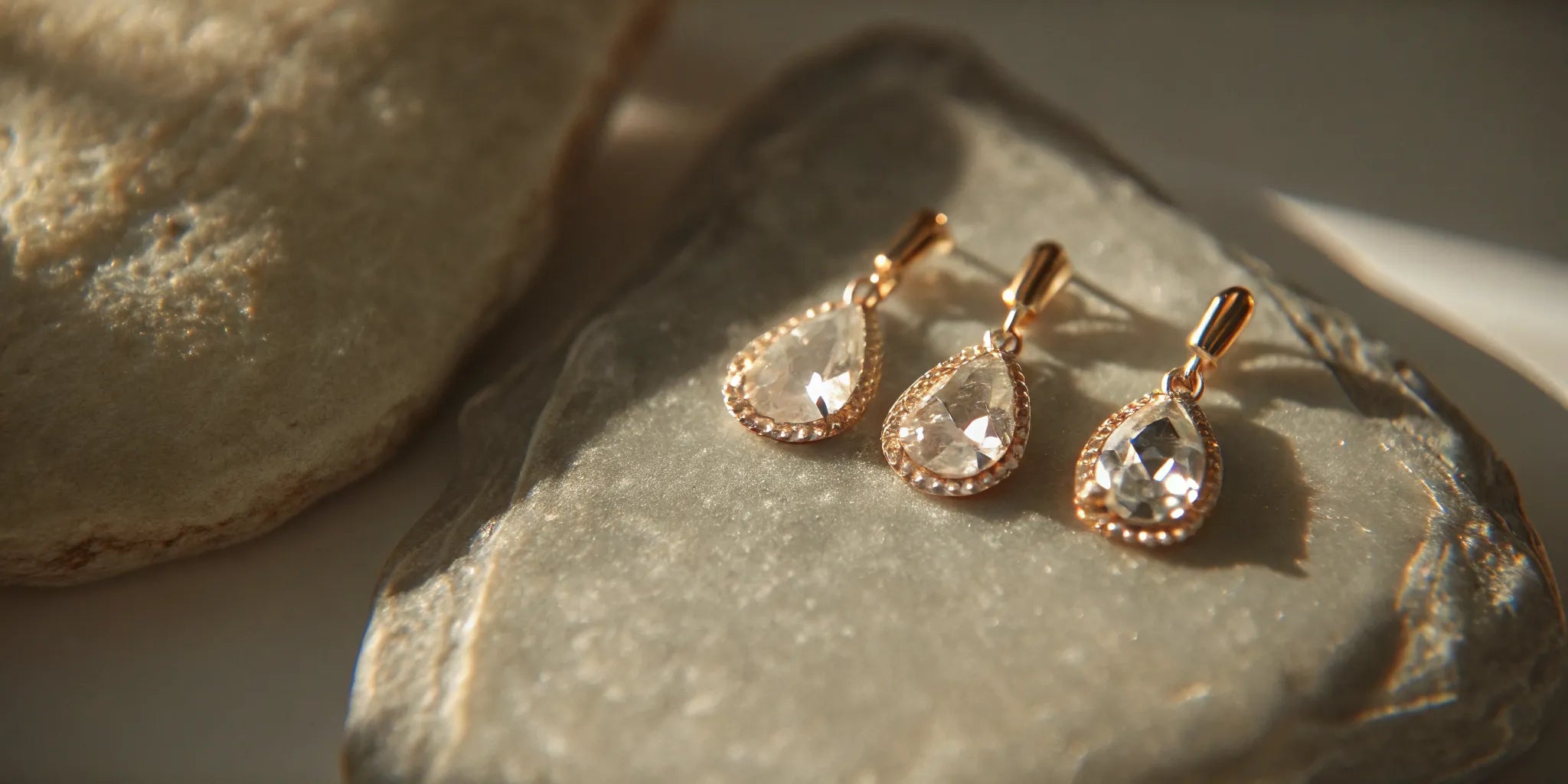
If you’re looking for earrings that feel both classic and completely modern, the pear diamond is a perfect choice. This elegant teardrop shape has a unique charm that stands out from the crowd of simple round or square cuts. It combines the beautiful sparkle of a brilliant-cut diamond with the graceful, elongated look of a marquise, creating a silhouette that’s both soft and striking. It’s a versatile shape that works beautifully in everything from simple studs to dramatic drop earrings, making it a favorite for those who appreciate timeless style with a personal twist.
The beauty of a pear diamond lies in its asymmetry. It’s a shape that feels dynamic and full of personality. When worn as earrings, pear diamonds have a wonderful way of framing the face and catching the light with every turn of your head. Whether you’re dressing up for a special night out in West Palm Beach or adding a touch of luxury to your everyday look, pear diamond earrings offer a sophisticated statement that’s uniquely you. They are the kind of piece you’ll reach for again and again, eventually becoming a treasured heirloom.
Breaking Down the Pear Shape
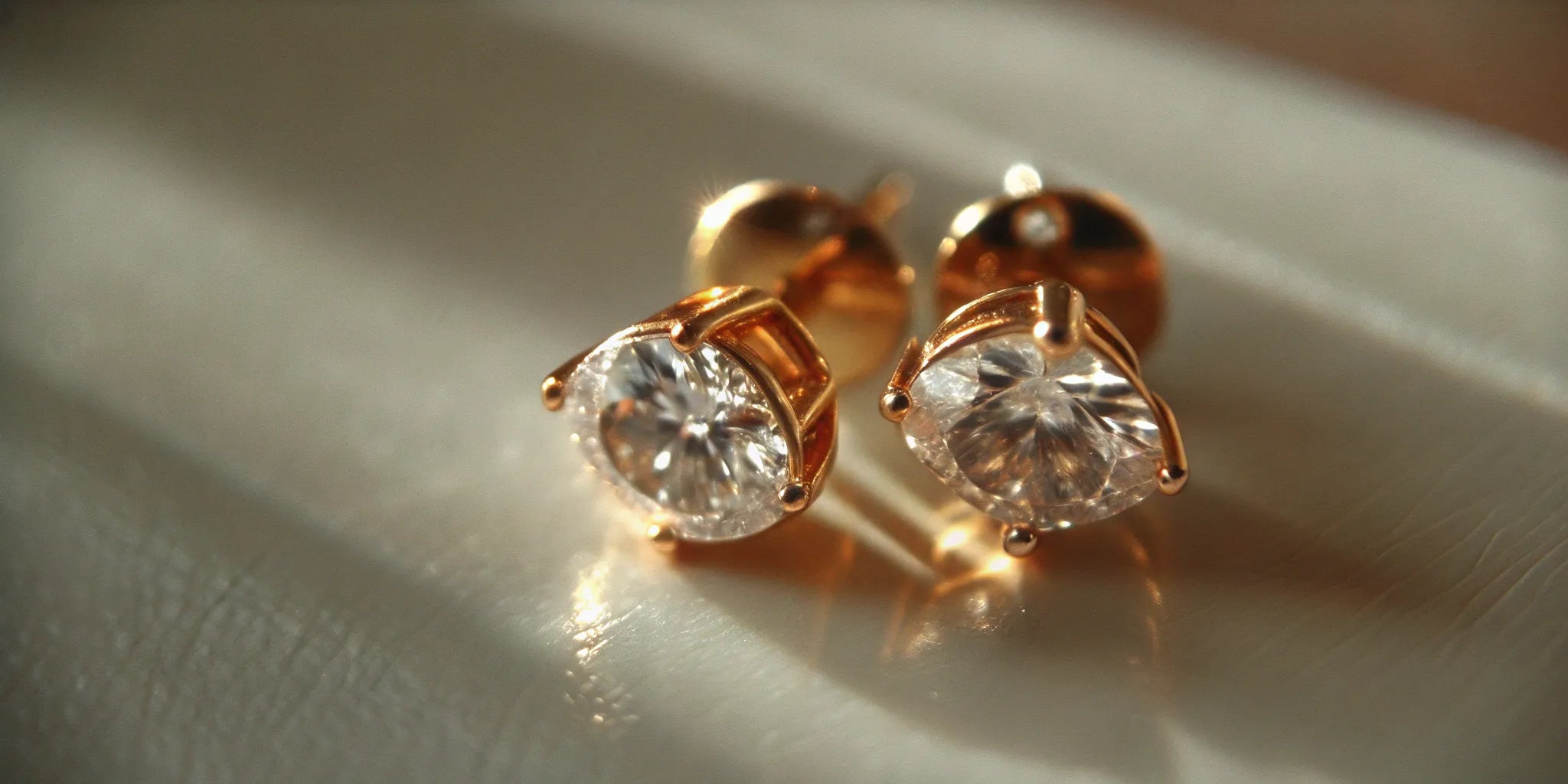
So, what exactly is a pear-shaped diamond? Think of it as a teardrop, with one perfectly rounded end and one sharp, pointed tip. This distinctive cut doesn't have a one-size-fits-all look. Some pear diamonds are fuller and softer, with a wider, more rounded bottom. Others are longer and more slender, creating a dramatic, pointy silhouette. This variation is part of their appeal, as it allows you to find a shape that truly speaks to your personal style. This hybrid cut gives you the best of both worlds: the fire and brilliance of a round diamond and the unique character of a fancy shape.
Why the Teardrop Shape Flatters
One of the best things about pear diamond earrings is how incredibly flattering they are. The elongated teardrop shape has a lengthening effect, gracefully drawing the eye downward and complementing your jawline. Many people also find that pear diamonds appear larger than other diamond shapes of the same carat weight, giving you more visual impact. This is especially true when they are set in drop or dangle styles that allow them to move freely. When you design a custom pair, you can create earrings that not only sparkle but also enhance your features beautifully.
Debunking Pear Diamond Myths
You may have heard that pear diamonds can be tricky, and it’s true that not all are created equal. Because they aren't a simple, symmetrical shape, their proportions matter a great deal. A poorly cut pear can look short and stubby or too stretched out with flat-looking sides. The key is to look for excellent symmetry. The pointed tip should align perfectly with the center of the rounded end, and both sides should have a soft, uniform curve. Working with a trusted jeweler ensures you’ll find a beautifully proportioned stone, avoiding any inconsistencies and finding a pair of earrings with maximum elegance and sparkle.
The 4Cs of Pear Diamonds: What to Focus On
When you're choosing any diamond, the 4Cs (cut, color, clarity, and carat) are your guide to quality. But for a uniquely shaped stone like a pear diamond, some Cs matter more than others. Think of the 4Cs as a starting point, not a final grade. The pear’s combination of a rounded end and a sharp point means that certain characteristics, especially the cut, have a huge impact on its overall beauty. A poorly cut pear can look dull or unbalanced, while a beautifully cut one has a fire and elegance that’s hard to match.
Understanding how to prioritize the 4Cs will help you find a stunning pair of earrings that you’ll love for years to come. Instead of getting caught up in finding a "perfect" diamond on paper, you can focus on what actually makes a pear diamond look incredible in person. This is especially true for earrings, where the stones are seen in motion and from a slight distance. The goal is to find a pair that is brilliant, balanced, and full of life. We’ll walk through what to look for in each category, so you can feel confident as you explore our earrings and find your perfect match.
Why Cut and Symmetry Are Key
For a pear diamond, the cut is everything. It determines not only the stone's sparkle but also its entire shape and personality. Unlike round diamonds, which have standardized cut grades, pear shapes can be inconsistent. Some are short and wide, while others are too long and thin. The sweet spot is a stone with gently rounded shoulders and wings that form an attractive arch.
Symmetry is just as important. The two sides of the diamond should be a perfect mirror image of each other, with the point lining up exactly with the center of the rounded end. This balance is what gives the pear its graceful appearance. A great cut also minimizes the "bowtie effect," a dark shadow that can appear across the center of the stone, ensuring your diamond jewelry has brilliant sparkle from every angle.
Finding the Right Color
Color is often a matter of personal preference, but it’s something to pay close attention to in a pear shape. Because color can concentrate at the pointed tip, it may be more noticeable than in a round diamond. The GIA grades diamond color on a scale from D (colorless) to Z (light yellow or brown). For a bright, beautiful look that offers great value, I usually recommend looking in the G to J color range. These diamonds appear nearly colorless to the naked eye.
The metal you choose for your setting also plays a role. A yellow gold setting can make a diamond with a hint of warmth look even whiter, while a white gold or platinum setting will highlight the stone's true color. This is where custom design becomes so valuable, allowing you to pair the perfect stone with the perfect metal.
What to Look for in Clarity
Clarity refers to the tiny, natural imperfections, or inclusions, within a diamond. The good news is that the brilliant faceting of a pear shape is excellent at hiding them. This means you don’t need to pay a premium for a flawless stone to get a gorgeous pair of earrings. Instead, focus on finding a diamond that is "eye-clean," meaning you can't see any inclusions just by looking at it.
You can often find eye-clean diamonds in the VS (Very Slightly Included) and SI (Slightly Included) clarity grades, which gives you amazing value. The main thing to watch for is any large inclusions located near the pointed tip, as this is the most delicate part of the stone. When you browse different rings and other pieces, you'll see how well-cut diamonds can mask these minor characteristics.
Understanding Carat Weight vs. Size
Here’s a little secret: pear diamonds tend to look larger than other diamond shapes of the same carat weight. Carat is a measure of weight, not visual size, and the pear’s elongated shape gives it a larger surface area. This creates a flattering, eye-catching look that gives you more visual impact for your investment. It’s one of the reasons teardrop diamond earrings are such a popular and impactful style.
This means you can choose a slightly smaller carat weight without sacrificing the "wow" factor, making it a smart and stylish choice. Whether you prefer a subtle stud or a dramatic drop earring, the pear shape delivers a beautiful presence. You can explore our collection of necklaces to see how different carat weights translate into stunning, wearable art.
What Setting Styles Work Best for Pear Diamond Earrings?
Choosing a setting for your pear diamond earrings is about more than just security; it’s about defining their entire personality. The right setting can highlight the diamond’s unique teardrop shape, maximize its sparkle, and reflect your personal style. Whether you lean toward timeless elegance, modern simplicity, or a dramatic statement, there’s a perfect setting waiting for you. Let’s look at some of the most popular and flattering options for pear-shaped diamonds.
Classic: Prong and Martini Settings
For a timeless look that puts the diamond front and center, you can’t go wrong with a prong or martini setting. A prong setting uses tiny metal claws to hold the diamond securely in place. This minimalist approach allows the maximum amount of light to enter the stone from all angles, creating incredible brilliance and fire. For a pear shape, a V-shaped prong is often used to protect the delicate pointed tip. The martini setting is a stylish variation with three prongs that creates a cone shape, allowing the earring to sit very close to the earlobe for a comfortable, classic look. These settings are perfect for showcasing the pure beauty of your earrings.
Modern: Half Bezel Settings
If your style is more contemporary, a half bezel setting offers a sleek and sophisticated alternative. Instead of prongs, this setting features a thin metal frame that partially encloses the diamond, typically along its wider, curved edges. This creates a clean, modern look that beautifully traces the outline of the pear shape. A half bezel provides excellent protection for the diamond, making it a durable choice for everyday wear. It’s a fantastic way to get a custom, architectural feel while ensuring your diamond remains the star of the show. This style offers a beautiful balance of security and modern design, something we love to explore in our custom designs.
Statement Makers: Drop, Dangle, and Halo
To truly turn heads, consider a setting that adds movement or extra sparkle. Pear diamonds are especially stunning in drop or dangle styles, where the diamond hangs just below the earlobe. This allows the stone to move freely, catching the light with your every turn and accentuating its elegant teardrop form. In fact, many people find that pear diamonds appear larger in a dangle earring. For ultimate glamour, a halo setting surrounds the center diamond with a frame of smaller pavé diamonds. This not only adds a serious dose of sparkle but also creates the illusion of a much larger center stone, making for a truly breathtaking statement piece.
Choose the Right Metal for Your Earrings
Choosing the right metal for your pear diamond earrings is like picking the perfect frame for a piece of art. The metal does more than just hold the diamond; it defines the earring's entire personality, affects its durability, and complements your skin tone. Your choice will influence the overall style, from timeless and classic to sleek and modern. Think about your personal style and how you plan to wear your earrings. Are they for everyday luxury or special occasions? The answer will guide you toward a metal that can handle daily wear or one that’s reserved for more delicate use.
This decision is a blend of aesthetics and practicality. A metal’s color can make your diamonds appear brighter or warmer, while its strength determines how securely your gems are held over time. Getting this part right ensures your earrings are not just beautiful on day one, but become a lasting part of your collection and a true future heirloom. We’ll look at the most popular options to help you find the perfect match for your diamonds and your lifestyle.
Yellow Gold vs. White Gold
The choice between yellow and white gold often comes down to personal taste and the story you want your jewelry to tell. Yellow gold has a classic, warm glow that feels both traditional and incredibly current. It brings a beautiful warmth to the skin and can make a diamond with a lower color grade appear brighter. On the other hand, white gold offers a cool, contemporary look. Its silvery-white finish creates a seamless, icy backdrop that really makes a diamond’s brilliance pop. For durability, especially for pieces you’ll wear often, 14k gold is a fantastic choice. It offers a great balance of pure gold content and strength. Higher karat options, like 18k, have a richer color and are perfect for special necklaces and occasion earrings.
The Case for Platinum
If you're looking for the ultimate combination of luxury and strength, platinum is an incredible choice. Known for its exceptional durability, platinum is a dense, strong metal that holds gemstones securely for a lifetime. It has a naturally bright white luster that won't fade or change color over time, so it will always enhance the sparkle of your pear diamonds. One of its best features is that it's hypoallergenic, making it the perfect option if you have sensitive skin. While it is a premium investment, its resistance to scratches and tarnish means your earrings will require less maintenance over the years, making it a wonderful foundation for a custom design meant to be passed down through generations.
How Metal Affects Durability and Style
The metal you choose is a key player in both the style and the longevity of your earrings. Your lifestyle is a major factor to consider. If you're active or plan to wear your earrings daily, a stronger metal like platinum or 14k gold will better withstand the rigors of everyday life. The metal also completes the aesthetic. A pear diamond set in yellow gold can feel warm, romantic, and a little bohemian, while the same diamond in a white gold or platinum setting feels crisp, modern, and elegant. The metal choice is the final touch that ensures your earrings are not just beautiful accessories, but lasting expressions of your personal style.
Natural vs. Lab-Grown: Which Is for You?
Choosing between a natural and a lab-grown diamond is one of the biggest decisions you’ll make when shopping for jewelry. It’s a personal choice that often comes down to your priorities, budget, and what you value most in a forever piece. Both options result in a stunning diamond, but they have different stories and strengths. Natural diamonds carry the timeless allure of a stone formed over billions of years, a rare treasure from the earth. Lab-grown diamonds, on the other hand, represent modern innovation and offer a different kind of value.
There’s a lot of information out there, and it can feel overwhelming. My goal is to help you understand the key differences so you can feel confident in your choice. We’ll look at what makes a lab-grown diamond "real," how the two compare in price, and the sustainability factors behind each. Whether you’re dreaming of a classic pair of pear-shaped studs or want to work with us on a custom design, knowing the facts will help you find the perfect diamonds for your story.
Are Lab-Grown Diamonds Real?
Let’s clear this up right away: yes, lab-grown diamonds are absolutely real diamonds. It's a common myth that they are "fake" or made from inferior materials, but that simply isn't true. From a scientific standpoint, a lab-grown diamond has the exact same chemical structure and physical properties as a diamond mined from the earth. Both are pure carbon, crystallized into the beautiful, durable gemstone we all love. Think of it like ice: you can get it from a glacier or from your freezer, but either way, it’s frozen water.
The only difference is their origin. Natural diamonds form deep within the Earth’s mantle over billions of years, while lab-grown diamonds are created using advanced technology that replicates that same process of extreme heat and pressure. Because they are identical, gem-quality lab stones are cut and polished with the same artistry used for natural diamonds to create stunning rings, necklaces, and earrings.
Comparing Price and Long-Term Value
One of the most significant differences between natural and lab-grown diamonds is the price. Because the supply chain is shorter and the creation process is more efficient, lab-grown diamonds typically cost less than natural diamonds of comparable size and quality. This means your budget can go further, allowing you to choose a larger or higher-quality stone than you might have considered otherwise. This makes them an excellent choice for everyday fine jewelry you can wear and enjoy without worry.
When it comes to long-term value, the conversation is a bit more nuanced. Natural diamonds have a long-established history as rare, precious gems, which has historically helped them hold value. The market for lab-grown diamonds is much newer, and as technology improves, their prices may continue to change. The choice really depends on what "value" means to you. Is it the timeless rarity of a natural stone, or is it the immediate joy of a beautiful, accessible diamond that fits your budget and style perfectly?
A Look at Sustainability
For many of us, the story behind our jewelry is just as important as the sparkle. This is where lab-grown diamonds truly shine. Choosing a lab-grown diamond is a way to support a more responsible and mindful jewelry industry. The process of creating diamonds in a controlled environment sidesteps the environmental and ethical issues sometimes associated with traditional mining. You get the peace of mind that comes with knowing exactly where your diamond came from.
At Luce, we are deeply committed to sustainability and responsible sourcing in every piece we create. We believe luxury should feel good, inside and out. Whether you choose a natural diamond from an ethical source or a beautiful lab-grown stone, we’re here to help you find a piece that reflects your values and will be treasured for a lifetime.
What's the Price Tag on Pear Diamond Earrings?
Let’s talk about one of the most common questions when shopping for fine jewelry: what will it cost? The price of pear diamond earrings can vary quite a bit, but it’s not arbitrary. Several key factors determine the final price tag, and understanding them will help you feel confident that you’re making a smart investment. It’s all about knowing what you’re paying for so you can find a beautiful pair that fits your budget and your style.
When you start comparing different earrings, you’ll notice that pieces that look similar at first glance can have very different prices. This is where the details really matter. By learning what influences the cost, you can prioritize what’s most important to you, whether that’s the size of the diamond, its origin, or its near-flawless appearance.
Factors That Influence Price
The price of pear diamond earrings is primarily shaped by the 4Cs: cut, color, clarity, and carat weight. A diamond with a higher color grade (meaning it’s more colorless) and better clarity (fewer internal flaws) will naturally cost more. For example, a diamond with an H-I color and SI clarity is considered near-colorless and has small inclusions that are difficult to see without magnification, offering a great balance of beauty and price.
Another major factor is whether the diamond is natural or lab-grown. While both are real diamonds with the same physical properties, lab-grown diamonds are generally less expensive than natural diamonds of the same size and quality. Your choice often comes down to personal preference and values, including your perspective on sustainability. Finally, the total carat weight and the type of metal used for the setting, like 14k gold versus platinum, will also influence the overall cost.
How to Find the Best Value
Finding the best value isn’t just about finding the lowest price; it’s about getting a high-quality piece from a jeweler you trust. Look beyond the initial cost and consider the long-term benefits. Does the jeweler offer a warranty that covers manufacturing issues? A solid warranty shows that the maker stands behind their craftsmanship. Knowing you have access to professional repairs if needed provides peace of mind for such a meaningful purchase.
Also, check the store’s policies on shipping and returns. Many jewelers offer complimentary shipping or hassle-free returns, which adds to the overall value. Ultimately, the best value comes from finding a pair of earrings you absolutely love, knowing they were made to last. If you have a specific vision, exploring custom designs can be a great way to create the perfect piece that meets your style and budget requirements.
Find Your Perfect Pair at Luce Jewelry
When you’re looking for a piece of jewelry that feels truly special, the story behind it matters just as much as its sparkle. At Luce Jewelry, we believe in creating future heirlooms with integrity. That’s why we are so dedicated to our sustainable practices, ensuring every piece of jewelry we craft is something you can feel wonderful about wearing. Your pear diamond earrings should reflect your values, and our commitment to responsible sourcing means you can wear them with confidence and pride.
Finding your perfect pair also means making them uniquely yours. We give you the freedom to choose between natural or lab-grown diamonds and select the ideal metal, like warm Yellow Gold, crisp White Gold, or durable Platinum. This flexibility allows you to create a piece that complements your personal style perfectly. Whether you have a clear vision or need a little guidance, we can help you design a custom piece that you’ll treasure for years to come.
Pear-shaped diamonds have a wonderful quality of appearing larger than other diamond shapes of the same carat weight, especially in drop or dangle styles. This unique characteristic gives you a bold, elegant look that makes a statement. By choosing Luce Jewelry, you’re not just finding a beautiful pair of earrings; you’re investing in a piece of ethical luxury designed to celebrate you.
How to Care for Your Pear Diamond Earrings
Your pear diamond earrings are designed to be worn and loved, becoming a part of your signature style. With just a little attention, you can ensure they remain as brilliant as the day you got them. Caring for fine jewelry isn't complicated; it’s about building simple, consistent habits that protect your investment and preserve its beauty for years to come. Think of it as a small ritual that honors the craftsmanship of your piece and prepares it to become a future heirloom. These easy steps will help you maintain the sparkle and integrity of your beautiful earrings.
Protect Your Diamonds with Smart Daily Habits
The best way to keep your jewelry sparkling is to make it the last thing you put on and the first thing you take off. Everyday products like lotion, perfume, hairspray, and even natural oils from your skin can build up on a diamond’s surface, creating a film that dulls its fire and brilliance. It’s also a good idea to remove your earrings before you shower, swim, or exercise. Not only does this protect them from chemicals like chlorine, but it also prevents the delicate point of the pear shape from snagging or getting knocked during physical activity. These small habits make a huge difference in preserving your jewelry’s beauty.
How to Safely Clean Them at Home
For a quick and effective refresh at home, all you need is a simple solution of warm water and a few drops of mild dish soap. Let your earrings soak for a few minutes to loosen any buildup. Then, use a new, soft-bristled toothbrush to gently scrub the diamonds and the metal setting, paying special attention to the area behind the stone where grime tends to collect. Rinse them thoroughly under warm running water and pat them dry with a soft, lint-free cloth. Avoid using harsh chemicals, bleach, or abrasive cleaners. It's also best to skip the at-home ultrasonic cleaners, as the intense vibrations can sometimes loosen stones in their settings.
When to See a Professional
While at-home cleaning keeps your diamonds sparkling day-to-day, an annual professional check-up is essential for the long-term health of your jewelry. A professional jeweler can give your earrings a deep, thorough cleaning and, more importantly, inspect the settings for any signs of wear and tear. For a pear shape, it’s crucial to ensure the prong protecting the delicate point is secure. If you ever feel a stone is loose or notice any damage to the metal, it’s time to bring it in. Our expert team can handle professional cleanings and repairs to ensure your piece remains in perfect condition for a lifetime of wear.
Related Articles
Frequently Asked Questions
Are pear diamond earrings durable enough for me to wear every day? Absolutely. Pear diamond earrings can be a wonderful choice for daily wear, as long as you choose a secure setting. The most important thing is to protect the pointed tip, which is the most vulnerable part of the stone. A V-prong setting is designed specifically for this purpose, cradling the point securely. A half bezel setting is another fantastic, modern option that offers great protection. When paired with a strong metal like 14k gold or platinum, your earrings will be more than ready for everyday life.
You mentioned the "bowtie effect." What is it, and how can I avoid it? The bowtie effect is a dark, bow-shaped shadow that can appear across the center of a pear diamond. It happens when the facets don't reflect light properly, creating a less brilliant look. While most pear shapes have a slight bowtie, a well-cut diamond will minimize it so it's barely noticeable. The best way to avoid a prominent bowtie is to see the diamond in person or work with a jeweler who can vet the stone for you. This ensures you get a diamond with maximum sparkle and life, not a distracting shadow.
I'm on a budget. Where should I compromise on the 4Cs for earrings? This is a great question. For earrings, you have more flexibility than you would with an engagement ring. Since people will see them from a slight distance and in motion, you can prioritize size and cut over flawless clarity and color. I suggest looking for an "eye-clean" diamond in the SI (Slightly Included) clarity range, where any inclusions aren't visible without magnification. For color, the G to J range offers fantastic value, appearing nearly colorless to the naked eye, especially when set in yellow gold.
Will people be able to tell if my diamonds are lab-grown? No, they won't. A lab-grown diamond is visually, chemically, and physically identical to a natural diamond. Even a trained gemologist can't tell the difference just by looking; they need specialized equipment to identify its origin. The choice between natural and lab-grown is a personal one based on your budget and values, not on appearance. Both options will give you a beautiful, sparkling pair of earrings that look exactly the same.
Why is it so important to protect the pointed tip of a pear diamond? The pointed tip is the defining feature of the pear shape, but it's also its most delicate area. Structurally, a sharp point is more susceptible to chipping if it gets knocked against a hard surface. From a visual standpoint, color can sometimes concentrate at the tip, and inclusions can be more noticeable there. A secure setting, like one with a V-prong, not only protects the diamond from damage but also helps conceal any minor color variations, ensuring the overall beauty of the stone shines through.