
Platinum Jewelry: Properties, Care, and How to Choose It
Choosing a precious metal is about more than color. The metal affects how a piece feels on the hand, how its surface changes with wear, and what details deserve a closer look before you buy.
Platinum jewelry is made from platinum alloyed with other metals, rather than from pure platinum alone. Its naturally white appearance, substantial feel, and material makeup make it appealing to shoppers who value lasting design, everyday wearability, and a future-heirloom mindset. Because alloy composition can influence properties such as density, durability, luster, and repairability, the hallmark and product details matter as much as the color.
That combination of appearance and performance can make platinum a thoughtful choice for an engagement ring, wedding band, or personal collection piece. It is not automatically the right fit for every style or budget. Start with what platinum is, how it differs from gold, and which characteristics are most relevant to the way you plan to wear your jewelry.
What Is Platinum Jewelry, and Why Is It Different?
Platinum jewelry is made from platinum alloyed with other metals so the finished piece has the strength, workability, and performance needed for daily wear. It is rarely 100% pure. The alloy may include platinum-group metals such as palladium, ruthenium, rhodium, iridium, or osmium, along with other metals in some formulas. The exact mix matters because it can influence qualities such as density, luster, durability, scratch resistance, and repairability. For a practical overview of how platinum jewelry is described and marked, see the Federal Trade Commission's guide to buying platinum, gold, and silver jewelry.
What does a 950 platinum marking mean?
A 950 marking generally signals that the piece contains 950 parts per thousand platinum, or 95% platinum. The remaining 5% is another metal or combination of metals selected for the alloy. You may also see the metal content expressed as a percentage or parts per thousand, depending on the piece and the applicable labeling convention. The important point is to read the hallmark rather than assume that every platinum item has the same composition.
U.S. labeling guidance recognizes several platinum alloy ranges. An item containing less than 500 parts per thousand pure platinum should not be marked or described simply as platinum. Some platinum and base-metal alloys contain between 500 and 850 parts per thousand platinum. While higher-purity pieces may contain at least 850 parts per thousand platinum and platinum-group metals combined. Ask to see the fineness marking and the complete alloy information before buying, especially when the seller makes claims about wear, sensitivity, or long-term performance. The FTC's advertising guidance for platinum jewelry explains why those details should be presented clearly.
Why does platinum look and feel different?
Platinum has a naturally white appearance, so its color comes from the metal itself rather than from a surface coating. That gives it a cool, restrained look that works easily with diamonds, colorless stones, and mixed-metal designs. It also has a notably dense feel. A platinum piece of similar size can feel heavier than a gold piece, which some shoppers experience as substantial and reassuring while others prefer a lighter presence.
Those material qualities are useful starting points, not a substitute for evaluating the finished design. Proportion, comfort, craftsmanship, stone setting, and the specific alloy all shape how a piece performs on the body. Platinum education can help you identify what to ask for, even when a particular jeweler's current collection does not include platinum. At LUCE, the emphasis on transparent specifications and intentional collection building is a helpful framework for comparing any fine-jewelry material with care.
Is Platinum Jewelry Worth It for Everyday Wear?
For many wearers, platinum jewelry can be a strong everyday choice when its feel, finish, and care expectations fit your lifestyle. It is dense, so a platinum ring or chain may feel more substantial than a similarly sized gold piece. That weight can read as reassuring and substantial, although some people prefer a lighter profile for daily wear. The right answer depends less on a simple label and more on the alloy, construction, stone setting, and finish of the individual piece.
What happens when platinum gets scratched?
Platinum has a distinctive response to surface wear. A scratch generally displaces some metal rather than removing it outright, so the piece can retain much of its material as its surface changes. Over time, repeated contact may create a soft, satiny patina. Some people like that lived-in finish because it records the piece's use; others prefer a brighter, newly polished appearance. Neither is automatically better. A jeweler can discuss whether polishing or refinishing is appropriate for the design and the finish you want to maintain.
That does not make every platinum piece maintenance-free or indestructible. Alloy composition can affect durability, luster, density, scratch resistance, tarnish resistance, and repair considerations, according to the Federal Trade Commission's guidance on platinum jewelry. Ask for the metal's fineness and alloy details instead of assuming that every piece sold as platinum will perform identically.
Durability still depends on the setting
Platinum's reputation should not distract from the craftsmanship holding the stones. A well-made platinum setting may provide a secure foundation for an engagement ring or other daily-wear design. But prongs, bezels, galleries, clasps, and soldered connections still need to be properly proportioned and finished. Inspect the piece from multiple angles. Look for even edges, smooth contact points, and stones that sit securely without movement. If the jewelry will be worn through work, travel, or frequent hand washing, ask how the specific construction is intended to handle that routine.
Also confirm the markings and material disclosure before buying. The FTC explains that platinum jewelry is typically alloyed with other metals and that the alloy can influence its properties. That makes transparency important, especially when you are choosing a future heirloom rather than an occasional accessory. Platinum jewelry is worth considering for everyday wear when you value a substantial feel, a naturally evolving finish, and durable construction. It is especially appealing when you are comfortable choosing care and finish preferences deliberately.
Platinum vs White Gold: Which Metal Fits Your Style?
Both metals create a cool, bright foundation for diamonds and other gemstones, but they do not wear or age in exactly the same way. The better choice depends less on a universal ranking and more on the look, feel, maintenance routine, and long-term character you want from a piece.
Platinum is naturally white, so its color does not depend on a surface coating. White gold is an alloy made by combining gold with other metals, and many white-gold pieces receive rhodium plating to create a brighter finish. That distinction can matter if you prefer a metal that develops its own patina over time, or if you want the crisp, freshly polished appearance associated with rhodium. For a closer look at white-gold composition and buying considerations, read LUCE's 14k white gold guide.
| Consideration | Platinum | White gold |
|---|---|---|
| Color | Naturally white, with a soft patina possible over time. | White alloy, often finished with rhodium plating for a bright surface. |
| Composition | An alloy rather than pure platinum. Fineness and alloy details should be confirmed from the hallmark and seller. | Gold alloyed with other metals. Karat and alloy details identify what you are buying. |
| Feel | Dense, with a substantial feel for its size. | Typically lighter than a similarly sized platinum piece. |
| Maintenance | Scratches can displace metal and contribute to a patina. Polishing is optional, depending on the finish you prefer. | Rhodium-plated surfaces may eventually need attention as the coating wears, depending on wear and finish expectations. |
Composition deserves particular attention. Platinum jewelry is rarely made from 100% pure platinum, and the alloy can include metals such as palladium, ruthenium, iridium, or copper. The specific blend can affect density, luster, scratch resistance, repair considerations, and other performance characteristics. The U.S. Federal Trade Commission explains that buyers should receive clear information about platinum content and alloy composition, rather than relying on the word "platinum" alone: FTC guidance on advertising platinum jewelry.
Choose platinum if you like a naturally white metal, a weightier feel, and a finish that can evolve into a subtle patina. Choose white gold if you prefer its familiar bright look, lighter feel, or the flexibility of a gold alloy in your wardrobe. Either can support an intentional collection; the most important step is matching the metal's character to how you actually dress and wear jewelry.
How to Care for Platinum Jewelry
Platinum is valued for its lasting presence, but even a well-made piece benefits from thoughtful care. The right routine protects the finish, helps you notice changes early, and keeps the jewelry comfortable to wear. Care should also reflect the specific piece: a delicate chain, a diamond ring, and a heavily textured band may need different handling.
- Store each piece separately. Keep platinum jewelry in a soft-lined compartment or pouch rather than letting pieces rub together in a shared dish. Separate storage helps reduce surface contact and protects delicate details, stone settings, and polished finishes from unnecessary scratches. If a piece has a fine chain or articulated design, lay it flat or fasten the clasp before storing it to reduce tangling.
- Clean it gently. For routine at-home care, use lukewarm water, a small amount of mild soap, and a soft, clean brush or cloth. Work carefully around the underside of settings, where lotion and everyday residue can collect. Rinse thoroughly, then pat the piece dry with a lint-free cloth. Avoid aggressive scrubbing and stop if a stone moves, a clasp feels loose, or the jewelry has a finish that you are unsure how to treat.
- Check the details as you wear it. During cleaning, look at prongs, bezels, clasps, links, and soldered areas. Pay attention to a stone that appears loose, a clasp that no longer closes securely, a bent component, or a new snagging point. Do not continue wearing the piece if a structural problem is apparent. Early inspection can help prevent a small repair from becoming a lost stone or more extensive damage.
- Decide whether you prefer a polished finish or patina. Platinum can develop a soft patina as its surface changes with wear. Some people prefer that quieter, lived-in appearance, while others want the original luster restored. Neither choice is automatically better. A professional can discuss the appropriate finishing approach for the design, especially when the piece includes stones, engraving, texture, or a combination of metals.
- Use a qualified professional for service. Bring the jewelry to an experienced jeweler when it needs resizing, polishing, finishing, stone-setting work, or a repair. Platinum alloy composition can affect characteristics such as durability, luster, scratch resistance, resizing, and repair, so the material details matter. The Federal Trade Commission advises that material information about platinum alloys should be disclosed clearly to buyers: review its guidance on platinum jewelry descriptions. When seeking service, share any hallmark or paperwork and ask what work is recommended before approving it.
Consistent, gentle handling is more useful than an elaborate schedule. Store platinum jewelry thoughtfully, clean it without force, and treat changes in the setting or finish as reasons for inspection rather than problems to ignore.
How to Choose Platinum Jewelry for Your Wardrobe
The best platinum piece is not necessarily the most elaborate one. It is the piece that fits the way you already dress, the jewelry you reach for most, and the role you want it to play in your collection. Because platinum has a naturally white appearance, it can sit comfortably within a minimalist wardrobe, a tailored work uniform, or a more layered evening look.
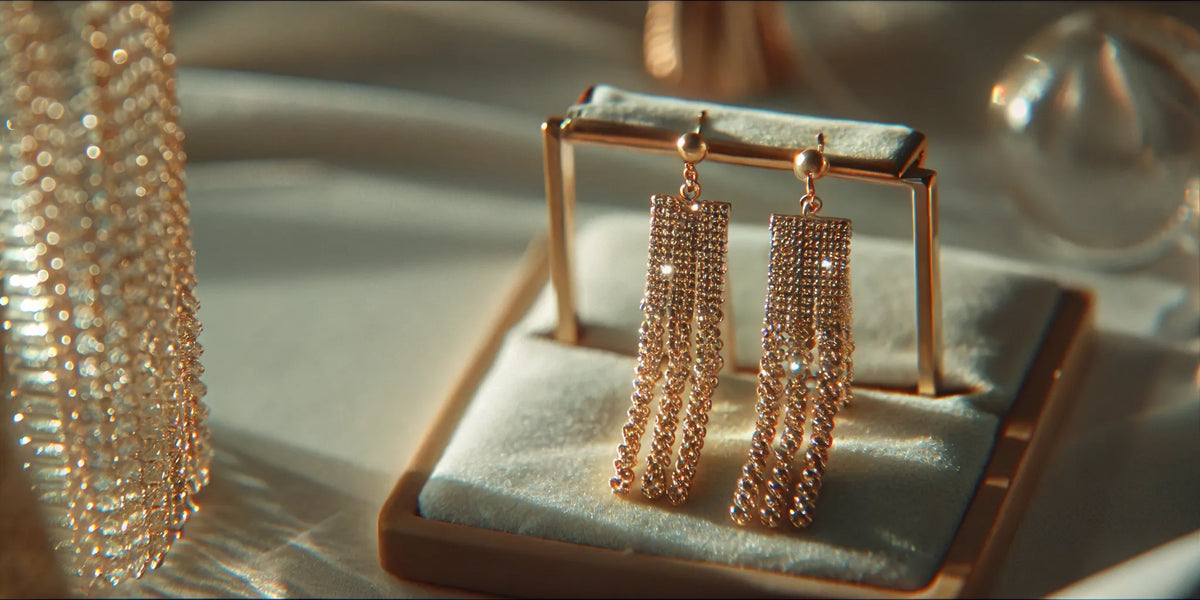
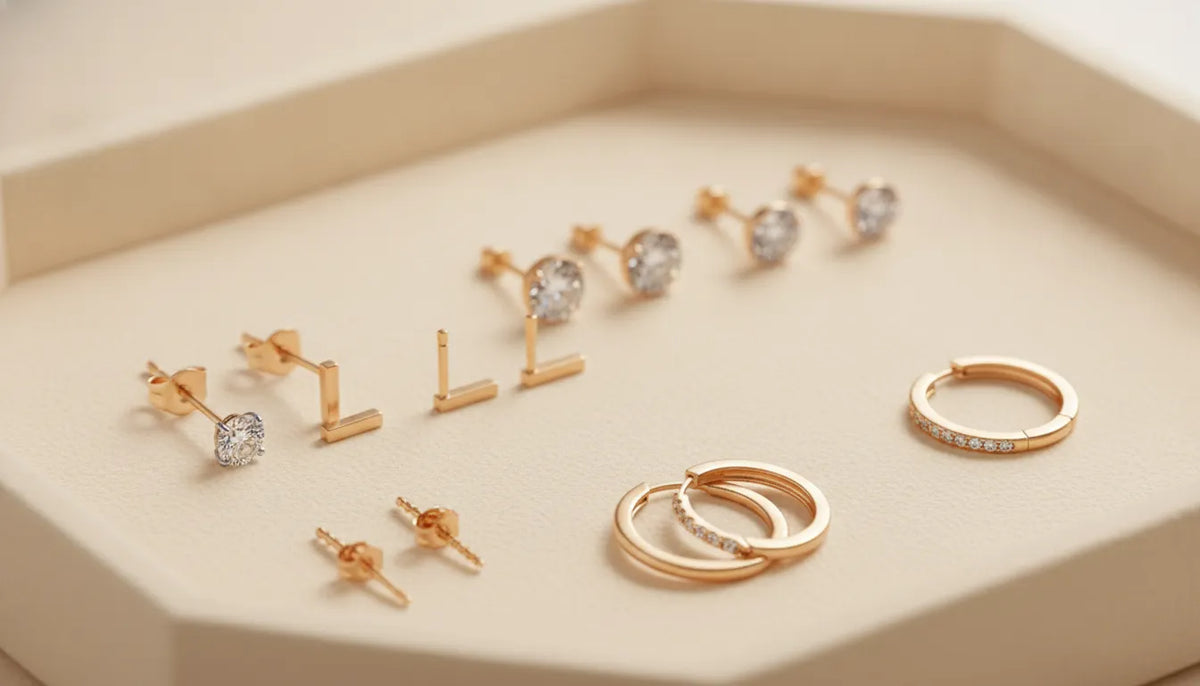
Start with the category that solves a real styling need. A platinum band can provide a clean, understated finish on its own or serve as a foundation for an engagement ring. If you are planning a meaningful long-term piece, explore the design considerations in this guide to custom wedding bands. A pendant creates a quieter focal point near the face, while a bracelet can bring the metal's cool tone into an otherwise warm watch or bracelet stack. Platinum earrings can be equally versatile: small studs read as daily essentials, while sculptural drops can carry an evening outfit without requiring additional pieces.
Use proportion to create balance
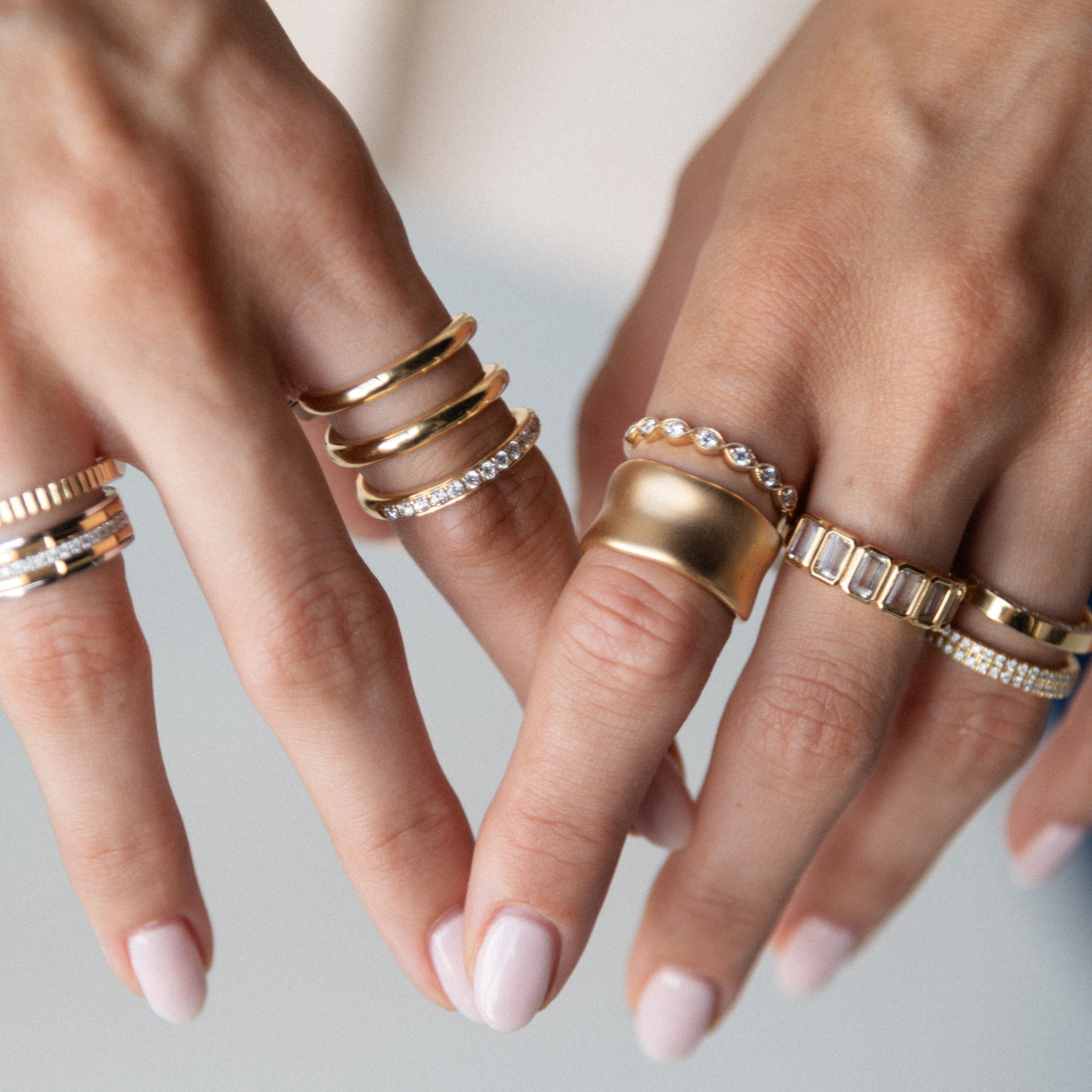
Consider scale before adding more metal. A substantial ring may look intentional with simple earrings and a fine pendant, while delicate platinum pieces can be grouped for a more collected effect. If you are building a ring stack, vary width, texture, or silhouette rather than choosing several pieces that compete for the same visual space. A narrow platinum band beside a warmer metal can act as a crisp transition between tones. For more ideas on balancing color and scale, see this guide to gold diamond stackable rings.
Make mixed metals feel deliberate
Platinum does not need to be isolated from yellow or warm-toned gold. Mixed-metal styling looks considered when one element repeats or connects the palette. Pair a platinum ring with a yellow-gold band, then echo one of those tones in earrings or a pendant. Alternatively, keep the forms consistent: combine two smooth bands in different metals, or layer pieces with a shared stone shape. The goal is not perfect matching. It is a clear relationship between the pieces.
Finally, think about whether the jewelry is meant for a season or for a future heirloom. A restrained silhouette is easier to wear across changing wardrobes, while a distinctive proportion may better express a personal milestone. Choose the finish, scale, and category that you will want to live with, then confirm the piece's metal composition and care guidance before buying. That approach keeps platinum jewelry personal, wearable, and intentional rather than simply adding another item to the collection.
What Should You Ask Before Buying Platinum Jewelry?
A thoughtful purchase starts with questions that make the material, construction, and long-term care clear. Before choosing a ring, chain, bracelet, or pendant, ask the seller to walk you through the following details rather than relying on a short product label.
What is the fineness and alloy?
Ask where the hallmark is located and what it means. Platinum jewelry is rarely made from 100% pure platinum, and the alloy may include platinum-group metals such as palladium, ruthenium, rhodium, iridium, or osmium. It may also include other metals such as copper or cobalt. Request the exact platinum content and the other metals used. The alloy can affect density, luster, scratch resistance, tarnish resistance, repair, resizing, and how much precious metal remains over time. The Federal Trade Commission's platinum guidance is a useful reference for understanding why those disclosures matter.
How is the stone secured?
If the piece includes gemstones, ask what setting style is used, how the prongs or bezel were finished, and whether the setting was inspected after assembly. Platinum can be a considered choice for a stone setting, but the quality of the design and workmanship still matters more than the metal name alone. Ask whether the stone details, dimensions, and setting materials will appear on your documentation. For a ring intended to mark a milestone, exploring handcrafted engagement rings can also help you understand how proportion, setting, and personal design choices work together.
How will I wear and care for it?
Be specific about your routine. Is the piece for daily wear, a wedding, travel, or occasional evenings? Ask how its weight and profile will feel on the body, whether it can sit comfortably beside your existing jewelry, and which finish best suits your preference. Platinum may develop a soft patina as it wears, so ask whether the maker recommends preserving that look or periodically polishing it. Request clear care instructions, including when to remove the piece and how to arrange inspection or repair.
What is included after the sale?
Ask for an itemized description showing the metal, fineness, alloy, stone type and details, dimensions, and any included documentation. Clarify the seller's return policy, service process, resizing options, and any warranty in writing. If the purchase is for a wedding, compare the construction and service questions with the process outlined in this guide to custom wedding bands. Finally, research the seller beyond social media and choose a jeweler who answers directly, documents the piece clearly, and gives you time to make an intentional decision.
Frequently Asked Questions
What is platinum jewelry made from?
Platinum jewelry is typically an alloy rather than 100% pure platinum. The platinum may be combined with metals such as palladium, ruthenium, iridium, copper, or cobalt, so review the piece's fineness mark and alloy disclosure before buying. In the United States, an item with less than 500 parts per thousand pure platinum should not be described as platinum, according to the Federal Trade Commission.
Is platinum a good choice for everyday wear?
It can be a strong choice for daily wear when the design and setting are well made. Platinum is dense, naturally white, and scratches tend to displace metal rather than remove it. Over time, it may develop a soft patina. You can keep that finish or have the piece polished, depending on whether you prefer a softly worn surface or a brighter look.
How is platinum different from white gold?
Platinum is naturally white, while white gold is an alloy that may rely on rhodium plating for its bright surface. The right choice depends on the look, feel, maintenance preferences, and alloy details you want. Ask the seller to explain the metal composition and fineness, then compare those details with your intended daily wear and wardrobe.
What should I ask before buying a platinum piece?
Ask what percentage of the piece is platinum, which other metals are in the alloy, and how the finish is intended to age. Confirm the stone details, dimensions, care instructions, resizing or repair considerations, and written return policy. Reviewing design, quality, and budget together helps you choose a piece that fits both your style and long-term plans.
Ready to Choose the Right Metal?
Platinum jewelry can be a thoughtful choice when you value its naturally white appearance, substantial feel, and long-term wearability. If you are comparing platinum with white gold or considering how a piece could fit your collection. Personalized guidance can help you weigh the details against your style and priorities. Contact LUCE to ask questions and get started with fine-jewelry guidance tailored to your decision.