Proposal Ring Etiquette: A Practical Guide
A proposal ring carries a lot of meaning, but choosing one does not require following a rigid script. The most thoughtful decisions usually begin with practical questions: What feels like your partner's style? How can you protect their comfort and privacy? What budget feels responsible for your life together?
Proposal ring etiquette is about consideration, communication, and fit, not a universal set of rules. Start by learning what your partner would genuinely wear, handle budget conversations honestly, verify the ring's specifications and size, and leave enough time to make a calm decision.
That approach leaves room for a traditional surprise, a shared design process, or a proposal followed by choosing the ring together. It also makes space for details that are easy to overlook, from finger measurements and setting considerations to how and when you present the ring. First, it helps to define what etiquette is really meant to accomplish.
What Does Proposal Ring Etiquette Actually Mean?
Proposal ring etiquette is best understood as considerate guidance, not a fixed list of rules. The goal is to make a meaningful choice that respects your relationship, your partner's preferences, and the way you both think about marriage. Traditions can offer inspiration, but they should not override an honest understanding of the person you are asking.
That may mean choosing a traditional engagement ring, selecting a piece with a more understated silhouette, or planning to choose the ring together after the proposal. There is no single correct level of surprise. Some people would love to see a ring chosen with care, while others would rather have a voice in the style, fit, or stone. Paying attention to those preferences is more thoughtful than following an outdated expectation simply because it is familiar.
Which traditions are flexible?
Many decisions commonly described as etiquette are personal choices. You do not have to follow a particular proposal script, involve family, or present the ring in a certain setting. You can propose privately, celebrate with friends afterward, or make the moment feel like an extension of your everyday relationship. The right approach is the one that feels comfortable and respectful for both of you.
It is also fine to propose without a ring. A meaningful conversation, a temporary placeholder, or another symbolic gift can leave the final ring decision open. This can be especially considerate when your partner has strong preferences about metal, stone, proportions, wearability, or ethical considerations. The proposal can communicate your intention, while the ring becomes a shared decision afterward.
How should the ring be presented?
Presentation does not need to be elaborate to feel intentional. Consider the setting, your partner's comfort with public attention, and whether the moment gives them space to respond naturally. A private proposal may be more appropriate for someone who dislikes being the center of attention. While a larger celebration may suit a partner who enjoys sharing milestones with family and friends.
If you are buying a ring in advance, treat fit and personal taste as practical parts of the etiquette. Product pages should be checked for item-specific specifications and size options, and a jeweler can help when you are unsure. The most polished choice is not necessarily the most expensive or traditional one. It is the piece and presentation that show you have listened.
How Should You Handle Ring Size and Style Preferences?
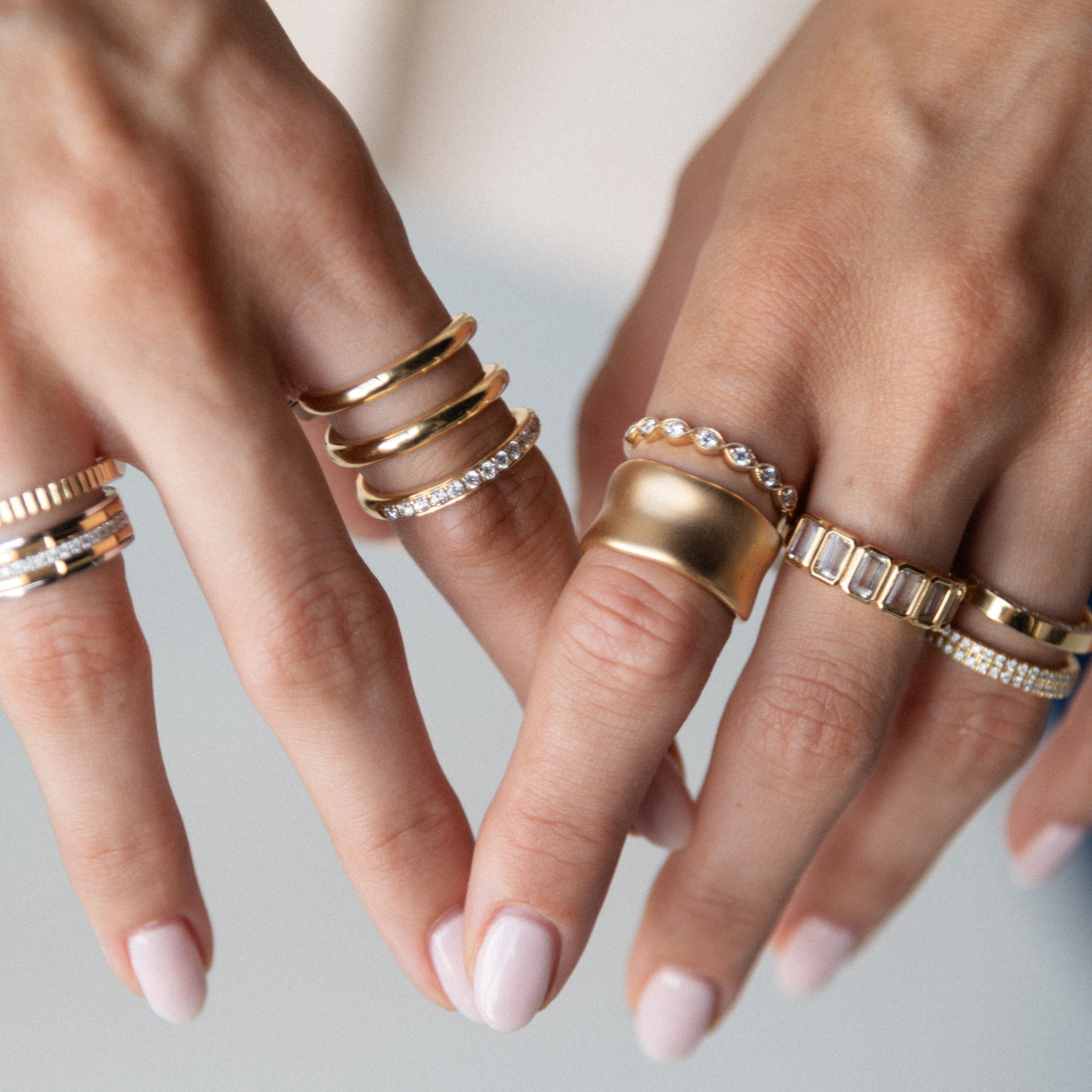
Getting close to the right size and aesthetic is less about executing a secret trick perfectly and more about paying attention. Start with the jewelry your partner already wears. Notice which hand and finger carry rings, whether the pieces are delicate or substantial, and whether the overall look leans classic, minimal, sculptural, or detailed. Metal color, band width, stone shapes, and how often they wear jewelry can all offer useful signals. These observations are clues, not proof, so avoid treating one favorite piece as a complete design brief.
For size, discretion matters, but accuracy matters more. If your partner has a ring that fits the intended finger, bring it to a jeweler for guidance rather than tracing it or relying on an improvised measurement. GIA cautions that string can stretch and paper can be damaged, leading to inaccurate results. A jeweler can also account for a finger joint that is larger than the area where the ring sits. If you borrow a ring, confirm that it belongs to the correct finger and that your partner does not wear it loosely or tightly for personal reasons.
There may not be a reliable ring to borrow, and that is not a reason to make a random guess. Ask someone who knows your partner well and can keep the conversation private. A close friend, sibling, or family member may remember a recent size conversation or know which pieces are worn regularly. Choose input based on familiarity with your partner's actual habits, not simply on who is most excited to help.
Style decisions deserve the same care. Look at the jewelry already in rotation, saved images, clothing, and everyday preferences. Someone who favors clean lines may not want an ornate setting, while someone who layers pieces may appreciate a design with more visual presence. Also consider comfort, metal sensitivities, and how the ring should work with jewelry they already own. Nickel allergy can cause an itchy rash where metal touches skin, according to Mayo Clinic. So a known sensitivity should be treated as an important design constraint, not a minor detail.
If your observations point toward a personalized piece, review the engagement ring design process before making assumptions about every detail. The goal is not to create a surprise that ignores your partner's taste. It is to preserve the meaning of the proposal while making thoughtful, informed choices and leaving room for their voice.
How Do You Talk About Budget Without Making It Awkward?
Budget conversations become easier when they are treated as part of thoughtful planning, not as a test of devotion. There is no universal dollar rule for a proposal ring, and a number that feels reasonable for one person may create unnecessary strain for another. Good proposal ring etiquette leaves room for different financial situations, relationship priorities, and ideas about what the ring should represent.
Start with personal comfort
Begin by deciding what you can spend comfortably without borrowing beyond your means or compromising essential goals. Consider your broader plans, including the proposal itself, travel, housing, shared expenses, or other commitments. A ring should mark an important moment, not create private anxiety that follows you into the next stage of the relationship.
It can help to set a firm upper limit before browsing. That boundary gives you a useful filter and keeps a beautiful but unsuitable option from redefining your plans in the moment. If someone else is contributing, include that support only when the terms are clear and comfortable for everyone involved.
Separate priorities from assumptions
Next, identify what matters most. Is the priority a particular metal look, a certain stone shape, a distinctive setting, a meaningful design detail, or the flexibility to personalize the ring? Knowing your priorities lets you compare options by what they accomplish rather than by status or a prescribed spending benchmark.
Ask which details are essential and which are preferences. You may find that the emotional significance comes from the silhouette or personal connection, while another feature is less important than you first assumed. Product pages should offer current item-specific details such as pricing, metal and stone specifications, dimensions where applicable, size selection, care instructions, and warranty information. Review those details carefully rather than relying on broad category expectations.
| Decision point | Question to ask | Why it helps |
|---|---|---|
| Comfort | What can I spend without creating strain? | Keeps the purchase aligned with real priorities. |
| Design | Which detail matters most to my partner? | Focuses the search on meaning and everyday wear. |
| Process | Do I need more time to verify size or options? | Prevents a rushed choice before the proposal. |
Discuss the complete proposal plan honestly
The ring is one part of the moment. Think through the total plan, including where you will propose, what preparation is needed, and whether any travel or celebration expenses belong in the same budget. You do not need to disclose every surprise, but it is wise to be honest with a trusted advisor about the limits and priorities shaping your decision.
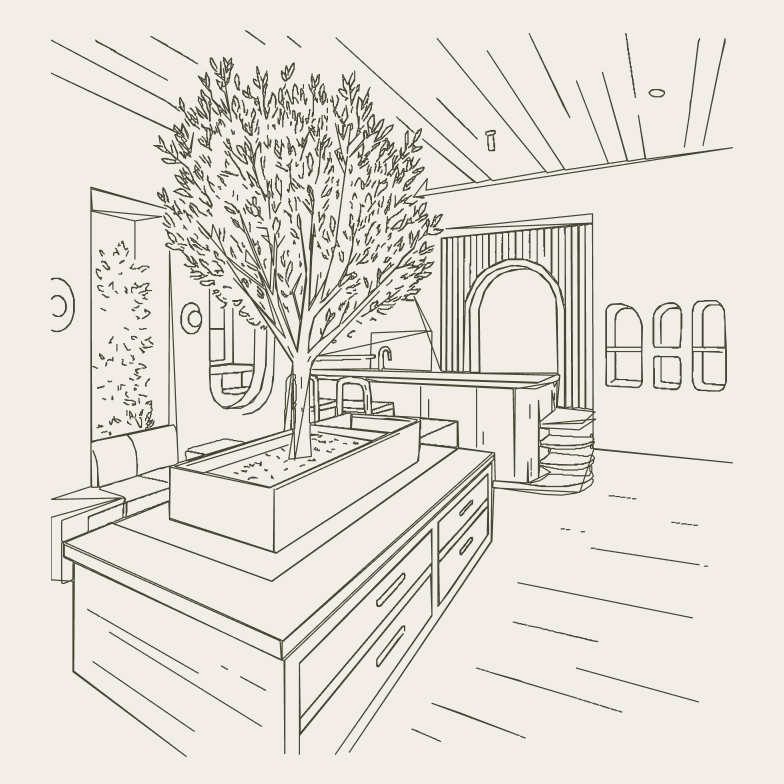
If you are shopping with a jeweler, say what range feels comfortable and what you hope the ring will communicate. A useful conversation should help you explore the right direction without pressure. At LUCE, shoppers can seek guidance in a modern, approachable setting, whether they are visiting the West Palm Beach showroom or researching from elsewhere. The goal is a considered choice that reflects your relationship, not someone else's formula.
When Should You Consider a Custom or Design-Your-Own Ring?
A custom or design-your-own ring can be a thoughtful choice when the meaning behind the piece matters as much as the proposal itself. It may suit someone with a clear vision, a partner whose style is difficult to capture in a standard setting. Or a story you want reflected in the ring's shape, proportions, or details. Personalization is most useful when it helps you make a confident decision, not when it adds complexity simply for its own sake.
Custom design may be the right direction when you have a specific point of view
Start with the details you already know. Perhaps your partner consistently wears a particular metal tone, prefers understated lines, or gravitates toward distinctive silhouettes. You may also have a meaningful design reference, an heirloom element to discuss, or a strong preference about the center stone and setting. In these cases, a custom conversation can help translate an idea into a ring that feels personal rather than selected at random.
Design-your-own can be helpful when you want to make several connected choices while keeping the overall direction intentional. Before committing, ask which parts of the design are confirmed, which options are available, and what specifications will appear on the final product page or order record. LUCE documents clear metal and stone specifications and size selection on product pages, but item-level details should still be verified before purchase.
For a closer look at the decisions involved, read this custom ring cost and process guide or explore the bespoke engagement ring guide. These resources can help you organize questions without assuming that every custom request has the same scope or outcome.
A ready-to-wear ring may be simpler when certainty matters most
A finished ring can be the more practical direction when your proposal date is close. Your partner's preferences are still broad, or you want to see the proportions and finish in person before deciding. It also reduces the number of open design questions. Rather than treating a ready-to-wear piece as less meaningful, focus on whether its style. Fit, and specifications align with what you know about the person who will wear it.
Whichever path you choose, verify current availability, sizing, metal and stone details, care information, and applicable policies directly with the jeweler. If a custom idea is still taking shape, a conversation with LUCE can help clarify which questions to ask before you move forward. Proposal ring etiquette is ultimately about consideration: choose the process that protects your partner's preferences and your own confidence in the decision.
When Is the Right Time to Buy and Present the Ring?
Good timing is less about following a fixed rule and more about leaving enough room to make a thoughtful choice. Intentional gift givers generally begin shopping two to three months before an occasion. That pattern is useful audience behavior, not a guaranteed production timeline. So treat it as a planning prompt rather than a promise about how quickly any ring will be ready.
Build in room for thoughtful decisions
Start once you have a clear sense of your partner's style, likely ring size, preferred metal, and the proposal setting. A few weeks of breathing room can help you compare options, verify item-specific details, ask questions, and reconsider a choice without turning the purchase into a last-minute emergency. If you are considering a custom or design-your-own direction, ask about the current process and timing before committing to a date. Do not assume that a personalized ring follows the same schedule as a ready-to-wear piece.
For background on the craftsmanship and design perspective behind the category, explore handcrafted engagement rings. The goal is not to create more decisions than necessary. It is to understand what you are buying well enough to feel confident presenting it.
Choose a proposal setting that feels private and personal
The right setting is the one that suits your relationship. A favorite restaurant, meaningful neighborhood, quiet beach walk, or private moment at home can all be appropriate. Consider whether your partner enjoys being the center of attention before choosing a public proposal. Surprise should apply to the timing and moment, not to boundaries you already know matter to them. If family or friends will be present, confirm that their involvement would feel welcome rather than assumed.
Make the presentation simple and intentional
You do not need an elaborate production to make the ring meaningful. Keep the focus on the words, the setting, and the moment you have chosen together in spirit. Before the proposal, decide how you will keep the ring secure and private, especially if you share a home or travel. Have a practical contingency for weather, schedule changes, or a proposal location that becomes crowded. A flexible plan protects the experience without making it feel over-rehearsed.
If the occasion is close, contact the jeweler early to confirm current item details and available options. That step replaces assumptions with information. It gives you time to make a choice that feels personal and right for your partner.
Should You Ask Family, Friends, or Your Partner?
There is no single correct answer to this part of proposal ring etiquette. The right person to involve depends on your relationship, your partner's privacy, and the kind of surprise you want to preserve. The goal is not to assemble a committee. It is to gather enough useful perspective to make a thoughtful choice without taking ownership of the decision away from the person who will wear the ring.
When family or friends can help
A trusted friend or relative may know details you cannot easily observe, such as your partner's ring size, preferred metal color, favorite shapes, or feelings about traditional proposals. Choose someone discreet, practical, and genuinely close to your partner. Ask for observations rather than a verdict. For example, "Have they ever mentioned what kind of jewelry feels like them?" is more useful than "Which ring should I buy?"
Be clear about confidentiality before sharing the plan. Not everyone will understand that a surprise proposal is private, and involving too many people increases the chance that the news travels. Share only what each person needs to know. One trusted source with specific knowledge is often more valuable than several enthusiastic opinions.
When your partner should be involved
Some couples discuss the ring together, choose it together, or agree on a few boundaries while keeping the proposal itself private. That can be especially considerate when your partner has strong preferences about comfort, materials, silhouette, or how the ring will fit into daily life. A proposal can still feel deeply personal when the timing or setting remains a surprise.
You can also ask a broad, low-pressure question before shopping: "If we ever chose an engagement ring. What details would matter most to you?" Listen for priorities instead of treating one passing comment as a final specification. If your partner has allergies, a jeweler can help you review metal details and wearability; medical guidance may be appropriate for a known reaction.
Family tradition may matter, but it does not override the couple's preferences. Some people want parents involved, while others prefer a private decision between partners. Ask for input where it adds confidence, protect the surprise where it matters. And leave room for the ring choice to reflect your relationship rather than someone else's expectations.
A Proposal Ring Etiquette Checklist
- Start with your partner's values. Think about how they make meaningful decisions, what they wear every day, and whether a traditional ring-centered proposal would feel exciting, comfortable, or surprising in the wrong way. Proposal ring etiquette is adaptable guidance, not a fixed set of rules.
- Study fit and style discreetly. Notice the jewelry they already wear, ask a trusted person for input when appropriate, and avoid assuming that your taste matches theirs. If you are still finding your direction, an engagement ring design process guide can help you organize the decisions.
- Make ring size an evidence-based decision. Check an existing ring only if you are confident it is worn on the intended finger, and treat casual measurements as clues rather than guarantees. GIA recommends asking a jeweler to measure ring size and cautions that string and paper methods can be inaccurate. Finger joints can also affect fit, so ask about the complete shape of the finger, not just its base. Review GIA's ring-sizing guidance before relying on a shortcut.
- Choose materials with everyday comfort in mind. Consider the wearer's existing preferences and any known metal sensitivities. Nickel allergy can cause an itchy rash where metal contacts skin, according to Mayo Clinic, so verify the item's metal details before purchasing when this is relevant. Mayo Clinic's nickel allergy overview offers useful background.
- Set a budget that fits your reality. There is no universal amount that makes a proposal thoughtful. Decide what feels financially comfortable, identify the design priorities that matter most, and keep the conversation honest if another person is contributing. A meaningful ring should support the larger plan, not create unnecessary pressure.
- Verify every purchase detail before committing. Review the specific ring's current metal and stone specifications, dimensions where listed, size selection, care information, and applicable policies. If anything is unclear, ask the jeweler directly rather than filling gaps with assumptions.
- Plan with a practical buffer. Many intentional gift givers begin shopping two to three months before an occasion, but that pattern is guidance, not a guaranteed production or delivery timeline. Ask about the current path for the exact ring, especially if you are considering design-your-own or custom options.
- Make presentation personal and calm. Choose a setting that suits your relationship, protect the ring until the moment arrives, and keep the presentation simple enough that the meaning remains central. There is no required hand, script, or spectacle. The most considerate choice is one that feels true to both of you.
Frequently Asked Questions
Is it okay to propose without a ring?
Yes. A proposal can be meaningful without presenting a ring, especially if you want both of you to choose the piece together. You can propose with a symbolic gift, then discuss style, fit, and budget as a shared decision.
Who should choose the proposal ring?
There is no required answer. One person may select the ring as a surprise, partners may shop together, or one person may choose the design while the other confirms preferences. The most considerate approach reflects how you already make important decisions as a couple.
How can you find a ring size discreetly?
Look for a ring your partner wears on the intended finger. Ask a trusted friend or family member for help, or bring an existing ring to a jeweler for guidance. Improvised string and paper measurements can be inaccurate, so professional sizing is the safer route. GIA explains why accurate sizing matters.
Is there a correct hand or finger for a proposal ring?
Traditions vary by culture, family, and personal preference. Ask discreetly if your partner has expressed a preference, and do not treat one custom as a universal rule. The right choice is the one that feels natural and respectful to both of you.
How early should you start shopping?
Start before the proposal date feels urgent, particularly if you are comparing designs, checking fit, or considering a custom or design-your-own ring. Early planning gives you room to verify item-specific details and make a thoughtful choice without turning the proposal into a deadline-driven purchase.
Ready to Talk Through Your Proposal Ring?
Choosing a proposal ring can feel more confident when you have a thoughtful place to ask about fit, style, and design direction. LUCE Jewelry can help you sort through your questions while keeping the decision personal to your relationship. Contact LUCE Jewelry to talk with the team before you buy and take your next step with a clearer plan.