
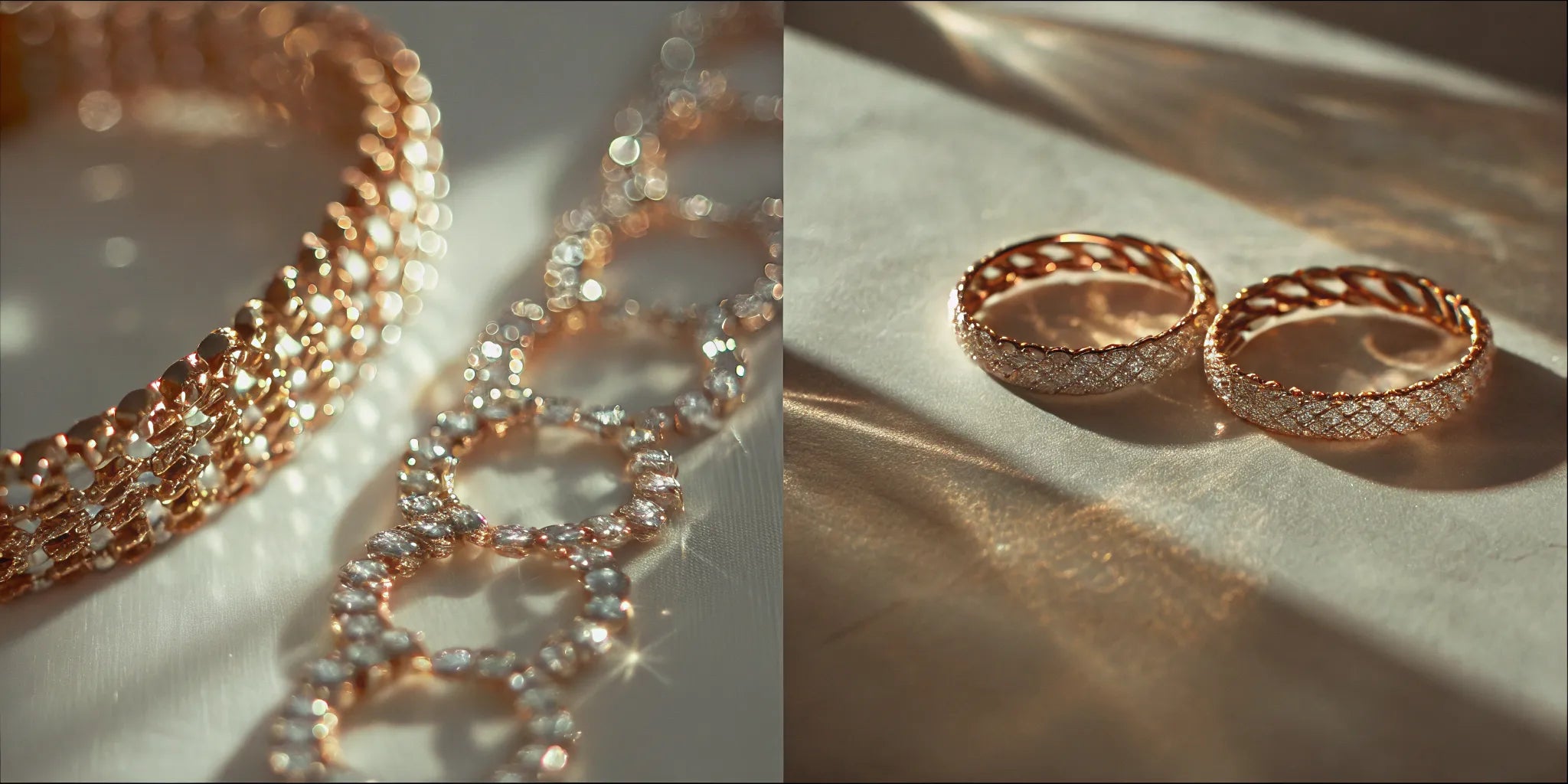
White Gold vs Yellow Gold: How to Choose Your Fine Jewelry Metal
Selecting the perfect fine jewelry metal is a deeply personal decision that shapes your everyday style. At LUCE in West Palm Beach's NORA District, nearly every piece is available in both 14K white gold and 14K yellow gold. Giving you the freedom to choose what truly suits you.
Ready to see the difference in person? Book a consultation at LUCE to try both metals side by side.
The choice between white gold vs yellow gold comes down to your taste, wardrobe, and lifestyle. Both metals share the same gold purity at any karat level. White gold offers a cool silvery luster with rhodium plating, while yellow gold delivers a warm classic glow that never fades. Your decision depends on which look you prefer and how much maintenance you are willing to commit to over time.
As you plan your next fine jewelry purchase, understanding how these metals differ in daily care, cost, and styling helps you make a confident decision. Let us explore these key details starting with the most basic question.
What Is the Difference Between White Gold and Yellow Gold?
When choosing fine jewelry, the debate of white gold vs yellow gold is a common starting point. Both metals offer stunning beauty, but they differ in how they are made and how they look. Understanding these differences helps you find the right fit for your style.
The Karat System and Purity
Pure gold is naturally yellow and very soft. Jewelers mix pure gold with other metals to make it strong enough for daily wear. Gold purity is measured in karats, where 24 karat gold represents 100% pure gold. 18K gold contains 75% pure gold, while 14K gold contains 58.3% pure gold. Both white and yellow gold at the same karat level contain the exact same amount of precious gold. This means a 14K white gold ring and a 14K yellow gold ring are equal in gold content and intrinsic value.
Metal Alloys and Color
The main difference between white and yellow gold is the blend of alloy metals. Yellow gold gets its warm hue from copper and zinc, which preserve the natural look of pure gold. White gold is an alloy containing about 75% gold and about 25% nickel and palladium. At LUCE, our 14K white gold pieces are formulated for strength and a bright finish that complements diamonds and gemstones beautifully. Our 14K yellow gold pieces use a copper-rich alloy that creates the warm, rich tone our clients love.
Debunking the Purity Myth
Many buyers mistakenly believe yellow gold is purer or more valuable than white gold. This is not true. An 18K white gold ring and an 18K yellow gold ring contain the same percentage of pure gold. Both are real gold, and both offer the same level of luxury and lasting value. The color is purely an aesthetic choice, not a quality indicator.
White Gold vs Yellow Gold: Appearance and Skin Tone
When comparing white gold vs yellow gold, visual style is the first thing most people notice. Yellow gold offers a classic look that has been loved for generations. White gold has a modern, bright appearance. Choosing between them is a matter of style, but understanding skin tones can help you find your best fit.
Matching Jewelry to Your Skin Tone
Your skin undertone can guide your choice:
- Warm undertones (greenish veins): Yellow gold highlights your skin's warmth and creates a rich, harmonious look.
- Cool undertones (blue veins): White gold pairs well with cool skin, offering a crisp contrast that stands out.
- Neutral undertones: You can wear both metals confidently. Mixing them creates a modern, layered look.
Personal Style and Versatility
Both metals work beautifully for any skin tone. Many people love to mix metals for a contemporary style. At LUCE, our collection of gold jewelry includes pieces in both finishes so you can build a wardrobe that reflects your personal taste.
Durability and Maintenance: A Practical Comparison
Understanding how each metal holds up over time is key when deciding between white gold vs yellow gold. At the same karat weight, both options share equal metal hardness. But they need very different care to maintain their original beauty.
The Maintenance Cycle of White Gold
White gold is not naturally white. Jewelers coat the metal with a thin layer of rhodium to achieve its bright, mirror-like finish. Over time, daily wear rubs this outer layer off, exposing the warm yellow tint underneath. Rhodium replating is typically needed every one to two years, with costs ranging from $50 to $150 per cycle. If you need this service, LUCE's repair services can restore your piece to its original luster.
How to Care for Yellow Gold
Yellow gold is naturally lower maintenance. It has no plated outer layer, so its warm color will never fade or change. You do not need regular jeweler visits for replating. Fine scratches from daily wear can be removed with an occasional professional polish, which costs less than replating and keeps your piece looking its best.
Here is a quick comparison of what each metal requires:
- White gold: Rhodium replating every 1-2 years ($50-$150 per cycle). Color may shift to yellow as plate wears.
- Yellow gold: Occasional professional polish only. Color never fades or changes.
- Both metals: 14K or 18K is durable for everyday wear. Clean with mild soap and warm water.
| Factor | White Gold | Yellow Gold |
|---|---|---|
| Daily Durability | High strength. Ideal for daily wear. | High strength. Ideal for daily wear. |
| Primary Care Need | Rhodium replating every 1-2 years. | Occasional professional polishing. |
| Average Service Cost | $50 to $150 per replating cycle. | Minimal. Low-cost light polish. |
| Color Stability | May show yellow tint as plate wears. | Never fades or changes color. |
For a closer look at how white gold performs over time, visit our 14K white gold guide.
Not sure which metal fits your lifestyle? Talk to our design team about your daily wear habits and we will recommend the perfect metal for you.
White Gold vs Yellow Gold: Which Is Best for Different Jewelry Types?
Choosing between white gold and yellow gold depends on the type of jewelry you plan to wear most often. Each metal brings unique strengths to different pieces. At LUCE, our clients often ask which metal works best for specific types of jewelry. The answer usually depends on how the piece will be worn and what look they want to achieve.
Engagement Rings and Wedding Bands
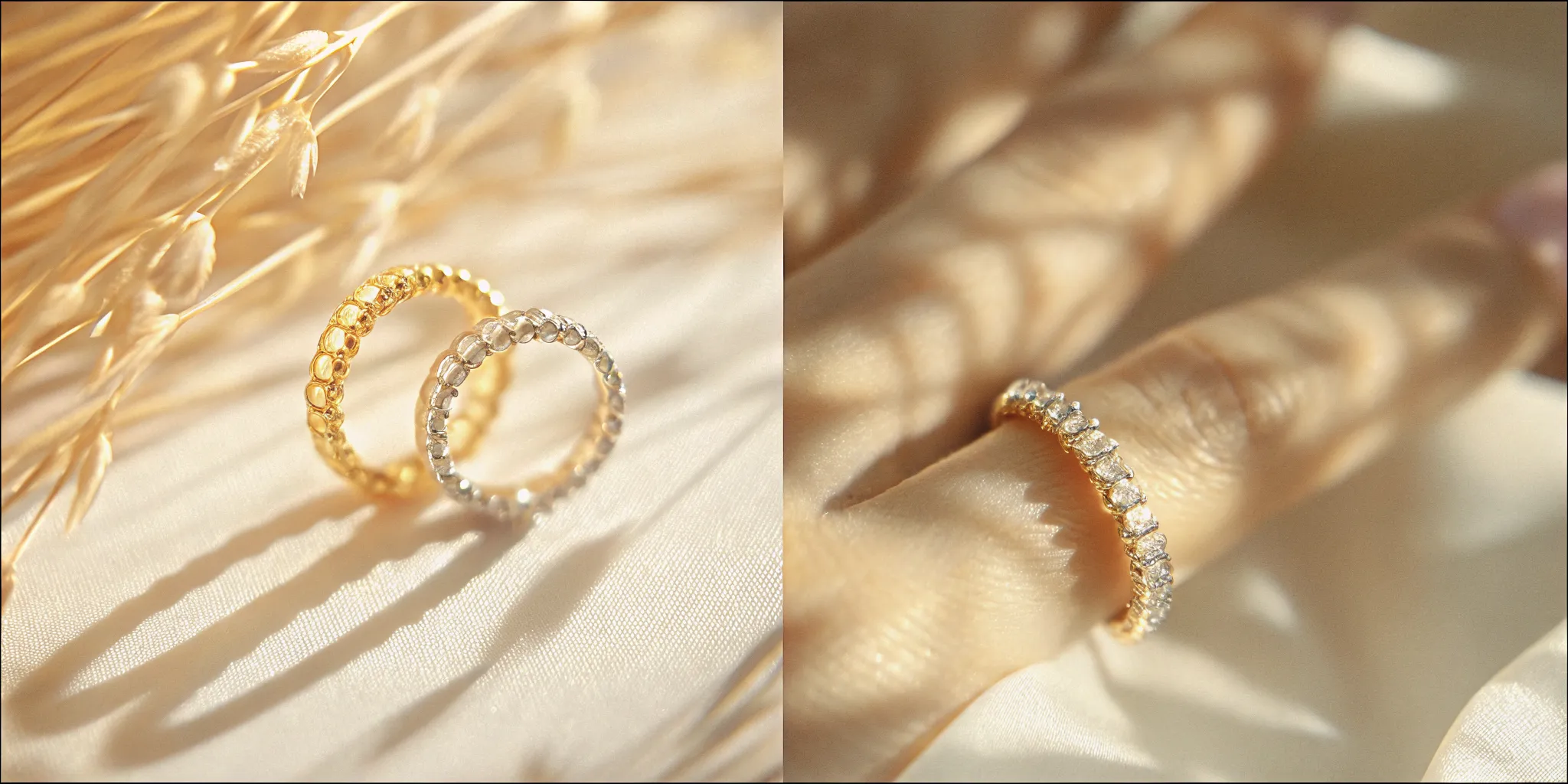
For rings worn every day, metal choice changes how your gemstones look. White gold is a popular choice for diamond engagement rings because the cool tone makes white diamonds pop with extra brilliance. Yellow gold adds a warm, vintage feel that can make lower color grade diamonds look richer and more natural. Many of our clients choose yellow gold for its timeless heirloom quality and white gold for its sleek, contemporary aesthetic. Explore our engagement rings collection to see both metals in action.
Earrings and Everyday Necklaces
Earrings and necklaces face less impact than rings, so they need less upkeep overall. Yellow gold provides a warm glow that stands out beautifully against the skin. White gold blends softly with light skin tones and offers a sleek, modern look that complements diamonds and gemstones. Both are excellent choices for everyday luxury pieces, and many of our clients mix them throughout their collection.
Chains and Bracelets
Bracelets and heavy chains face constant contact with desks, handbags, and clothing. Choosing a strong karat like 14K keeps these pieces safe from deep scratches and bent links. Yellow gold chains show a warm, classic look that dresses up any outfit, while white gold chains offer a more subtle, refined appearance. Compare gold chain options to see how metal choice affects the look of a classic chain.
How to Choose Between White Gold and Yellow Gold
Selecting the right metal is a personal step in building your fine jewelry collection. At LUCE, our fourth-generation Kravit Jewelers heritage informs every piece we create. We make most of our everyday luxury collection in both 14K white and 14K yellow gold so you never have to compromise on style.
Follow these simple steps to find the metal that works best for you:
- Assess your existing jewelry. Look at the pieces you wear most often. If silver and platinum tones dominate your collection, white gold will blend in seamlessly. If you gravitate toward warm earth tones, yellow gold is your natural match.
- Consider your skin undertone. Check the veins on your wrist in natural light. Greenish veins point to warm undertones and yellow gold. Blue veins suggest cool undertones and white gold. Neutral means you can wear either.
- Think about maintenance. Are you willing to visit a jeweler every one to two years for replating? If so, white gold is a great option. If you prefer a set-it-and-forget-it metal, yellow gold's low-maintenance care is ideal.
- Try both in person. Visit LUCE's showroom in West Palm Beach to see how each metal catches the light on your skin. Nothing compares to seeing both options in person before making your decision.
Your Style and Jewelry Wardrobe
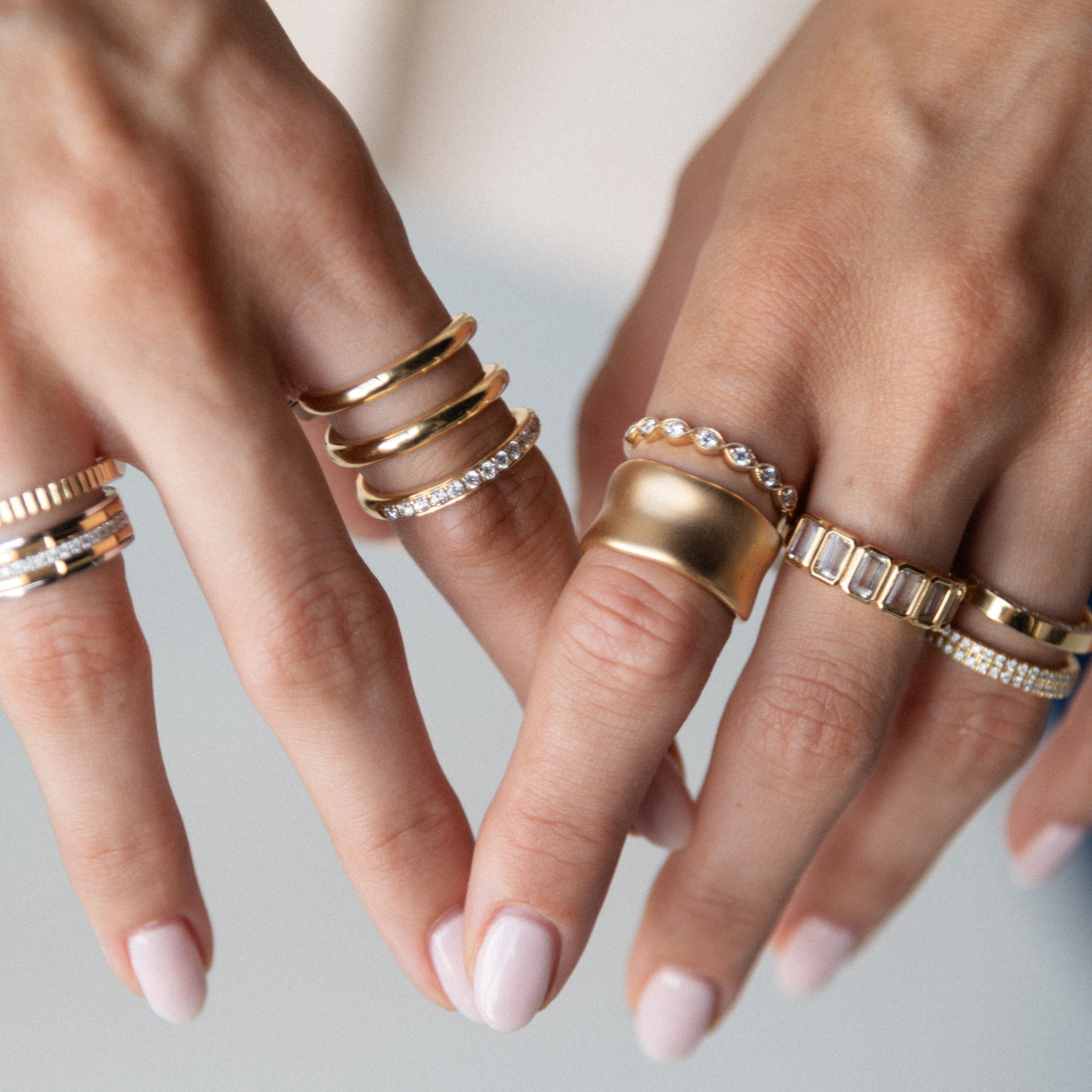
Look at the jewelry you already wear most often. If you own many cool silver tones, white gold is a natural fit. If you prefer warm tones, classic yellow gold is a beautiful choice. Mixing metals together creates a very chic, personal look that many of our clients love. Stacking white and yellow gold rings, for example, creates dimension and visual interest that makes your jewelry feel curated and intentional.
Maintenance and Quality Marks
Think about how much care you want to give your jewelry. White gold needs replating every few years, while yellow gold needs only occasional polishing. Always check the quality stamp on your jewelry. Look for stamps like 14K or 18K on the inside of the band to confirm the purity of your piece. These markings are legally required and give you confidence in your purchase.
Try Both Metals in Our Showroom
The best way to decide is to see how each metal looks on your skin. Visit our West Palm Beach showroom in the NORA District to try both white and yellow gold side by side. Our expert team will help you compare different styles and find the metal that feels right for you. Prefer something unique? Our custom design services can bring your vision to life in your favorite gold color with a piece designed just for you.
Ready to find your perfect metal? Schedule your appointment at LUCE today.
Frequently Asked Questions
Which is more expensive, yellow gold or white gold?
There is no price difference between white gold and yellow gold of the same karat purity. A 14K white gold ring and a 14K yellow gold ring contain the same amount of pure gold. However, white gold can cost more over time due to the regular cost of rhodium replating.
What are the disadvantages of white gold?
The main drawback of white gold is its maintenance. The rhodium layer wears down over time and needs replating every one to two years. Additionally, some white gold alloys contain nickel, which can trigger skin reactions for those with metal allergies. At LUCE, we use nickel-free palladium-based white gold alloys that are safer for sensitive skin.
Does white gold or yellow gold look better on my skin tone?
Warm undertones look great with yellow gold, which highlights skin warmth. Cool undertones pair well with the crisp look of white gold. If you have neutral skin, both options will suit you, so choose based on your personal style.
Can you wear white gold and yellow gold together?
Absolutely. Mixing white and yellow gold is a modern styling trend that many of our clients embrace. The contrast between the two metals creates a layered, intentional look that works for both casual and formal occasions.
Ready to Find Your Perfect Metal?
Choosing between white gold and yellow gold should feel exciting, not overwhelming. Seeing the warm yellow hues and cool white tones in person makes the decision simple. Our expert team is ready to guide you through our collection so you can select your jewelry with total confidence.
Visit our West Palm Beach boutique to compare both metals side by side and find the piece that truly reflects your style. Book your consultation today at LUCE.