Essential Pearl Jewelry Care: Cleaning, Styling, and Maintenance
Cultured pearls represent the ultimate in organic elegance, bringing a warm, natural glow to modern fine jewelry. Unlike harder gemstones, these ocean-grown treasures are exceptionally delicate, meaning they need specialized care to protect their radiant luster. By treating your favorite strands, bracelets, and drops with gentle respect, you can transform these daily luxuries into enduring heirlooms that last for generations.
Ready to contact our team? Call (561) 223-9591 to shop LUCE's pearl jewelry collection.
Proper pearl jewelry care is essential to protect these delicate organic gems, which rank at just 2.5 to 3.0 on the Mohs hardness scale. Because pearls are highly sensitive to acids, humidity, and heat, they should never be cleaned with steam, harsh chemicals, or ultrasonic devices. Instead, routine care involves wiping your pearls with a soft, clean cloth after every wear to remove natural skin oils and cosmetics. For occasional deeper cleanings, use only warm, soapy water with a mild dish soap, and always store your pearls separately in a soft pouch to avoid scratches. Citing authoritative guidance from the Gemological Institute of America (GIA), these simple daily habits will preserve the radiant nacre and deep luster of your collection for a lifetime.
Whether you are styling a classic strand or modern diamond-accented earrings, keeping your treasures pristine starts with your daily dressing routine. Let us explore the basic rule of thumb for protecting your jewelry in Daily Pearl Care: Last On, First Off. The journey to lasting beauty begins with how you put them on each morning.
Pearl Jewelry Care: Daily Pearls - Last On, First Off
Pearls are unique because they are organic gems. Unlike mineral stones like diamonds or sapphires, they need a specific daily routine to keep their shine. By following a simple set of steps, you can keep your pearl jewelry looking beautiful for decades. This guide covers how to wear, clean, and protect your pieces every single day.
The Golden Rule
To prevent damage to your pearls, put them on last and take them off first. This simple order of dressing keeps your jewelry away from harmful substances. Common items like hair spray, perfume, and cosmetics can easily damage the delicate outer layer of a pearl. Let your sprays and lotions dry completely before putting on your jewelry. This protects the surface from chemical harm. According to the Gemological Institute of America (GIA), pearls are easily damaged by many chemicals and acids found in daily products. Making this routine a habit is vital for their preservation.
Wipe Away the Day
Every time you wear your pearls, they absorb tiny amounts of natural skin oils and sweat. While some moisture is good, leaving these substances on the surface can slowly dull the shine over time. For routine care, get into the habit of wiping your pearls with a very soft, clean cloth after each wearing. This quick step removes dirt, oils, and sweat before they can do any harm. Never use a rough cloth or your shirt sleeve, as even minor friction can leave microscopic scratches on the surface. A simple microfiber cloth or a soft cotton flannel works best to keep the gems clean and bright.
Why Pearls Need Gentle Handling
To understand why pearl jewelry care is so important, it helps to compare pearls to other gemstones. Most popular jewelry stones are minerals. For example, a diamond ranks at 10 on the Mohs scale, and quartz ranks at 7. These stones are hard and resist scratches well. In contrast, a pearl ranks at just 2.5 to 3.0 on the Mohs hardness scale. This means pearls are very soft and can scratch easily if they rub against metal, wood, or other stones. Because of this low rating, you must treat your pearls with extra care and avoid wearing them during rough activities.
Keep Your Pearls Active
While pearls are delicate, keeping them locked away in a dark box is actually bad for them. Pearls are organic and contain trace amounts of water. If they are stored in a dry, airtight place for too long, they can dehydrate. This dehydration can cause the surface to split, crack, or discolor. Famous pearl houses like Mikimoto note that leaving pearl jewelry in a security box for long periods can cause dehydration. You should wear your pieces often to prevent this. Wearing them exposes them to the air and to natural oils that help keep them hydrated. Your pearls are pieces you'll want to wear daily. Regular wear is actually one of the best ways to preserve their natural beauty.
How to Clean Pearl Jewelry Safely
Pearls are unique, organic gemstones formed inside living mollusks. Their delicate nacre consists mainly of calcium carbonate, which makes them highly vulnerable to acids, ammonia, and harsh chemicals. To prevent permanent damage and keep your heirloom pieces beautiful for years, you must follow a careful, step-by-step cleaning routine. Using correct cleaning methods is the foundation of proper pearl jewelry care.
Wipe and Clean After Each Wear
For daily care, you should wipe your pearls with a very soft, clean, and dry cloth every time you take them off. This simple step removes sweat, skin oils, and cosmetics that can slowly dull the natural luster of the nacre. Doing this after each wear protects the soft surfaces from chemical wear before you put the pieces back in your jewelry box.
The Safe Soap and Water Method
When your jewelry needs a deeper wash, you can use mild, soapy water. Avoid hot water, and instead follow these safe steps to wash your pearls at home:
- Mix a few drops of mild dish soap, without any bleach or citrus, into a bowl of lukewarm water.
- Dip a clean, soft cloth into the soapy water, wring it out well, and gently wipe each pearl.
- Rinse the soap away by wiping the jewelry with a separate soft cloth damp with clean water.
- Lay the pearls flat on a dry towel and let them air dry completely before you store them or wear them again.
Why Dry Silk Thread Matters
If you clean a strung piece, such as a necklace or bracelet, you must let the thread dry completely before you wear it. If you wear strung pearls while the silk thread is wet, the cord will stretch out of shape. Wet silk also holds dampness against the pearls and gathers dirt, which can rot the cord and cause it to snap. Letting the cord dry flat on a dry towel keeps the structure safe and strong.
The Danger of Heat and Machines
You must never use ultrasonic or steam cleaners on pearl jewelry. According to the Gemological Institute of America (GIA), the rapid sound wave vibrations in ultrasonic machines can fracture the delicate nacre layers. Steam cleaners are also dangerous because high heat can cause pearls to burn, split, crack, or discolor. Acidic household cleaners, vinegar, and ammonia will also dissolve the calcium carbonate in the nacre, destroying the pearls permanently.
How to Clean Pearls Set in Gold
Many jewelry owners wonder about the best way to clean pearls set in gold prongs or bezels. You should still use the same gentle, damp-cloth method described above. Do not submerge the piece in water, as liquid can seep behind the metal setting, weaken the jewelry glue, and cause the pearl to fall out. Focus on wiping the gold portions with a dry cloth and using a slightly damp cloth only on the pearls.
Safe vs. Unsafe Cleaning Methods
To help you protect your fine jewelry, this table compares safe home care choices with methods that will cause permanent damage to organic pearls:
| Cleaning Method | Safety Status | Potential Risk to Pearls |
|---|---|---|
| Lukewarm soapy water | Safe for occasional use | None, if you dry the silk thread completely |
| Soft, dry cotton cloth | Safe for daily use | None, this is the best routine practice |
| Ultrasonic machines | Highly unsafe | Vibrations can fracture and split the nacre |
| Steam cleaners | Highly unsafe | High heat can dry, crack, and discolor the gems |
| Vinegar or ammonia | Highly unsafe | Acidic chemicals will quickly dissolve the pearl surface |
Our fourth-generation jewelry brand believes in creating jewelry that lasts. To learn more about how we care for the environment and build lasting luxury, explore our sustainable practices page.
Proper Pearl Storage for Lasting Beauty
How you store your pearl jewelry is just as critical as how you clean it. Pearls are organic gemstones made of calcium carbonate, making them highly vulnerable to acid, alkaline substances, and extreme humidity levels. To protect these delicate pieces, you must keep them in environments that preserve their natural moisture and structure. Implementing the right storage habits prevents scratches and cracks, keeping your pieces beautiful for generations.
Protect Pearls from Scratching and Dehydration
Never toss your pearls into a crowded jewelry box. With a Mohs hardness of only 2.5, pearls scratch easily when they touch harder gemstones or metals. Instead, store pearls separately in a soft pouch or a fabric-lined jewelry case to prevent surface damage. A soft cloth wrap also works well to keep your pearls isolated from other items.
You must also avoid placing your pearls in airtight spaces. Safe deposit boxes and sealed plastic bags lack the airflow that organic gems need. In dry, airtight conditions, pearls can dehydrate, which leads to cracked nacre and a dull surface. As recommended by industry experts like Mikimoto, you should enjoy and wear your pearls frequently to keep them hydrated by natural exposure to your skin oils.
Control Heat and Humidity Levels
Environmental stability is key to proper maintaining your pearl jewelry over time. High heat from sunlight or strong indoor lights can dry out cultured pearls, causing discoloration or split surfaces. Aim to store your jewelry in a cool. Dark place where the temperature stays around 70 degrees Fahrenheit (21 degrees Celsius) and the humidity is close to 50 percent.
Avoid storing pearls near heating vents, radiators, or damp bathrooms. Excessive moisture can weaken the silk thread used to string necklaces and bracelets, while dry heat harms the nacre. Keeping your pearls away from these climate extremes protects the physical structure of both the thread and the gem.
Store Strung Pearl Jewelry Flat
The way you position your jewelry during storage also affects its lifespan. If you own a strung piece like a pearl necklace or a cultured pearl necklace, always lay the strand flat in its storage box. Never hang your pearls on a hook or a jewelry tree.
Hanging your pearls puts constant tension on the silk thread, which stretches the material and creates unsightly gaps between each pearl. Storing them flat keeps the string tight and ensures the individual gems do not rub against each other. Taking this simple step ensures your favorite pearl items keep their shape and remain secure for daily wear.
When to Have Pearls Professionally Inspected
Even with thorough daily pearl jewelry care, these organic gems need professional maintenance. Silk thread stretches and weakens over time as you wear your jewelry. Having an expert examine your pieces keeps them secure and beautiful for years to come.
The Role of Knotted Silk
Knotted silk is the traditional standard for stringing high-quality pearls. For instance, Tiffany & Co. strings its cultured pearls on pure silk with individual knots between each gem. These knots prevent the soft pearls from rubbing against one another, which can wear down the delicate outer layer. If the strand breaks, the knots also catch the loose pearls so they do not slide off and get lost.
When to Restring Your Pearls
If you wear your pearls often, you should have them cleaned and restrung professionally once a year. Regular wear exposes the silk thread to dirt, body oils, and moisture, which causes the cord to stretch and fray. You can check the condition of your strand at home by looking at the spaces between the pearls. If there are gaps between the gems or if the thread looks thin, it is time for a professional jewelry repair service.
A Simple Care Timeline
Keeping your pearls in top shape requires a mix of simple home habits and expert checks. Follow this basic care timeline:
- Daily: Wipe your pearls with a soft, clean cloth after each wear to remove oils and dirt.
- Monthly: Inspect the knots and thread yourself to look for signs of stretching, fraying, or discoloration.
- Annually: Take your jewelry to an expert for a deep cleaning and a professional restringing.
Our Professional Repair Services
When your pearls need professional attention, expert care is essential to protect their natural luster. This luster is tied to the thickness of the nacre, which is the organic layer that forms around the pearl. A thick nacre layer allows fine cultured pearls to last for generations, but it must be handled with care. LUCE offers professional cleaning and repair services through the Kravit Jewelers workshop in New York. Our trained team will inspect your strands, replace worn silk thread, and clean your gems safely to preserve their beauty.
Modern Ways to Wear Pearl Jewelry
Modern pearl jewelry blends classic beauty with fresh, daily style. Today, pearls are no longer just for formal events or stuffy suits. Fashion trends show that people love to wear pearls in playful, creative ways. At LUCE in West Palm Beach's NORA District, we design future heirlooms that fit your everyday life. Our local roots go deep, backed by a four-generation jewelry heritage through Kravit Jewelers since 1927. Whether you are dressing up for a night out or heading to a casual weekend brunch, you can easily make pearls your signature look.
How to Style Pearls with Casual Clothes
You do not need a special reason to wear your favorite pearls. A single-strand classic pearl necklace looks great with simple blue jeans and a white button-down shirt. For a modern, layered look, you can mix multiple pearl necklaces of different lengths. This style adds an edgy, youthful feel to a basic blazer or a casual tee. You can also mix different pearl types, such as baroque pearls, freshwater pearls, and round cultured pearls, to create a unique texture. If you want to start with a subtle touch, try a pair of pearl drop earrings. They add quick, simple elegance to your everyday style without feeling too dressed up.
Layering Pearls for the Office and Evening Plans
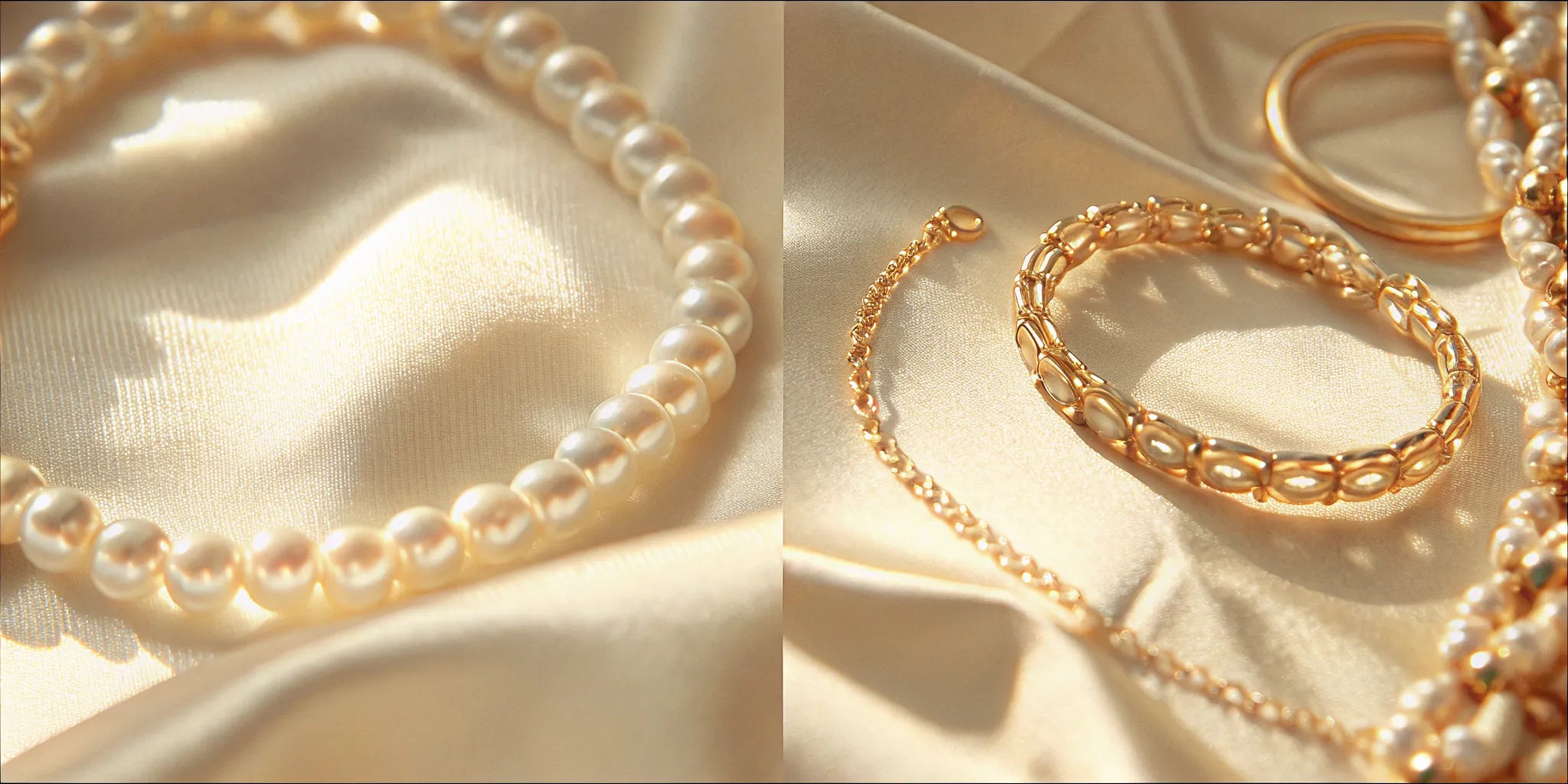
Pearls can move from day to night with ease. For a professional office look, wear a clean, structured outfit with a sleek cultured pearl necklace. It looks sharp and polished without drawing too much attention. When you head out for evening plans, add more bold pieces. Try layering your look with a solid gold bracelet. The 50/50 Pearl & Bead Bracelet ($750) combines smooth pearls and shiny gold beads for a perfect modern balance. This piece stands out on its own or pairs well with other fine gold bracelets. By mixing metal beads with natural pearls, you create a look that is both fresh and elegant.
The Best Ways to Mix and Match Pearl Types
Modern style is all about contrast and personal choice. Do not be afraid to mix organic shapes like baroque pearls with perfectly round ones. Baroque pearls have uneven, organic shapes that catch the light in a unique way. Mixing these shapes makes your jewelry feel hand-crafted and artistic. According to research from the Gemological Institute of America, pearls have a Mohs hardness of 2.5, which means they are soft and easy to scratch. When you layer your pieces, make sure they do not rub together too hard during the day. Keeping your jewelry safe while looking stylish is the best way to enjoy your fine pieces for a lifetime.
What to Look for When Buying Pearl Jewelry
Selecting the perfect pearl piece requires looking at key features that define both its quality and lifespan. Understanding how pearls are formed and set will help you make a confident choice that lasts for years. By focusing on these details, you can ensure your collection remains beautiful and intact with proper pearl jewelry care over time.
Cultured vs Freshwater Pearls
Most pearls sold today are cultured pearls rather than wild ones. Cultured pearls grow when a grower places a tiny bead or tissue inside a mollusk, which then coats it with layers of natural nacre. You will find both freshwater and saltwater varieties. Freshwater pearls are grown in mussels and often have irregular shapes, while cultured saltwater pearls typically offer more consistent shapes and a brighter luster.
Nacre Thickness and Precious Metals
The outer coating of a pearl is called nacre. Fine cultured pearls with thick nacre layers can last for generations when they receive gentle care. Thicker nacre makes the gem durable and gives it a deep glow. You should also check the metal setting. LUCE uses only solid 14K and 18K yellow gold to secure each pearl. This prevents the metal from wearing down and scratching the soft pearl surface.
Luster, Surface, and Style Selection
When you buy pearl pieces, look for a smooth surface, good color consistency, and even luster. High quality pearls reflect light clearly. You can view these features in person at our showroom in West Palm Beach's NORA District. If you prefer to shop online, our pieces are backed by our four-generation jewelry heritage. Classic options include our Pearl & Diamond Bracelet ($720) in 14K gold, or the modern 50/50 Pearl & Bead Bracelet ($750) in 14K yellow gold.
Frequently Asked Questions
Can you clean pearls with normal jewelry cleaners?
No, you should never use standard jewelry cleaners on pearls. These products often have harsh chemicals that can ruin the soft outer layer of the pearl. According to the GIA, you must also avoid steam or ultrasonic tools. Instead, clean them with a soft cloth or mild soapy water.
How should you store pearl jewelry to prevent scratches?
You should store your pearls in a separate soft pouch or a lined jewelry box. Since pearls have a low Mohs hardness of 2.5, harder gems can easily scratch them. Competitor Mikimoto also warns not to leave pearls in safe boxes for too long, as dry air can crack them.
Is it safe to wear perfume with pearl jewelry?
You can wear perfume, but you must apply it before putting on your jewelry. Cosmetics, hairspray, and perfumes have acids that can dull pearl nacre. Standard GIA guidelines suggest making pearls the last item you put on when dressing and the first item you take off at night.
How often do you need to restring a pearl necklace?
If you wear your necklace often, you should have it professionally restrung once a year. Silk thread stretches and weakens over time, which can lead to breaks. Luxury jeweler Tiffany recommends annual restringing with knots between each pearl to prevent them from rubbing together and wearing down.
Ready to shop LUCE's pearl jewelry collection?
Delaying proper care for your fine pearls can lead to permanent damage and loss of their natural luster. Environmental factors and daily wear wear down these delicate gems over time if they are not stored and cleaned correctly. Starting a proper care routine today ensures your pearl heirlooms remain brilliant for generations to come.