Custom Jewelry Consultation: Questions to Ask
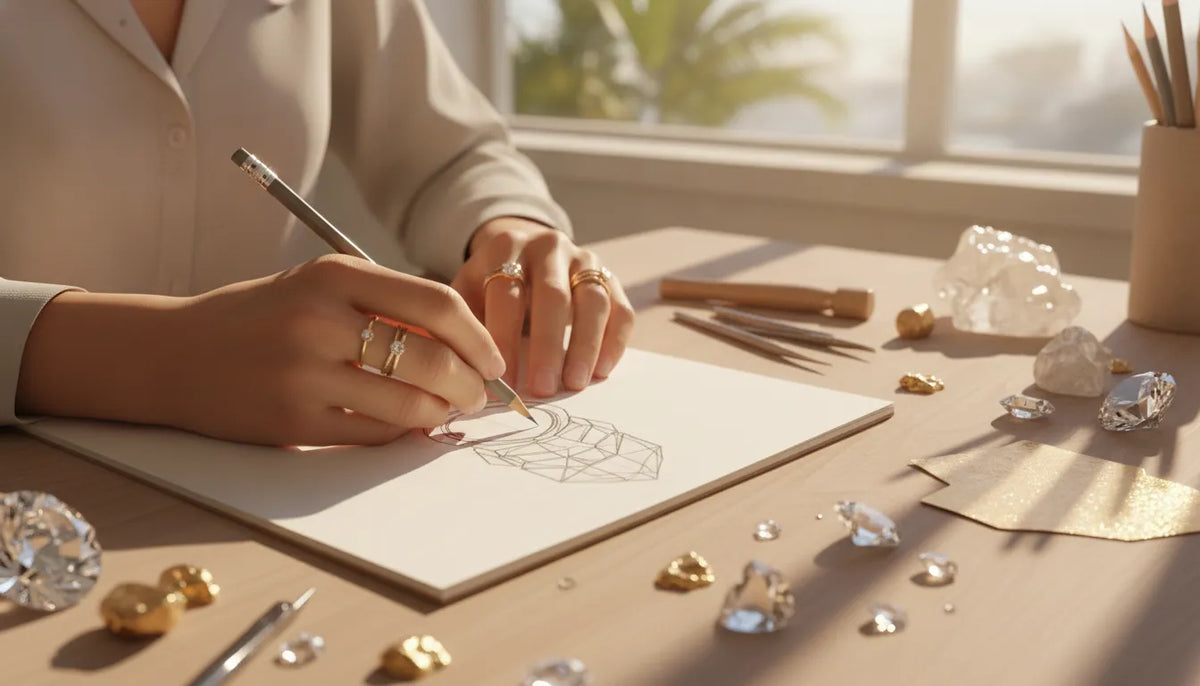
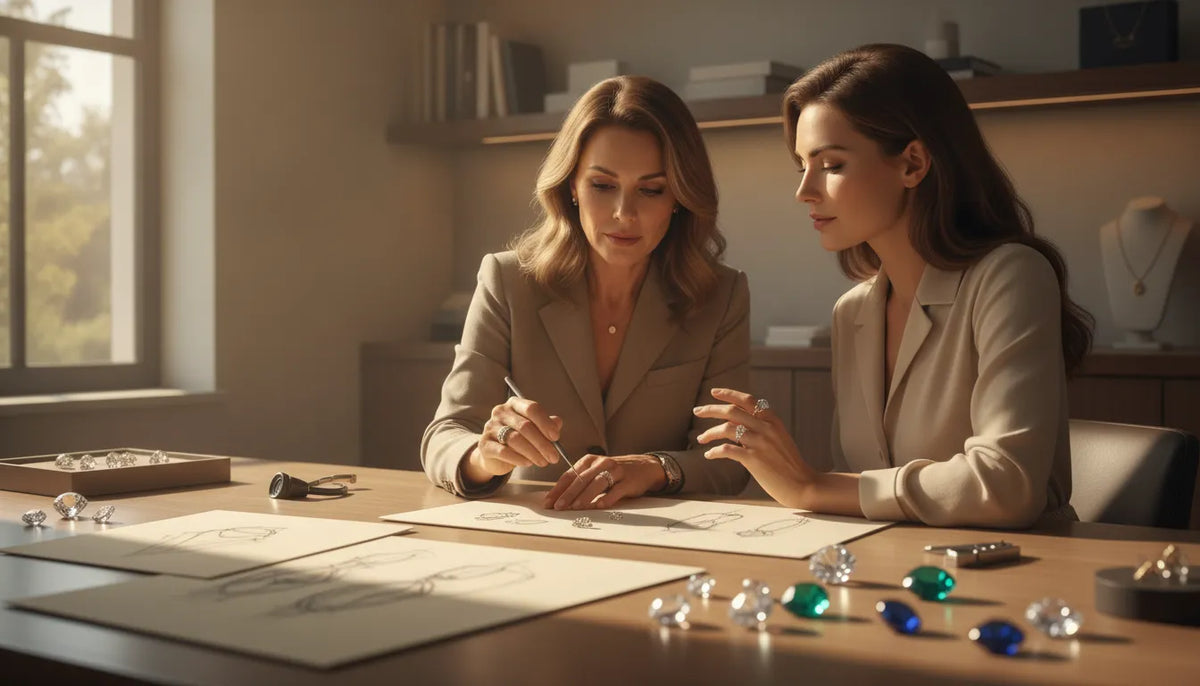
A custom jewelry consultation becomes easier to navigate when you know what matters most. Think about how you want the piece to look, how you plan to wear it, and which materials or existing stones may carry meaning. You do not need a finished design. A few saved images, a well-loved piece, or even a description of what feels like you can give the conversation a useful starting point.
Contact LUCE about a custom design consultation.
For a custom jewelry consultation, bring inspiration, existing jewelry or stones, and questions about design, materials, budget, and timing. Practical details about your lifestyle and intended wear are useful too. The goal is not to arrive with every answer. It is to leave with a clearer direction and an understanding of the decisions ahead.
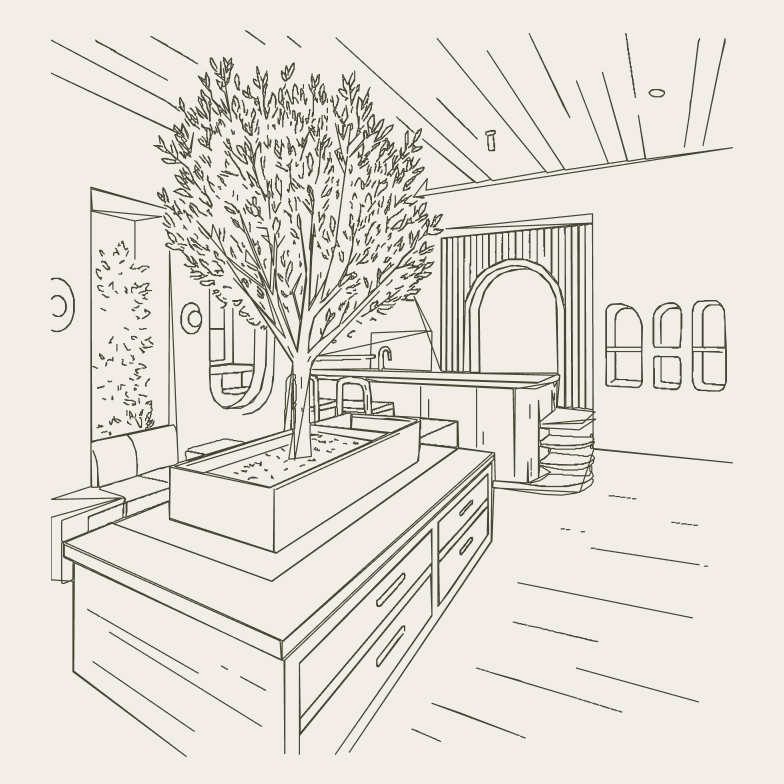
At LUCE in West Palm Beach's NORA District, the process begins with a conversation about your ideas and what you want to create. It then develops through concept, material selection, and a transparent estimate. Start by gathering references and priorities that will make the conversation specific and productive.
What Should You Bring to a Custom Jewelry Consultation?
A little preparation helps turn a first conversation into a useful exchange. Bring anything that shows what you are drawn to, along with practical details about how and when you plan to wear the piece. The goal is not to arrive with every decision made. It is to give your jeweler enough context to guide the conversation around proportion, materials, wearability, and the meaning behind the design.
- Inspiration and style references. Save images of silhouettes, details, gemstones, settings, or proportions that appeal to you. Include examples you do not like if they clarify your boundaries. A small, focused collection is more useful than an endless scroll. If you are still defining your direction, review this guide to choosing a West Palm Beach jeweler before your conversation.
- Existing jewelry or stones. Bring pieces you wear often, pieces you want to redesign, or stones you are considering for the new work. Existing jewelry can show preferred scale, metal color, texture, and fit. If a stone or inherited piece matters to you, bring any documentation you have. Ask whether its condition and characteristics should be assessed before design decisions are made.
- The occasion and your lifestyle. Explain whether the piece is for an engagement, milestone, gift, daily wear, or a more occasional setting. Mention your work, hobbies, travel, and how hands-on your routine is. These details help shape practical questions about comfort, durability, profile, and care.
- Measurements and fit information. Bring a known ring size when available, or be prepared to discuss how the piece should sit and feel. For bracelets, necklaces, or earrings, note your preferred length, scale, and weight. If the design is a gift, share whatever fit information you can confirm without revealing the surprise.
- Budget parameters and timing. You do not need to choose a final number before the consultation. Share a comfortable range or clear priorities so options can be discussed honestly. Also explain the date or occasion you are planning around. Timing can depend on the design, materials, and required work, so ask what should be confirmed for your project.
- Your questions. Write down what you want clarified about materials, gemstones, design changes, approvals, care, documentation, and next steps. Ask how the estimate is developed and what decisions need to be made before work begins. A good custom jewelry consultation should leave you with a clear understanding of the design direction and the questions still to answer.
Which Design Questions Should You Ask in a Custom Jewelry Consultation?
Begin with the feeling you want the piece to convey. Then turn that idea into practical design questions. Ask, "What proportions will suit the way I plan to wear it?" For example, a delicate everyday ring, a substantial cocktail piece, and a design intended to stack with existing jewelry may each need different scale, width, height, and surface detail. Bring reference images, but explain what you like in each one. That keeps the conversation focused on shape and character rather than copying a single piece.
Style, proportion, and everyday wear
- Which details best express my style: clean lines, organic curves, texture, symmetry, or contrast?
- How will the design look on my hand, neck, or wrist, and how will its proportions work with pieces I already wear?
- What should change if I want to wear it daily, during work, or while traveling?
- Will the height, edges, and overall structure feel comfortable and practical for my routine?
Be specific about wearability. Mention how often you wear jewelry, whether the piece may meet clothing or equipment, and whether comfort matters more than a dramatic profile. These details help the jeweler explain thoughtful tradeoffs without assuming what "practical" means for you.
Metal, gemstone shape, and setting security
Ask which metal options suit the design and how their color, karat, weight, and finish may affect the final look. You can also ask whether the proposed metal is appropriate for the intended structure and daily use. If you are considering a diamond or gemstone, ask how shape and dimensions will influence the proportions. GIA identifies round, oval, pear, marquise, and other shapes as distinct design choices, while its 4Cs framework addresses diamond cut, color, clarity, and carat weight. See the GIA diamond-buying guide for helpful terminology.
For the setting, ask: How will the stone be secured? Which areas need protection? How will the setting affect cleaning and future care? Ask whether the proposed structure can be checked or maintained over time, and clarify any gemstone treatments or origin information that matters to you before selecting a stone.
Feedback, revisions, and next decisions
Before approving a direction, ask what you will review next, how feedback is shared, and which design choices can still change at each stage. Confirm what the estimate describes and which materials or details it covers. LUCE describes its custom work as collaborative, moving from conversation and concept development through gemstone selection and a transparent estimate. You can learn more about the LUCE custom jewelry design service before your conversation, then bring your questions to the showroom in West Palm Beach's NORA District.
How Should You Discuss Budget and Materials?
You do not need to arrive at a custom jewelry consultation with every material decision made. A useful conversation should connect the piece's scope to your priorities, including its metal, gemstone, setting, size, and intended wear. Share the range you are comfortable exploring. Then ask the jeweler to explain what the estimate includes before you decide.
Ask what shapes the estimate
Invite a clear explanation of each major choice. Questions might include:
- What does the estimate include, such as metal, gemstone, setting, labor, finishing, or manufacturing work?
- How would changing the metal, stone size, shape, or setting affect the design?
- Which details add complexity, such as multiple stones, unusual proportions, or an involved setting?
- Are there alternatives that preserve the look or function while changing the scope?
Metal choice can affect the character, durability considerations, and construction of a piece. Gemstone dimensions, weight, treatments, and origin may also matter. The Federal Trade Commission distinguishes gemstone carat, a weight measurement, from gold karat, which describes gold purity. Ask the jeweler to explain how those terms apply to your design. The FTC's gemstone guidance can help you prepare.
Clarify options before approving anything
Ask whether you will receive one estimate or several paths to compare. Also ask what changes would require the estimate to be revisited. If a grading report is relevant to a diamond, ask what documentation accompanies the stone and how its information can be verified. Most importantly, request that the scope, selected materials, and applicable terms be documented in language you understand. A transparent discussion gives you room to choose intentionally without treating one design solution as the only option.
| Question to ask | Why it matters |
|---|---|
| What is included? | Clarifies materials, labor, finishing, and other agreed work. |
| What can change the scope? | Shows how size, stones, settings, and complexity affect the plan. |
| What alternatives are available? | Helps you compare ways to protect the design's purpose and wearability. |
What Questions Clarify Timeline and Production?
A clear timeline starts with clear approval points. During your consultation, ask what must be decided before work begins and when you will review the concept, materials, and final design. You can also ask how changes after approval are handled, since a new stone, altered proportions, or a different setting may affect both the work and its schedule.
What happens between approval and fabrication?
Ask whether the project includes material sourcing before fabrication, and how long gemstone selection may take. Confirm which parts are made by hand, when fabrication begins, and when stone setting and final polish occur. If the piece includes matched stones, a particular shape, or a less common material, ask whether availability could change the plan. Gemstone dimensions, treatments, durability, and care needs can all influence suitable choices, so these are useful topics to clarify before approving a design.
Which checkpoints should we expect?
Ask when you will receive sketches or other design views, what the approval milestone covers, and whether there is a checkpoint before setting. It is also reasonable to ask how fit, proportions, setting security, and finish are reviewed before delivery. A consultation should make the handoff from idea to finished piece understandable, without leaving you to guess what happens next.
What delivery timing is realistic?
Ask for an estimated range for your specific project and what could move that range. The Gemological Institute of America notes that straightforward custom rings may take at least two weeks. Complex designs or matched-stone work may take five to six weeks or longer. Those figures are general guidance, not a LUCE guarantee. Every project varies based on design complexity, material sourcing, fabrication, setting, approvals, and finishing. If you are planning around an event or gift date, share it early and confirm which milestones matter most.
Contact LUCE about a custom design consultation to discuss your idea and project timing.
Can a Consultation Include Heirloom Jewelry or Existing Stones?
Yes, bring up heirloom jewelry or an existing stone early in the conversation. A meaningful piece may provide the starting point for a new design. Reuse depends on its condition, construction, measurements, and the goals you have for the finished jewelry. Arrive with both the piece and a clear sense of what you hope to preserve.
Explain the story behind the item and what matters most to you. You may want to retain a particular gemstone, keep a recognizable detail, create a more wearable silhouette, or honor the original piece without copying it exactly. Sharing photographs, family notes, or examples of styles you like can help clarify the desired result. It may be a restoration, a transformation, or an entirely new design inspired by the original.
Ask for an assessment before deciding on reuse
Ask what the jeweler can assess during the consultation and whether the piece needs a closer examination before a recommendation is possible. The condition of the metal, the security of the setting, prior repairs, gemstone durability, and the stone's dimensions can all affect suitability. An existing stone may be structurally sound but still require a setting designed around its exact shape and proportions. Conversely, an older piece may need repair or conservation before it can be considered for a new design.
If you are bringing a diamond or colored stone, ask what information is available about its origin, treatments, grading, or prior documentation. The FTC guidance on gemstone questions can help you prepare. Do not assume that a family story or old paperwork answers every assessment question.
Discuss care and the future of the piece
Ask how the proposed design would affect everyday wear, cleaning, inspections, and future care. LUCE lists redesign among its custom services, alongside original pieces and bespoke engagement rings, so you can ask how your heirloom might fit into the broader design conversation. For more inspiration before your visit, read this guide to redesigning inherited jewelry.
A thoughtful consultation should leave you with a clearer understanding of what can be preserved, what may need to change, and which questions require further assessment. That clarity lets you make a considered decision without treating sentimental value and practical suitability as competing priorities.
How Do You Choose the Right Jeweler for the Conversation?
The right jeweler should make a custom jewelry consultation feel collaborative, clear, and comfortable. Start by reviewing the jeweler's portfolio. Look for work that reflects the scale, style, stone choices, and level of detail you want, rather than choosing based only on a single finished piece. Bring a few examples and explain what you like about each one. That gives the conversation more direction than a reference image alone.
Pay attention to how the jeweler listens. A thoughtful conversation should make room for your lifestyle, the occasion, how often you plan to wear the piece, and any existing jewelry it needs to complement. The jeweler should explain unfamiliar choices in plain language and welcome questions about metals, gemstones, settings, proportions, and wearability. You should also understand how feedback is handled as the concept develops, including when major decisions need your approval.
Transparency matters before you commit. Ask what the estimate includes, which choices affect the total, and whether material or design alternatives are available if priorities change. You can also ask how the jeweler approaches quality control, fabrication, stone setting, final inspection, and any care or resizing support after delivery. Craftsmanship involves more than the initial sketch, so answers about precision and aftercare can reveal how the relationship continues beyond the sale.
For a shopper in West Palm Beach or the NORA District, local access can make that relationship easier to build. LUCE Jewelry is located at 985 North Railroad Avenue and describes custom work as a conversation followed by collaborative design, material selection, and a transparent estimate. Explore the LUCE custom jewelry design service and learn more about the brand's LUCE family jewelry heritage before your conversation.
Frequently Asked Questions
How much does custom jewelry cost?
There is no single price because the total depends on the design, metal, gemstones, setting, labor, and scope of the project. A consultation should clarify your priorities and budget parameters, followed by a transparent estimate before production begins. Ask what is included, which decisions can affect the total, and when the estimate can be confirmed.
How long does custom jewelry take?
Timing depends on the complexity of the design, material availability, and whether stones need to be matched. The Gemological Institute of America advises allowing at least two weeks for a straightforward custom ring, while complex or matched-stone work can take five to six weeks or longer. See GIA timeline guidance for general planning context. Confirm the current schedule for your specific piece before planning it around a milestone.
What should I bring to a custom jewelry consultation?
Bring inspiration images, meaningful jewelry or stones you may want to redesign, and notes about how you plan to wear the piece. It also helps to consider your preferred style, approximate budget, desired materials, and occasion. You do not need a finished concept. The conversation is designed to help shape your ideas into a clear direction.
Can an existing piece be redesigned into something new?
Yes, redesign is one of the purposes LUCE lists for its custom design service, alongside bespoke engagement rings and entirely original pieces. Bring the existing jewelry so the team can discuss its condition, sentimental details, and which elements may inform the new design. Material reuse and stone suitability should be confirmed for the individual project.
How do I care for a custom piece after it is finished?
Ask LUCE what care guidance, inspection, repair, or resizing options are available for the specific piece, and follow the recommendations for its metal, gemstones, and setting. Do not assume every service applies to every design; confirm what is available before production and again at delivery. Thoughtful maintenance helps a personal piece stay wearable as it becomes a future heirloom.
Contact Us to Begin Your Custom Design
Contact LUCE to begin your custom jewelry consultation.
A thoughtful conversation can clarify your ideas, priorities, and next steps before your piece takes shape. Share what you are imagining, whether you are exploring a meaningful redesign, an original piece, or a future heirloom, and the team can guide the conversation from there.