Diamond Bracelet Gift: How to Choose the Right One
The right bracelet gift does more than add sparkle. It reflects how someone dresses, what she reaches for every day, and the occasion behind the gesture. A thoughtful choice starts with the recipient, not with a preset idea of what a fine-jewelry gift should look like.
Contact LUCE for help choosing a meaningful bracelet gift.
To choose a meaningful diamond bracelet gift, match the bracelet's silhouette, metal, diamond design, and fit to the recipient's personal style and the way she will wear it. A well-chosen piece can feel special for a milestone while still becoming part of her everyday jewelry wardrobe.
That may mean a continuous line of diamonds for someone who prefers classic polish. A station design for a lighter and more architectural look, or a cuff and custom direction for a collector who wants something less expected. Consider whether the bracelet should mark an anniversary, birthday, or personal milestone, then weigh practical details such as comfort, secure construction, and versatility. For West Palm Beach shoppers in the NORA District, seeing proportions and movement in person can make the decision easier. Online shoppers can use the same style-led approach from home.
The most personal gift is usually the one that feels connected to the recipient's existing jewelry and daily rhythm. Start by identifying the design language that will feel natural on her wrist, then refine the choice through the details that make it unmistakably hers.
What makes a diamond bracelet gift feel personal?
The most meaningful bracelet is chosen for the person who will wear it, not for a generic idea of luxury. Start with her existing jewelry and daily style. Does she prefer clean, understated pieces, layered texture, or a more architectural silhouette? Notice whether she reaches for warm or neutral metals, delicate proportions, or designs with a stronger presence. These details can guide you toward a gift that feels considered from the first moment she opens the box.
Her routine matters just as much as her taste. Someone who dresses simply and wears jewelry every day may appreciate a refined design that works with a watch, rings, or other bracelets. A recipient who enjoys occasion dressing may welcome more visual contrast or a distinctive line of diamonds. Consider how the bracelet will move with her life: an easy everyday piece can become part of her signature. While a bolder design may mark the celebrations when she wants to feel especially dressed.
Let the occasion shape the meaning
A diamond bracelet can commemorate an anniversary, birthday, promotion, new chapter, or a milestone that does not fit neatly into a calendar. The symbolism comes from the story behind the gift. A bracelet selected to honor years together might favor enduring design and comfortable wear. One given for a personal achievement can reflect her independence and point of view. For a self-purchase, the right choice may be the piece she has been imagining but would not have selected for herself without a reason to celebrate.
Personalization does not always require engraving or a one-of-a-kind design. It can be as simple as choosing a silhouette that echoes her style. A setting that suits her routine, or a bracelet that layers naturally with pieces she already owns. When the gift calls for a more collaborative direction, exploring custom designs can help translate a story, preference, or meaningful detail into the finished piece.
For shoppers in West Palm Beach and beyond, the goal is a confident choice without pressure. A diamond bracelet gift should feel like an extension of the recipient's life: personal enough to carry a memory. Versatile enough to wear often, and thoughtfully chosen rather than simply impressive.
Contact LUCE for thoughtful guidance choosing a bracelet gift.
Which bracelet style fits the recipient?
The best choice usually starts with how the recipient dresses, moves, and wears jewelry. A bracelet that feels right for daily layers may not suit someone who prefers one deliberate statement. While a highly structured design can feel out of place on a relaxed, understated wardrobe. Consider the visual character of the piece, how much movement it has on the wrist, and whether the recipient tends to favor recognizable classics or more personal design.
| Style direction | Visual character | Wear pattern | A good fit for |
|---|---|---|---|
| Tennis | Continuous line of diamonds. | Works day to night. Stands alone or anchors a stack. | Classic style with visible sparkle. |
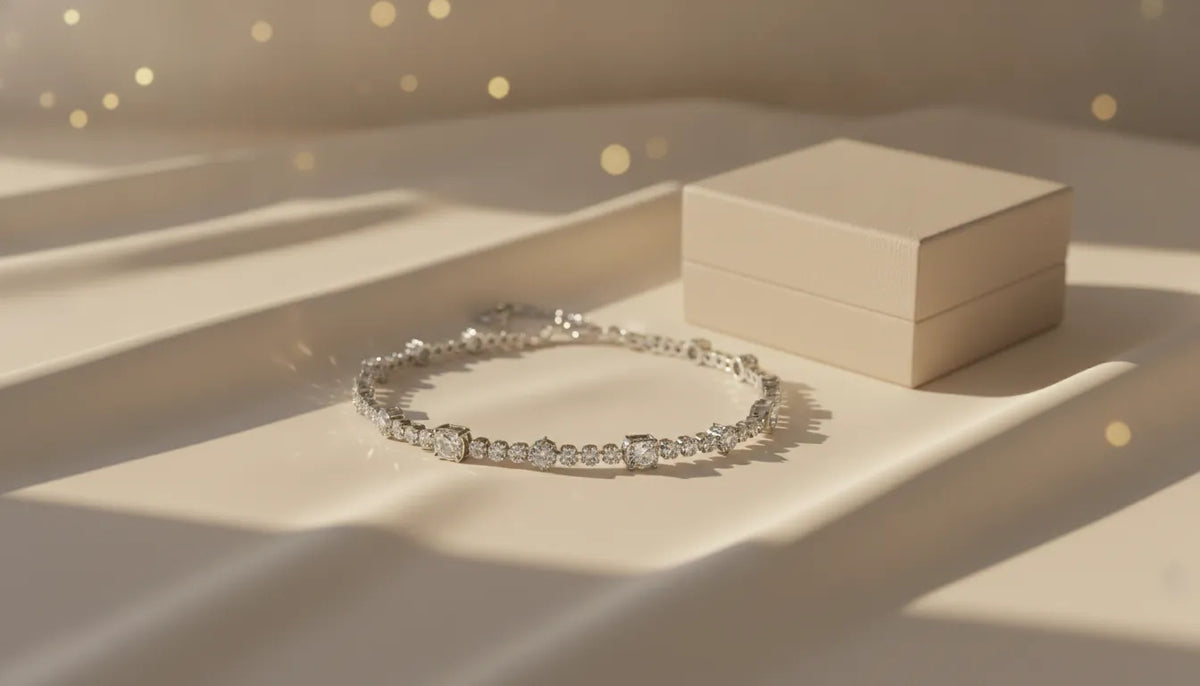
| Diamond station | Separated diamond accents with more metal. | Feels light and edited. Works well with other bracelets. | Minimalists who prefer subtle detail. |
| Bangle or cuff | Defined silhouette with a sculptural feel. | Holds its shape. Works alone or beside softer pieces. | Someone drawn to strong lines and statements. |
| Chain | Fluid, textural linked movement. | Moves with the wrist. Complements a watch or layered look. | For someone who likes texture and relaxed polish. |
| Custom or personalized | Design shaped around a meaningful detail. | Planned for an occasion or long-term wardrobe. | Specific taste or a deeply personal milestone. |
Match the silhouette to the way they already dress
Look at the jewelry they wear most often. Repeated fine chains and small earrings may point toward a diamond station or delicate chain direction. Structured cuffs, bold rings, or tailored clothing can signal that a bangle or cuff will feel natural. If their wardrobe moves between simple daywear and dressier occasions, a tennis bracelet offers a familiar classic with enough flexibility to work across both.
When the recipient already owns several bracelets, pay attention to contrast rather than duplication. A station design can add breathing room to a dense stack, while a cuff can introduce structure beside flexible chains. To compare silhouettes before deciding, browse bracelet styles and note which shapes keep appearing in the pieces they choose for themselves.
When the gift should feel especially personal
Custom or personalized direction makes sense when the meaning matters as much as the look. It allows the conversation to begin with the recipient's proportions, lifestyle, and preferred level of presence instead of forcing those details into a predetermined style. For a gift, that can be especially thoughtful when the occasion marks a new chapter, family connection, or shared memory.
How should you compare diamonds for a gift?
Start with how the bracelet will look and feel on the recipient, then use diamond quality details to refine the choice. A larger total carat weight can create more presence, but it is not the same as choosing a more beautiful or better-balanced piece. Stone size, spacing, shape, setting, and the bracelet's overall proportions all influence how the diamonds read on the wrist.
Use the 4Cs as a framework, not a scorecard
The GIA 4Cs are clarity, color, cut, and carat weight. Together, they provide a shared language for comparing diamonds, while rarity and the combination of those qualities influence value. GIA's diamond quality guide explains why no single characteristic should be considered in isolation.
For a bracelet gift, cut deserves close attention because it affects how a stone handles light and contributes to the sparkle seen in motion. Color can be considered alongside the metal and the recipient's preferences, while clarity is best evaluated in the context of the stone's size and how it is set. Carat weight describes weight, not a complete measure of visual impact. Two bracelets with similar total carat weight can look quite different if one uses larger stones with more spacing and the other creates a continuous, closely set line.
Think about visual balance and daily wear
Ask whether the bracelet should feel delicate and understated, or make a stronger statement when worn alone. A gift intended for everyday use may benefit from a balanced silhouette that layers comfortably with pieces already in the recipient's wardrobe. A milestone gift may call for more presence, but proportion still matters: the bracelet should feel intentional rather than selected around a single number.
It is also useful to compare the total design rather than focusing only on the combined carat weight. Look at the consistency of the stones, the spacing, the security of the settings, and the way the bracelet moves. These details help determine whether the piece feels refined on the wrist and suited to the person receiving it.
Choose natural or lab-grown with clear information
Natural and lab-grown diamonds can both be meaningful choices. The FTC explains that lab-created gemstones have the same chemical, physical, and visual properties as natural gemstones, while being manufactured rather than formed in nature. Its consumer guidance recommends asking about a diamond's origin and how the seller distinguishes natural from lab-created stones: read the FTC's buying guide.
The decision may come down to the story, origin, and priorities that matter to the giver and recipient. Lab-grown diamonds should not be presented as automatically environmentally neutral; production has energy and emissions considerations. A thoughtful jeweler can explain the distinction without blanket sustainability claims, so you can choose a diamond bracelet gift that aligns with the recipient's style and values.
What metal and setting choices matter?
Metal color is one of the quickest ways to make a diamond bracelet feel connected to the recipient's personal style. Yellow gold brings warmth and a softly classic look, while white metal creates a brighter, more streamlined contrast with the diamonds. If the recipient wears both, a mixed-metal design can bridge the two wardrobes without requiring an exact match. Look at the jewelry they reach for most often, including their watch, rings. And everyday chain, then choose a bracelet that complements that pattern rather than competing with it.
Karat matters, too, because the metal's composition affects its feel, color, and practical wear. LUCE works with precious metals including 14K and 18K gold, but availability and design details vary by piece. For a gift, avoid assuming that a higher karat or a particular color is automatically the best choice. The more useful question is whether the metal suits the recipient's existing collection and the way they expect to wear the bracelet.
Choose a setting for both look and security
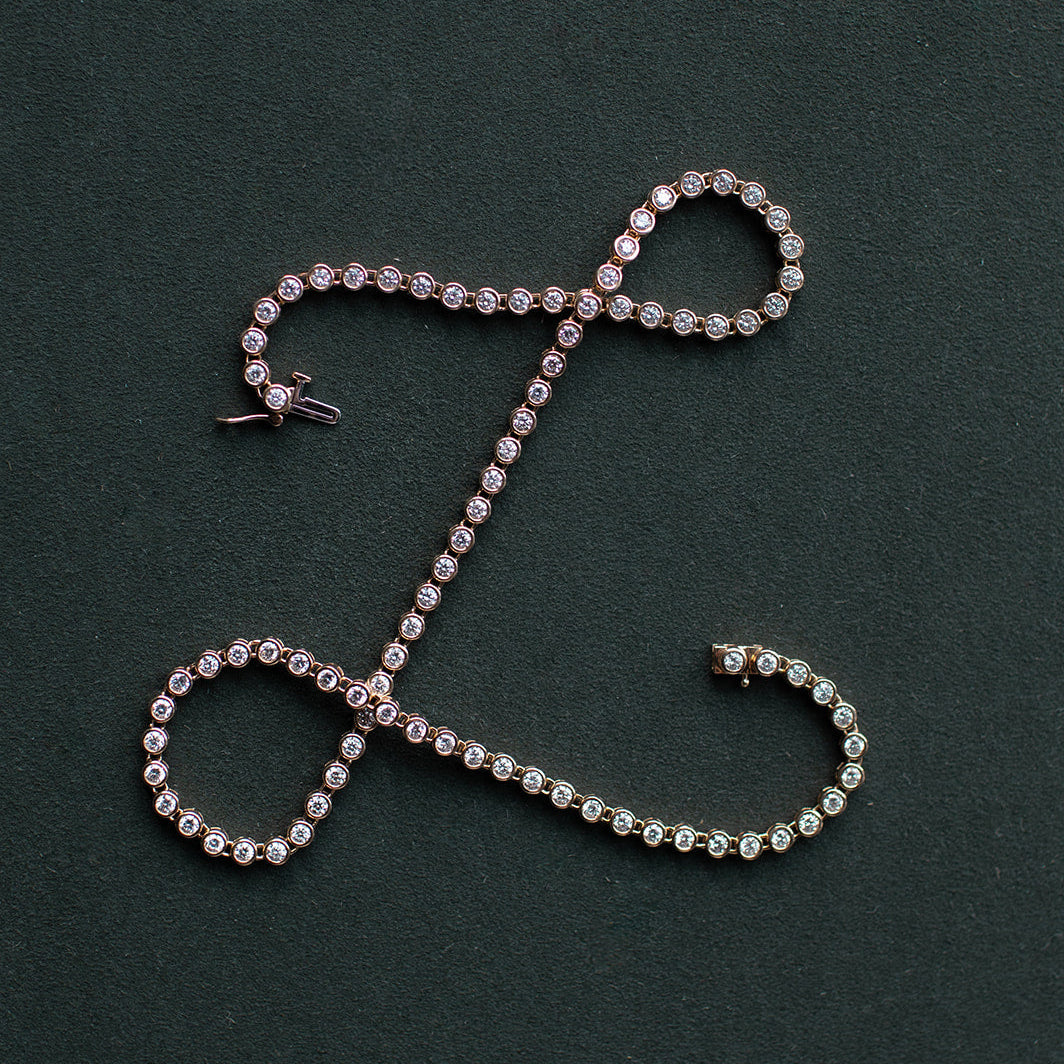
The setting controls how each diamond is held and how the bracelet moves on the wrist. Prong settings can allow more light to reach the stones and often create a classic, articulated look. Bezel settings surround a stone with a rim of metal, giving the design a cleaner outline and a more protected appearance. Station bracelets place diamonds at intervals along a chain, which can feel lighter and more understated than a continuous line of stones. A cuff or structured bracelet offers a different visual language altogether, especially for someone who prefers architectural shapes over traditional sparkle.
Pay attention to the construction beyond the front view. A secure clasp should close decisively, connections should feel finished rather than flimsy, and the stones should sit evenly in their settings. Articulation can help a bracelet follow the wrist comfortably, while a more rigid structure may provide a deliberate, sculptural profile. If the recipient is active or plans to wear the piece frequently, ask how the setting, clasp, and links are designed to support everyday use.
The best diamond bracelet gift feels considered from every angle: a metal that belongs with their collection. A setting that reflects their style, and construction that makes wearing it feel easy. When those choices align, the bracelet can move naturally from a meaningful occasion into everyday luxury.
How do you get bracelet size right?
A diamond bracelet gift should feel comfortable enough to wear often, but secure enough that the recipient is not constantly adjusting it. The right fit depends on the bracelet's construction, the wearer's wrist, and whether they prefer a close, polished look or more movement.
- Measure the wrist discreetly. If you can, wrap a flexible measuring tape around the wrist where the bracelet will sit and record the circumference without pulling it tight. No tape? Use a strip of paper, ribbon, or string, mark the overlap, then measure that length against a ruler. For a surprise, borrow a bracelet the recipient wears often and measure its inside length. Choose a similar style when possible, since a structured cuff and a flexible chain may sit differently.
- Add room for the intended fit. As general buying-guide guidance, standard bracelet lengths are often described as roughly 6.5 to 8 inches, with about 0.5 to 1 inch added to wrist circumference for comfort. Those figures are not a LUCE product specification, and the best allowance depends on the design and the recipient's preference. A close fit should rest comfortably without pinching. A looser fit should move slightly, but should not slide so far that the bracelet can catch on the hand or feel at risk of slipping off.
- Consider the bracelet's weight and movement. A line of diamonds, a station bracelet, a bangle, and a stretch design can each feel different at the same measurement. Think about whether the recipient prefers jewelry that stays in one position or moves naturally while they work and go about the day. If the gift will be layered with a watch or other bracelets, a little visual and physical space may be more comfortable than a tight fit.
- Confirm the adjustment options before wrapping. Ask whether the bracelet can be shortened, lengthened, or ordered in a custom size, and whether the construction allows those changes without altering its intended look. If you are unsure, explore custom designs or ask LUCE for guidance before placing the order. Sharing the recipient's approximate wrist measurement, usual jewelry fit, and preferred style gives a jeweler useful context without giving away the surprise.
For a gift, an adjustable or thoughtfully selected design can make the final fit easier to refine. The goal is not a number alone, but a bracelet that feels natural on the wrist and easy to reach for long after the occasion has passed.
When is a diamond bracelet the right gift?
A diamond bracelet can mark a meaningful occasion without feeling tied to one particular season or milestone. It is a thoughtful choice when you want the gift to become part of someone's real life, whether that means wearing it to a celebration. Layering it with familiar pieces, or reaching for it on an ordinary day that deserves a little more significance.
Milestones and anniversaries
For a milestone birthday, graduation, promotion, or other personal achievement, choose a bracelet that reflects the recipient's established style rather than only the importance of the event. A clean, understated design may suit someone who wears fine jewelry daily, while a more distinctive silhouette can mark a major transition. Anniversaries invite an even more personal approach: consider the way the recipient dresses, the jewelry they already wear, and the shared memory behind the gift. The best choice feels connected to the relationship, not selected from a generic list of anniversary ideas.
Birthdays, celebrations, and self-purchase
A diamond bracelet gift also works beautifully for a birthday when you want to give something enduring instead of choosing a short-lived trend. It can be especially fitting for a significant birthday, but the occasion does not need to be a round number. A bracelet may also celebrate a new chapter, a meaningful accomplishment, or simply the pleasure of giving well.
Self-purchase is just as valid. Buying a bracelet to recognize your own work, a season of growth, or a long-awaited personal goal turns the piece into a reminder of what you accomplished. For shoppers in West Palm Beach and the NORA District, seeing options in person can make that decision more intuitive. Nationwide customers can take the same considered approach online by comparing silhouettes, metal preferences, and how the bracelet may fit into an existing collection.
An everyday future heirloom
If the intention is for the bracelet to be worn often and eventually passed on. Prioritize enduring design, comfortable wear, and a style that will still feel personal years from now. Explore custom designs when the occasion calls for a detail with specific meaning, or explore all fine jewelry to consider the broader collection. A well-chosen bracelet does not need an elaborate occasion to matter; sometimes its significance comes from becoming part of everyday life.
How should the recipient care for a diamond bracelet?
A diamond bracelet is made to be worn and enjoyed, but thoughtful habits help protect its finish, settings, and overall structure. Remove it before swimming, showering, exercising, gardening, or applying lotions and fragrance. Household cleaners, chlorine, salt water, and other chemicals can affect the metal or leave residue around the stones. It is also wise to remove the bracelet before activities involving impact, pressure, or snagging. A hard strike can loosen a stone even when the damage is not immediately visible.
Store it separately and clean it gently
When the bracelet is not being worn, keep it in a soft-lined jewelry box or pouch rather than loose in a drawer. Separate storage helps prevent scratches, tangling, and contact with harder pieces. Fasten the clasp before storing a flexible bracelet, and avoid placing weight on delicate links or settings.
For routine cleaning, use lukewarm water, a small amount of mild soap, and a very soft brush. Work carefully around the underside of each setting, then rinse thoroughly and pat dry with a lint-free cloth. Avoid abrasive cleaners, stiff brushes, and improvised ultrasonic cleaning unless a qualified jeweler has confirmed that the bracelet's construction and stones can tolerate it. The diamond bracelet buying guide likewise recommends regular cleaning and inspection while cautioning against chemical exposure and impacts.
Schedule periodic inspection
Arrange a professional inspection at least annually, or sooner if the bracelet catches on clothing. Makes an unfamiliar sound, feels loose, or shows a bent link or damaged clasp. An inspection can identify movement in a setting before a stone is lost. Between appointments, gently check that the clasp closes securely, but do not attempt to tighten prongs or repair the bracelet at home. With careful storage, gentle cleaning, and regular attention, a diamond bracelet gift can remain part of the recipient's everyday rotation for years.
Frequently Asked Questions
How do I choose a diamond bracelet gift that feels personal?
Start with the way the recipient already dresses and wears jewelry. Someone who prefers understated layers may appreciate a station bracelet, bezel-set design, or flexible silhouette that works beside a watch or other bracelets. Someone drawn to classic sparkle may prefer a tennis bracelet with a continuous line of diamonds. Consider the occasion, too: a milestone gift may call for a more substantial presence, while an everyday piece should feel comfortable and easy to style. The most personal choice reflects her routine, metal preferences, and taste rather than simply choosing the most diamonds.
What is the difference between a tennis bracelet and a station bracelet?
A tennis bracelet typically places diamonds in a continuous line around the wrist, creating consistent sparkle and a classic, formal-to-everyday look. A station bracelet spaces individual diamonds or diamond accents along the chain, leaving more visual space between stones and giving the design a lighter, more understated character. Tennis styles suit recipients who love uninterrupted brilliance. Station styles can be a better fit for someone who prefers delicate jewelry, subtle movement, or easy layering. Neither silhouette is universally better; the recipient's existing collection is the most useful guide.
How can I get the right bracelet size without ruining the surprise?
Borrow a bracelet the recipient wears often and measure its inside length, or ask a trusted friend or family member to check her wrist size discreetly. You can also compare the proportions of her current bracelets with a jeweler before selecting a size. As a general buying guideline, bracelet lengths commonly range from 6.5 to 8 inches. And adding about 0.5 to 1 inch to wrist circumference can allow comfortable movement; confirm the final fit recommendation for the specific design with the jeweler. If you are uncertain, ask whether sizing, adjustment, or a custom option is available before purchasing.
Should I choose a natural or lab-grown diamond bracelet?
Both options can be meaningful, high-quality choices. Natural diamonds formed beneath the earth, while lab-grown diamonds are manufactured. The Federal Trade Commission explains that lab-created gemstones have the same chemical, physical, and visual properties as natural gemstones, but are manufactured: FTC guidance. Choose based on the story and origin the recipient values, along with the design, diamond quality, and overall feel of the bracelet. Avoid broad environmental assumptions, since production methods and energy use vary. A knowledgeable jeweler can explain the specific options clearly so the gift reflects the recipient's priorities.
Choose a diamond bracelet gift with confidence
The right bracelet brings together the recipient's style, the occasion, and the way they want to wear fine jewelry. If you are comparing silhouettes, diamond origins, metals, or sizing details, a thoughtful conversation can help you narrow the choice without taking the meaning out of the gift.
LUCE Jewelry serves West Palm Beach shoppers in the NORA District and customers nationwide with modern fine jewelry and personalized guidance. Contact LUCE to ask about choosing a diamond bracelet gift that feels personal, wearable, and made for the moment you want to mark.