Diamond Necklace: How to Choose a Lasting Style
A necklace can become the piece you reach for without thinking, but lasting style starts with more than choosing the brightest stone. Consider how a pendant sits against your usual necklines, whether the chain feels right for everyday movement, and how the scale fits your wardrobe and personal expression. The goal is a piece that feels considered now and continues to make sense as your collection evolves.
Contact LUCE for guidance choosing your diamond necklace.
The right diamond necklace balances pendant proportion, chain length, diamond fundamentals, and the way you actually dress. Start with your most common occasions and preferred silhouettes, then choose the details that support your style rather than competing with it.
From there, a few practical decisions make the buying process clearer. Your ideal proportions, chain structure, and setting should work together, creating a future heirloom with the ease of everyday luxury.
How to Choose a Diamond Necklace That Feels Like You
The right diamond necklace should make sense with the way you already dress, not ask you to build an entirely new style around it. Start by looking at the outfits you reach for most often, then consider the neckline. The amount of visual space around it, and whether the necklace will be worn alone or with other jewelry. From there, evaluate pendant proportion, chain design, diamond priorities, and your real wear habits as one connected decision. A delicate pendant may feel effortless with open necklines and simple layers, while a more substantial design may hold its own against tailored clothing or evening dressing.
Outfit context is useful because jewelry affects how line, color, and texture are perceived. A necklace can draw attention toward the face, add definition to a simple top, or become the focal point of an otherwise restrained look. That does not mean there is one correct necklace for a particular body type or neckline. It means proportion should support your preferences. Consider whether you want the piece to blend into your daily uniform, provide contrast against monochrome clothing, or mark a meaningful occasion. For more ideas about coordinating scale and necklines, explore this guide to women's necklaces.
Evaluate the whole necklace, not only the stone
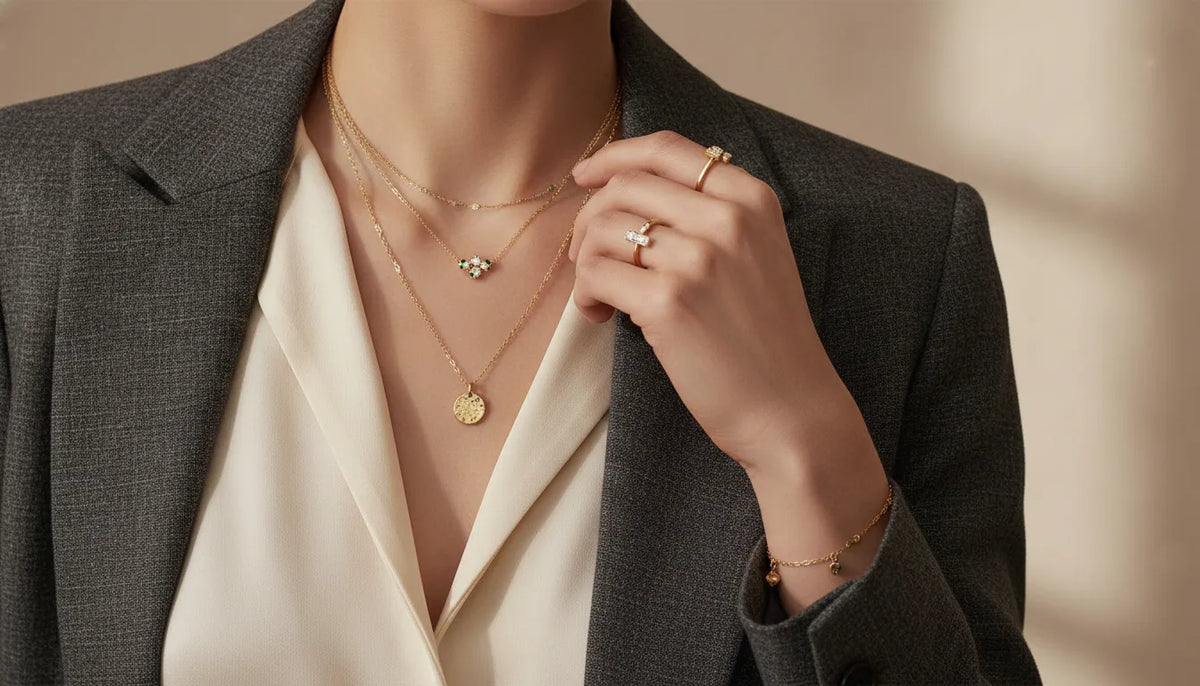
The pendant and chain work together. A focal pendant needs enough visual space to be noticed, while the chain should feel appropriate to its weight and the way it moves on the body. Length and adjustability also matter. A necklace that sits comfortably with several of your usual necklines will likely become more useful than one reserved for a narrow set of outfits. Think about whether you prefer a defined point of light, a more continuous line, or a design that can be layered without competing with everything else.
Then decide which diamond characteristics matter most to you. Cut, color, clarity, and carat weight can all shape the appearance of a stone, but they do not need to be treated as a rigid ranking system. You may prioritize brightness, a particular visual presence, or a balanced design in which the setting and silhouette carry as much importance as the diamond itself. The best choice reflects what you notice first and what you will enjoy seeing repeatedly.
Match the choice to your actual wear habits
Be honest about when the necklace will be worn. An everyday piece should feel comfortable with your routine, while a special-occasion design can be more expressive if that is where your wardrobe and personality lead. If you expect to wear it often, consider how it will coordinate with earrings, rings, bracelets, and future additions to your collection. If it is a gift, look for clues in the recipient's usual metal tones, pendant scale, and preferred level of restraint rather than choosing only by occasion.
Approached this way, choosing a diamond necklace becomes less about following a formula and more about creating a piece that has a natural place in your life. The goal is a considered choice with enough character to feel personal and enough versatility to grow into a future heirloom for everyday luxury.
Pendant Proportion and Chain Choice Matter
A pendant should feel intentional against the rest of your look, not disconnected from it. Start by considering scale: a small, refined pendant can create a subtle point of light for daily wear. While a larger design may need more visual space around it. This does not mean there is one correct size for every person. Your wardrobe, comfort, and preferred level of expression matter just as much. Accessories help shape how line, color, and texture are perceived in an outfit, so proportion is ultimately a styling decision as much as a jewelry decision.
Negative space gives the pendant room to be seen. A neckline with open skin may support a more noticeable focal point, while a patterned, high, or heavily textured neckline can call for a simpler silhouette. Consider where the pendant will rest when you move, sit, and layer clothing over it. If the necklace disappears into fabric or competes with a collar, its proportions may not be working for the way you dress. For more guidance on coordinating necklace length and neckline, explore LUCE's guide to women's necklaces.
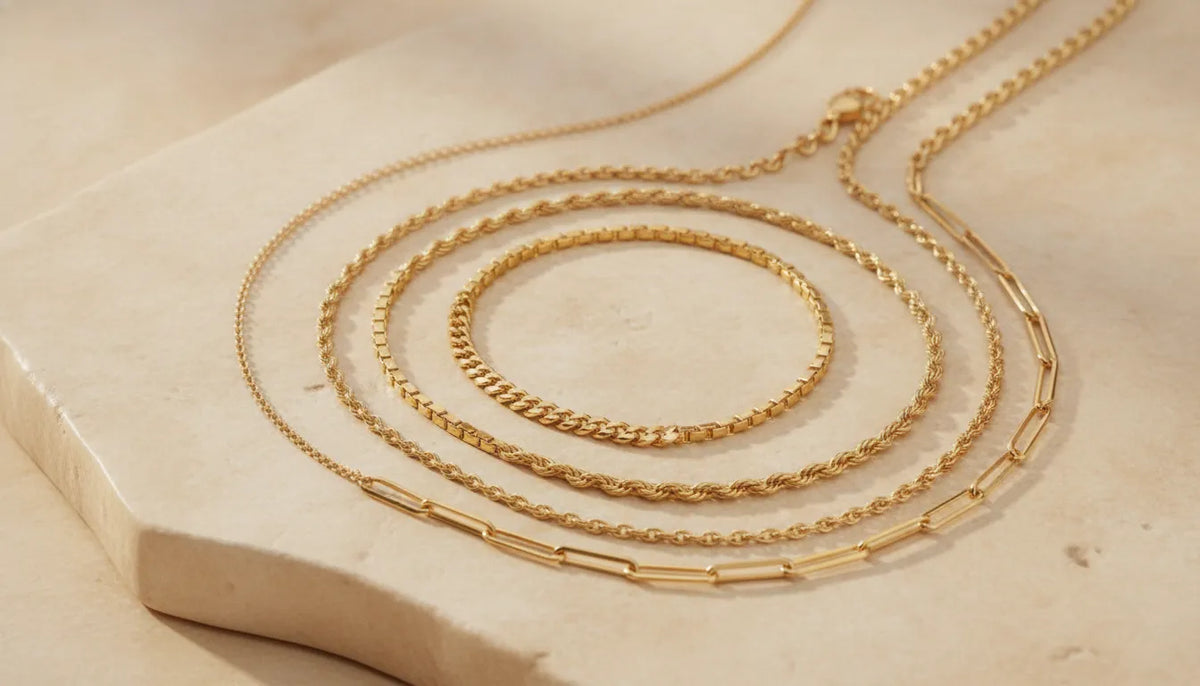
Chain construction changes the mood and visual weight of the piece. A fine chain can keep a delicate pendant feeling light and understated. A more substantial chain may balance a larger pendant or give a simple design a stronger, more contemporary presence. Texture matters, too: a smooth chain reads quietly, while links or surface detail can become part of the necklace's character. Look at the pendant bail, the point where the pendant connects to the chain, and make sure the connection feels proportionate rather than visually crowded.
Length and adjustability are practical details with a real effect on styling. A necklace that can be worn at more than one length gives you flexibility across crewnecks, open collars, dresses, and bare necklines. It can also help you create breathing room when wearing another necklace without forcing every piece into the same visual zone. If you already own a chain you love, use it as a reference when shopping: measure where it falls and notice which necklines make it easiest to wear.
For a polished result, let one element lead. If the pendant is the focal point, choose a chain that supports its shape and keep nearby layers quieter. If the chain has a strong texture or substantial presence, a restrained pendant may create better balance. The best diamond necklace is not simply the most noticeable option. It is the one whose scale, length, texture, and negative space work naturally with your clothes and the way you want to show up.
What Should You Look for in the Diamond?
Once the pendant shape and chain feel right, assess the diamond as part of the complete design rather than as an isolated specification. The 4Cs, cut, color, clarity, and carat weight, provide a useful framework for comparing what you see. They do not need to be treated as a rigid ranking system. For a diamond necklace, the best balance depends on the stone's size, setting, viewing distance, and the way you plan to wear it.
Start with cut and visual life
Cut describes how a diamond's facets interact with light. In practical terms, look for the qualities you notice first: brightness, contrast, and a lively appearance as the pendant moves. A well-proportioned stone can draw the eye even when the piece is designed for subtle, everyday wear. The shape also matters. Round, oval, pear, emerald, and other cuts create different lines and reflections, so choose the outline that works with the pendant and your personal style.
Use color and clarity in context
Color refers to the presence or absence of body color in a diamond, while clarity considers internal and surface characteristics. Neither should be judged without considering the setting and the stone's scale. A metal choice can influence the overall impression of color, and a secure setting may limit how closely the stone can be inspected during normal wear. Rather than pursuing the highest specification in every category, examine the diamond in the finished pendant and decide which qualities matter most to you visually.
Consider carat weight beyond the number
Carat weight describes a diamond's weight, not a guaranteed impression of size or presence. Two stones with the same carat weight can look different because of their shape, proportions, and how they are set. For a necklace, consider how the pendant will sit at the intended length. How it balances with the chain, and whether its scale suits your usual clothing and other jewelry. A smaller diamond can feel intentional and refined, while a larger design may serve as the focal point.
Inspect the setting and construction
The setting holds the diamond in place and contributes to the pendant's silhouette. Look at how much of the stone is visible, whether the design feels smooth against the skin. And whether the setting complements the cut instead of competing with it. Examine the connection between pendant and chain, the clasp, and any points that carry movement or tension. These construction details affect how confidently a diamond necklace can function in your real wardrobe. Evaluate the full piece together: diamond, setting, chain, proportion, and the kind of attention you want it to receive.
Compare Diamond Necklace Priorities by Wear
The right balance for a diamond necklace depends on where it will live in your wardrobe. A piece worn most days needs ease and versatility, while an evening necklace can take a stronger visual role. A gift also calls for a different kind of decision: the design should feel connected to the recipient's style and the occasion rather than simply appear impressive.
| Wear context. | Visual scale. | Key priority. | Focal-point guidance. |
|---|---|---|---|
| Everyday wear. | Light to moderate. | Comfort, secure wear, and versatility with multiple necklines. | Let the necklace add polish without competing with the rest of the outfit. |
| Professional settings. | Refined and restrained. | Clean proportion and a composed relationship with the neckline. | Keep the necklace quietly intentional so it supports, rather than distracts from, the overall presentation. |
| Evening dressing. | Moderate to statement. | Presence, contrast, and a deliberate relationship with the outfit. | Allow one necklace or another accessory to lead the look. Keep nearby pieces quieter. |
| Meaningful gifts. | Matched to the recipient. | Personal expression, daily habits, and the significance of the occasion. | Choose a focal point that feels recognizable and wearable, not disconnected from their style. |
For everyday wear, start with what will feel natural through a full day. A diamond necklace should sit comfortably, work with more than one neckline, and add definition without requiring a complete outfit around it. This is especially useful for someone building a considered collection, where a versatile piece can become part of many combinations instead of being reserved for one look.
Talk with LUCE about your diamond necklace priorities.
Professional dressing usually benefits from restraint, but restraint does not mean personality-free. A neat pendant or controlled line can act as a finishing detail, particularly when its scale respects the neckline and the rest of the jewelry. One professional-dress guide recommends coordinating jewelry metals within an outfit and keeping accessories unobtrusive in that context; treat that as a workplace guideline, not a universal rule. Personal style and the expectations of the setting both matter. Review the professional-dress guidance for its specific context.
Evening dressing gives you more room to make the necklace a focal point. Consider the neckline, fabric, and other jewelry before choosing scale. The SDSU Extension accessory guide recommends planning one attention-getting element for an outfit, a useful principle when a diamond necklace has substantial presence. If the necklace leads, let earrings, rings, or bracelets support it rather than compete for the same visual space. See the accessory proportion guidance.
For a meaningful gift, pay closest attention to the recipient's real habits. Think about whether they favor quiet daily pieces, enjoy a more visible statement, or reach for jewelry that marks milestones. The most successful choice should feel like an extension of their expression and remain comfortable enough to become part of their story.
How to Wear a Diamond Necklace Across Occasions
The most versatile way to style a diamond necklace is to let the setting, scale. And neckline work with the occasion rather than treating the piece as reserved for formal events. A refined necklace can add polish to a simple daytime outfit, bring focus to professional tailoring, or become the finishing detail for an evening look. The goal is not to change your personal style from one setting to another. It is to adjust the visual volume around the necklace so the piece feels intentional.
Everyday dressing
For casual days, start with the clothing you reach for most often. A fine chain with a restrained pendant can sit comfortably with a crewneck, open button-down, knit top, or relaxed dress. Against uncomplicated clothing, the necklace can provide a small point of light without making the outfit feel overworked. If you already wear earrings or rings daily, consider their scale before adding another statement element. One clear focal point usually creates a more balanced look than several equally assertive pieces.
Work and professional settings
At work, proportion and placement matter as much as sparkle. A necklace that rests neatly within the open space of a blouse or modest neckline can look polished without competing with the clothing. If your outfit includes a structured jacket, patterned fabric, or a strong collar, a simpler pendant may be the right counterpoint. Coordinating metal tones across your jewelry can also create a more considered effect, especially in conservative professional environments. Keep the necklace visible enough to feel purposeful, but not so prominent that it distracts from the rest of your presentation.
Evenings and celebrations
Evening dressing gives you more room to increase scale, contrast, or brilliance. A larger pendant can anchor a simple dress, while a more delicate diamond necklace may be the better choice with a detailed neckline or bold earrings. For celebrations, let the outfit determine whether the necklace should stand alone or share attention with other jewelry. If the necklace is the most eye-catching piece, keep nearby accessories quieter so its shape remains easy to see. A clean neckline can give the pendant negative space, allowing it to read as a deliberate part of the look.
Gifting and meaningful occasions
When a diamond necklace is given for a milestone, styling can remain personal rather than overly formal. Choose a silhouette that suits how the recipient actually dresses, whether that means understated pieces for daily wear or a more expressive design for dinners and celebrations. The most meaningful gift is one that can enter an existing jewelry wardrobe and be worn in more than one setting. Think about the recipient's favorite necklines, usual metal choices, and comfort with scale. Those details will guide a more thoughtful choice than occasion alone.
Balance Scale, Texture, and the Focal Point
A cohesive jewelry look usually needs one clear focal point. That might be a pendant that sits at the center of an open neckline. Sculptural earrings that frame the face, or a substantial ring that draws attention to the hands. Once you choose that lead piece, let the rest of the look support it rather than compete with it. Styling guidance from SDSU Extension similarly recommends planning one attention-getting element for an outfit, while considering scale in relation to the wearer and the clothing around it. Accessories can influence line, color, and texture, so the balance is visual as well as purely practical.
For a diamond necklace, start by looking at the garment beneath it. A simple pendant can bring definition to a smooth knit, open collar, or uncomplicated dress. If the neckline already includes pleats, embellishment, a bold print, or a high-contrast texture, a quieter chain or smaller pendant may create more breathing room. The goal is not to match every element. It is to leave enough negative space for the necklace to read clearly.
Use texture to create contrast, not clutter
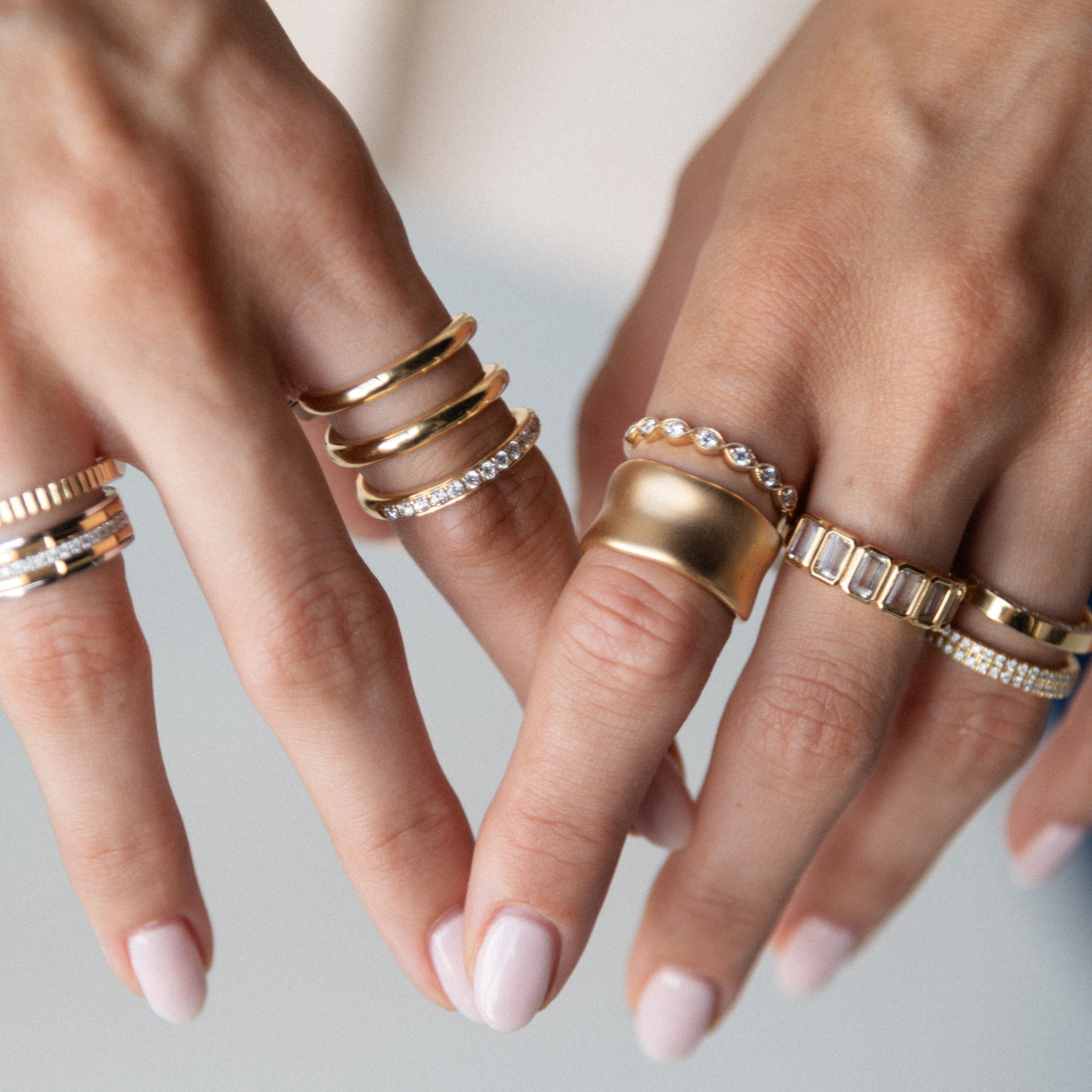
Texture gives a look depth, especially when the colors are restrained. A polished pendant can stand out against a matte fabric, while a textured chain can add interest to a streamlined outfit. If the necklace has a noticeable surface or silhouette, consider simpler earrings and rings. Conversely, a delicate necklace can sit comfortably alongside a textured ring or more expressive earrings when those pieces remain visually distinct.
Scale also applies across jewelry categories. With a larger pendant, try smaller earrings and a restrained bracelet so the eye returns to the neckline. With bold earrings, a simple necklace and delicate rings can preserve the earrings as the focal point. If the necklace is subtle, you can add interest through a considered ring stack or bracelet combination, provided the pieces do not all have the same visual weight.
Clothing complexity matters, too. A clean monochrome outfit can support more texture or a stronger silhouette. A patterned blouse may call for a simpler necklace, while a plain evening dress can make room for a more distinctive pendant. These are flexible starting points, not rules about what anyone should wear. Your comfort and personal expression should decide the final balance.
Contact LUCE to talk through your diamond necklace options.
When you want to layer, vary length, shape, or texture so each necklace remains visible instead of merging into one dense line. You can learn more about layering necklaces at different lengths. Then return to the same test: identify the focal point, check the negative space, and remove any supporting piece that distracts from the overall look.
A Five-Step Diamond Necklace Buying Checklist
Before choosing a diamond necklace, turn the decision into a short conversation with yourself. The right piece should suit the way you dress, sit comfortably where you want it to sit, and feel considered rather than chosen in a rush. Use this checklist in a showroom or while reviewing pieces online.
- Define how you will wear it. Start with real life. Is this necklace intended for frequent daytime wear, professional settings, evenings, or a meaningful gift? Everyday jewelry generally benefits from a discreet, comfortable design that works with more of your wardrobe, while a special-occasion piece can take a bolder visual role. If you are buying for someone else, consider the styles they already reach for instead of guessing at a new identity for them.
- Check the neckline and overall proportion. Picture the necklace with the necklines you wear most. A pendant should have enough visual space to be seen without competing with a collar, neckline, or other focal detail. Consider the scale of the piece in relation to your proportions and wardrobe. Accessories can personalize an outfit and influence how line, color, and texture are perceived, so the most impressive necklace is not automatically the most versatile one.
- Evaluate the chain as part of the design. Look beyond the pendant. Ask whether the chain's texture, visual weight, and length support the diamond rather than distracting from it. Adjustability can make a necklace easier to style across different necklines. Examine how the clasp feels to operate and whether the construction seems appropriate for the way you expect to wear and store the piece.
- Prioritize the diamond qualities that matter to you. Discuss cut, color, clarity, and carat weight as a group rather than treating one specification as the whole decision. Notice how the diamond looks in person or in reliable imagery, and ask which details are documented for the particular piece. Your priorities may differ depending on the setting, design, and intended wear. Do not accept a broad quality claim without asking what it specifically means.
- Ask about construction, care, and future support. Before purchasing, ask how to clean and store the necklace, which activities to avoid, and what to do if the clasp or setting needs attention. Jewelry should be removed for activities that could expose it to impact or chemicals and stored separately to reduce contact with other pieces. Clear care guidance helps protect a necklace you plan to wear often and gives a future heirloom the attention it deserves.
A thoughtful choice does not require following a rigid formula. Use these questions to compare how each diamond necklace fits your habits, personal style, and expectations for long-term wear.
Frequently Asked Questions
What pendant size works best for everyday wear?
Choose a pendant size that feels balanced against your frame, neckline, and usual wardrobe. A smaller, understated design often fits daily wear, while a larger pendant can work when the outfit has more visual simplicity. The right proportion should feel intentional without competing with your face or clothing.
Which chain length should I choose?
Start with the necklines you wear most often. A shorter chain can sit neatly above an open collar, while a longer length may create more space over a high neckline or layer with other pieces. An adjustable chain gives you more flexibility as your wardrobe and styling change.
How should I care for a diamond necklace?
Remove it before activities that may expose the necklace to impact, chemicals, or unnecessary friction. Store it separately so the chain and pendant do not catch on other jewelry, and check the clasp and setting periodically. Seek professional help if a stone feels loose or the chain shows damage.
Can I layer a diamond necklace with other pieces?
Yes. Begin with one focal necklace, then add quieter pieces in different lengths so each layer has room to read. Varying chain texture can add interest, but keep the overall combination balanced and make sure the chains do not pull against one another.
Ready to Find Your Diamond Necklace?
Choosing a diamond necklace is easier when proportion, chain style, and wear context are considered together. If you are comparing silhouettes or refining the details that will make a piece feel personal over time, LUCE can help you think through the options with clarity. Contact LUCE to discuss your diamond necklace preferences and receive personal guidance.