Women's Necklaces: A Guide to Every Style
A necklace can change the proportion, mood, and focal point of an outfit before you add any other jewelry. The right choice is less about following a trend than understanding how a chain, pendant, choker, lariat, or layered combination works with your neckline, scale, and everyday style.
Explore LUCE's necklace collection for fine jewelry styles that can stand alone or become part of a considered layer.
Women's necklaces are jewelry worn around the neck in silhouettes that range from close-fitting chokers to longer pendant and lariat designs. They come in precious metals and varied levels of visual weight. Choose by the shape you want to create, the neckline you plan to wear, and whether the piece should stand alone or become part of a layer.
That framework makes shopping more intentional, especially when you are choosing a fine-jewelry piece meant for regular wear or a future heirloom. Start by separating the main necklace types, then compare how each structure changes the way a look feels and functions.
What Are the Main Types of Women's Necklaces?
Women's necklaces are defined by more than length. The structure of the chain, the placement of any pendant, and the way the piece sits against the neckline all shape its character. Understanding the main categories makes it easier to compare silhouettes and choose a piece that fits your wardrobe rather than chasing a passing trend.
Chain necklaces
A chain necklace is built around linked metal rather than a central pendant. The links can be fine and barely there, textured and dimensional, or bold enough to become the focal point of an outfit. A classic chain works well on its own, while a more substantial design can anchor a layered look. Browse the LUCE necklace collection to compare chain-led silhouettes with other necklace structures.
Pendant necklaces
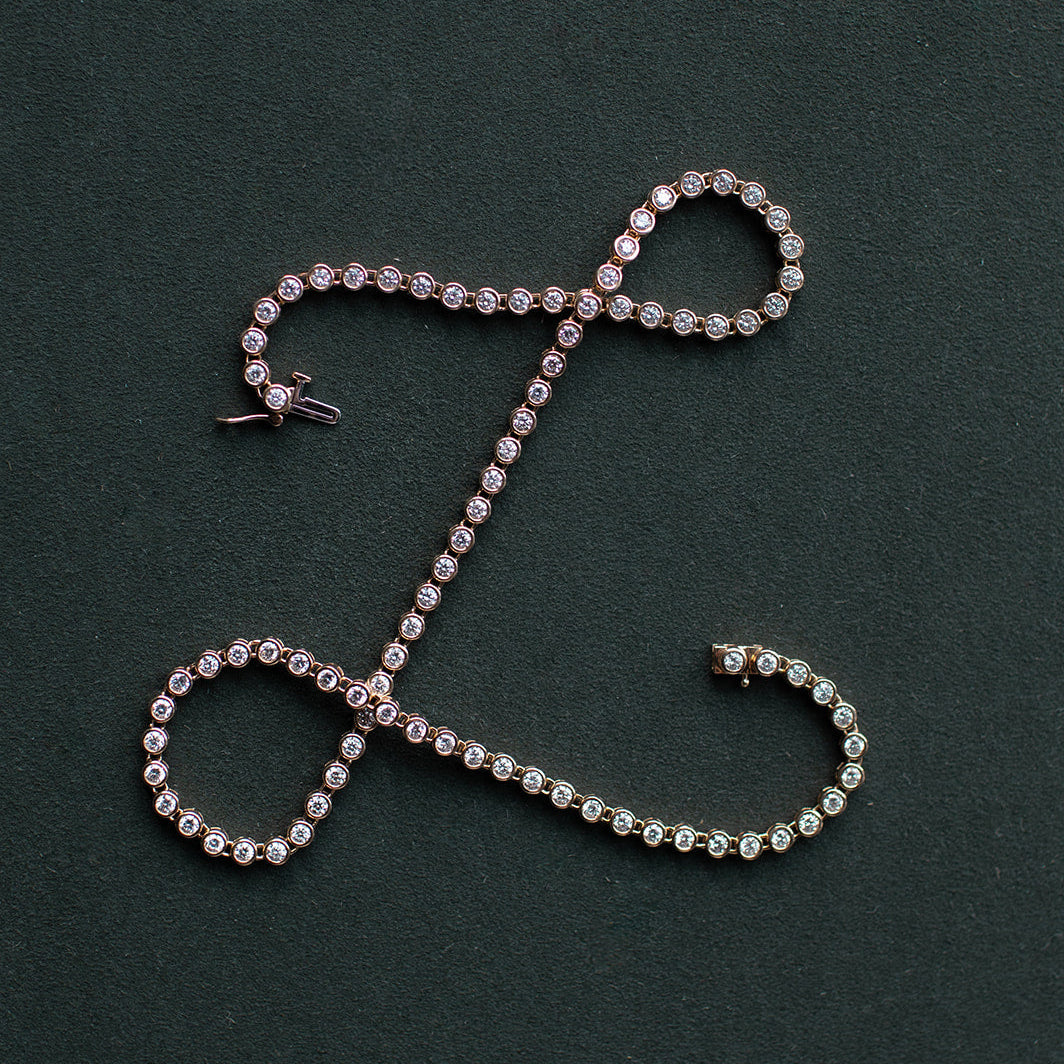
A pendant necklace combines a chain with a focal element that hangs from it. The pendant may be geometric, symbolic, or softly minimal, so this category covers a wide range of personal styles. A small bezel-set stone can keep the look refined for everyday wear, while a meaningful motif can make the necklace feel more personal. LUCE's bezel diamond necklace is an example of a pared-back pendant silhouette.
Station necklaces
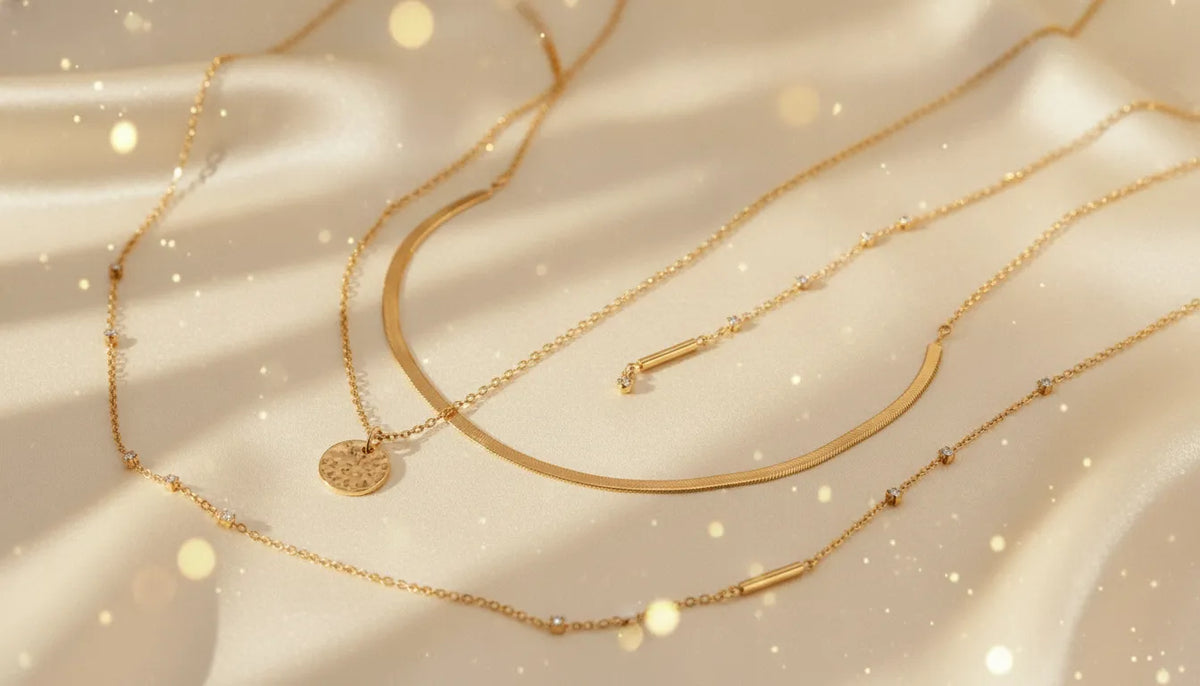
Station necklaces distribute several small elements along a chain instead of concentrating them at the center. The spacing creates movement and a balanced rhythm, making this style easy to wear alone or combine with other delicate pieces. A baguette station necklace adds a geometric detail while keeping the overall line light.
Chokers
A choker sits close to the neck, creating a defined horizontal line above or near the collarbone. It can be sleek and minimal or textured and substantial. This category is useful when you want the necklace itself to frame the neckline rather than create a long vertical drop. Fit matters: a choker should feel intentionally close, not restrictive.
Lariat necklaces
A lariat is a versatile style with a long drop or open-ended construction, often finished with a bar, stone, or other detail. Because it creates vertical movement, it can bring focus toward the center of an outfit. LUCE's pear diamond lariat illustrates how a drop element can turn a simple neckline into a more elongated silhouette.
Layered necklaces
Layering is a styling approach rather than a single necklace construction. It combines pieces with varied lengths, textures, or visual weight, such as a fine chain with a pendant and a station necklace. The most balanced combinations still have a clear anchor, with enough separation for each piece to be seen. Start with the silhouette you wear most often, then add contrast gradually.
How Do Chain and Pendant Styles Change the Look?
Two necklaces can share a similar length and still create very different impressions. The chain establishes the first visual signal: a fine, close-set design can feel quiet and polished. While larger links or a more dimensional construction create stronger scale around the neckline. A round box chain in 14K yellow gold reads differently from a chain built around bold fancy links. The difference is not simply how much metal is visible. It is the rhythm, texture, and proportion of the links as they sit against the skin.
Think of chain structure as the foundation of the necklace. Slim chains allow a pendant to take the lead and are often easy to combine with other pieces. A heavier or more articulated chain can hold its own without a focal charm. That makes it useful when you want the necklace to define an outfit rather than quietly support it. When choosing among women's necklaces, compare the scale of the chain with your usual necklines, earrings, and other jewelry. The goal is a deliberate relationship between each element, not a competition for attention.
How does a pendant direct the eye?
A pendant adds a clear focal point and gives the eye somewhere to land. Its shape, size, and position can reinforce the line of a neckline or introduce contrast against it. A small bezel setting offers a restrained, centered accent, as shown by this bezel diamond necklace. It can read as an everyday layer because the design keeps the emphasis concentrated rather than spreading visual weight across the full chain.
A symbolic pendant changes the feeling again. The diamond heart-key pendant on a sparkle chain brings meaning and recognizable shape into the composition. The necklace can function as both an accent and a personal statement. That kind of design may be especially effective when the rest of an outfit is simple, allowing the pendant to carry the story without requiring additional layers.
What do stations and spacing add?
Station necklaces distribute detail along the chain instead of concentrating it at one point. The spaces between the elements create pauses, which can make a design feel balanced and airy while still adding texture. A petite baguette station necklace illustrates how geometric detail can support delicate layering without overwhelming a second fine chain. Closer spacing creates a denser impression; wider spacing gives each station more independence.
As you compare styles, decide whether you want one defined focal point, an even pattern of accents, or a chain with enough presence to stand alone. That choice will shape the necklace's personality before length or neckline enters the conversation.
Which Women's Necklaces Work Best With Different Necklines?
Neckline and necklace should have a clear visual relationship. The goal is not to follow a rigid rule about what flatters a particular body type. Instead, look at where the garment ends, where the necklace rests, and whether the two shapes support or compete with each other. Necklace dimensions can influence the harmony of an outfit, so consider both the line of the clothing and the amount of visual space available.
| Neckline | Necklace direction | Why it works |
|---|---|---|
| Crew neck | Short chain, pendant, or compact station style above the neckline | A shorter necklace creates a deliberate boundary instead of disappearing into the fabric. Keep the scale distinct from the collar. |
| V-neck | Pendant or lariat that follows the V | A drop that echoes the garment's direction makes the neckline and necklace feel connected. A simple chain can also keep the look quiet. |
| Strapless or sweetheart | Choker, short strand, or longer pendant | With the upper chest open, the neckline can support several lengths. Choose based on whether you want a close, centered accent or a longer vertical detail. |
| Collared shirt | Necklace inside the open collar or a longer style over the shirt | The open space between the collar points can frame a shorter necklace. A longer piece works when it is intentionally layered over the garment. |
| Boat neck | Longer single strand or pendant | A vertical drop balances the neckline's horizontal emphasis without competing directly with its edge. |
| Open neckline | Choose length and scale according to the available space | An open neckline gives a necklace room to become the focal point. A pendant, station necklace, or layered combination can work if the silhouette remains intentional. |
These pairings reflect a practical styling framework: a crew neck often benefits from a necklace that sits above it. While a deeper V can accommodate a pendant that follows its shape. Strapless and sweetheart necklines are especially flexible, and collared shirts often provide a natural frame within the collar. A boat neckline generally benefits from a longer strand that adds a contrasting vertical line. Neckline and length guidance supports these relationships without turning them into fixed rules.
Scale matters as much as length. A fine chain can disappear against a busy print or substantial knit, while a bold chain may overwhelm a delicate blouse. Consider the necklace's width, pendant size, and finish alongside the garment's texture. For everyday styling, a refined pendant or spaced station design can leave comfortable visual space around the neckline. When the clothing already has strong detail, one deliberate necklace may look more polished than several competing layers.
Use the same test when shopping the LUCE necklace collection: hold the intended neckline in mind, then choose the piece that creates balance rather than simply filling space.
When Should You Choose a Choker, Lariat, or Longer Necklace?
Choose among these silhouettes by deciding where you want the eye to settle. A choker keeps the visual focus close to the neck. A lariat creates a vertical drop. A longer necklace gives a pendant, chain, or strand room to move below the collarbone. The right choice depends less on a fixed rule than on your neckline, the scale of your clothing, and whether you want a close, centered, or elongated effect.
Choose a choker for a close, defined line
A choker is the natural choice when you want the necklace to sit close to the neck and act as part of the neckline itself. A choker has a close-to-the-neck silhouette that can bring definition to an open neckline or add structure to a simple top. Chokers are commonly associated with the 14- to 16-inch range, although the best fit depends on the wearer and the necklace construction. The important test is comfort: it should sit securely without feeling restrictive.
This proportion can work especially well with strapless or sweetheart clothing, both of which leave space for a short strand or a close-fitting design. It can also create a deliberate contrast against a higher neckline when the jewelry is visible rather than hidden by fabric. Keep the rest of the look considered. A substantial choker already establishes a strong horizontal line, so a quieter earring or a restrained second chain may create a more balanced result.
Choose a lariat when you want a deliberate drop
A lariat guides the eye downward without the visual weight of a traditional pendant at the center of a chain. Its drop gives the style a sense of movement and can follow the open space created by a V neckline. It can also bring a focal point to a simple crew neck or open shirt, provided the drop remains visible and does not compete with the garment.
For a fine-jewelry example, the pear diamond lariat uses a pear-diamond detail to make the drop the defining feature. Treat that drop as a styling decision: wear it when you want a clear center point. Rather than when you want the necklace to blend quietly into a layered look.
Choose a longer necklace for space and proportion
Longer necklaces suit outfits that need a lower focal point or a single strand with room to fall. Lengths around 20 to 24 inches typically sit between the collarbone and bust, making them useful with open shirts, simple dresses, and boat necks. A longer single strand can add visual length without competing with a boat neckline's horizontal emphasis. An 18- to 20-inch necklace sits just below the throat and remains a versatile middle ground for many necklines.
Before choosing, check where the necklace will land against the garment. If fabric will obscure the pendant or the drop, a shorter style may communicate the intended silhouette more clearly. The best women's necklaces support the outfit's line, rather than competing with it.
How Can You Build a Balanced Necklace Layer?
A successful layer feels composed rather than crowded. The goal is not to combine as many women's necklaces as possible, but to create a clear relationship between length, scale, texture, and the neckline beneath them. Use this five-step framework to make each piece contribute something distinct.
-
Choose one anchor
Begin with the necklace that establishes the mood and visual center of the layer. An anchor might be a pendant, a more substantial chain, or a design with a meaningful detail. Keep the rest of the stack in conversation with it instead of competing for attention. LUCE's assortment spans delicate, mid-scale, and statement silhouettes, so start by deciding whether your anchor should feel understated, graphic, or more prominent.
-
Vary the lengths
Give each necklace enough space to be seen. A close necklace can sit above a second piece that falls near the collarbone, while a longer style creates a lower point of focus. Common necklace ranges include 14 to 16 inches, 18 to 20 inches, and 20 to 24 inches. But the exact spacing depends on your neck, the chain structure, and the clothing underneath. Avoid placing two pendants at the same drop unless their scale is intentionally matched.
-
Vary the visual weight
Balance does not require identical pieces. Pair a fine chain with a more defined pendant, or offset a polished link with a lighter station design. Texture can add interest without making the layer feel heavy. A station necklace distributes detail across the neckline, while a simple chain creates visual breathing room. For a geometric, delicate option, consider LUCE's baguette station necklace.
-
Coordinate materials and finishes
Choose whether the layer should feel unified or intentionally mixed. Matching precious-metal tones creates a streamlined effect; combining different tones can add contrast when the shapes and proportions remain consistent. LUCE works with precious metals including 14K and 18K gold and titanium. Let the material support the overall mood, and repeat one finish or motif if the stack needs a stronger visual thread.
-
Check the neckline before you leave
Try the finished layer with the clothing you plan to wear. The necklaces should remain visible, move comfortably, and avoid disappearing into or competing with the neckline. A high neckline may call for a shorter, more defined layer, while an open neckline can accommodate longer spacing. If the arrangement looks busy, remove one piece before adding another. Explore the LUCE necklace collection for silhouettes that can work individually or become part of a considered stack.
What Should You Look For When Buying a Fine Necklace?
A fine necklace should make sense for the way you dress, move, and want to feel in it. Before focusing on a particular silhouette, use a short checklist to evaluate the material, construction, scale, intended wear, and meaning behind the piece. This keeps the decision personal and practical rather than driven only by a passing trend.
Start with the metal and material
Ask what the necklace is made from and whether that material fits your preferences. LUCE jewelry uses precious metals including 14K or 18K gold and titanium. And the brand states that it does not use plating or vermeil, focusing instead on solid precious metals. Understanding the material helps you compare pieces clearly and choose a finish that feels right with the rest of your collection. If you are unsure, ask about the metal, any gemstones, and the care the piece requires before buying.
Look closely at construction
Examine how the chain, clasp, pendant, or stations work together. A necklace can be delicate without feeling visually slight, while a more substantial design may be defined by its links or structural details. Look for a finish that feels considered from every angle, especially if the necklace is intended for frequent wear. A jeweler should be able to explain the construction in straightforward terms, including how to handle, store, and maintain the piece.
Match the scale to your wardrobe
Scale includes more than chain thickness. Consider the size of a pendant, the spacing of stones or stations, the length of the drop, and how the necklace will sit against your usual necklines. LUCE's assortment spans entry-level, mid-scale, and statement pieces, making scale, silhouette, material, and intended wear useful comparison points. A smaller design may suit a quiet everyday uniform, while a bolder silhouette can become the defining element of an otherwise simple outfit. Neither approach is more correct. The best choice is the one that feels balanced on you and works with the clothes you actually wear.
Think beyond the first occasion
Picture the necklace in at least three settings: an ordinary day, a dressed-up occasion, and a layered look if that appeals to you. Check whether the length works with your favorite necklines and whether the visual weight complements pieces you already own. Then ask about care and service. Clear guidance on storage, cleaning, inspections, and future assistance can make ownership feel more confident, particularly when the necklace carries personal significance.
Finally, give the piece room to mean something. LUCE speaks to future heirlooms for everyday luxury, and many shoppers choose jewelry to mark self-expression, a milestone, or a developing collection. Browse the LUCE necklace collection with those priorities in mind. You do not need to choose the most elaborate design. Choose the necklace whose material, craftsmanship, scale, and story continue to feel like you.
Frequently Asked Questions
What type of chain necklace is most flattering for a woman?
Choose the chain that fits your neckline, scale, and personal style rather than following a universal rule. A fine chain can keep a pendant understated, while a bolder link creates more visual weight on its own. For a high or crew neckline, a shorter necklace can sit neatly above the fabric. A longer pendant can echo the shape of a deeper V neckline, helping the jewelry feel intentional instead of crowded.
What necklace length is the most versatile?
An 18- to 20-inch necklace is often treated as a versatile length because it falls just below the throat and works with many necklines. A 14- to 16-inch length creates a closer choker-style fit, while 20 to 24 inches typically falls between the collarbone and bust. Use those ranges as starting points, then consider your actual neckline, pendant size, and preferred layering position.
How do I choose between a pendant, station necklace, and plain chain?
Choose a plain chain when the link structure or metal should carry the look. A pendant adds a focal point and can introduce symbolism, color, or a distinct silhouette. A station necklace spaces decorative elements along the chain, giving you detail without concentrating all the visual weight in one place. Think about whether you want one clear point of attention or an evenly distributed shimmer.
How can I layer necklaces without making the look feel busy?
Start with one anchor necklace, then add a second piece with a different length or visual weight. Keep the spacing visible, and balance a delicate chain with a more defined pendant or station design rather than stacking several pieces that compete equally. Check the neckline before adding more, and coordinate the metals or let a deliberate contrast become the styling choice.
Contact LUCE for Personalized Necklace Guidance
Choosing between a chain, pendant, choker, lariat, or layered look becomes easier when your style, neckline, and intended wear guide the decision. Contact LUCE to talk through a fine necklace choice or build a collection with a thoughtful, personal point of view.