How Does Diamond Cut Quality Impact Brilliance?
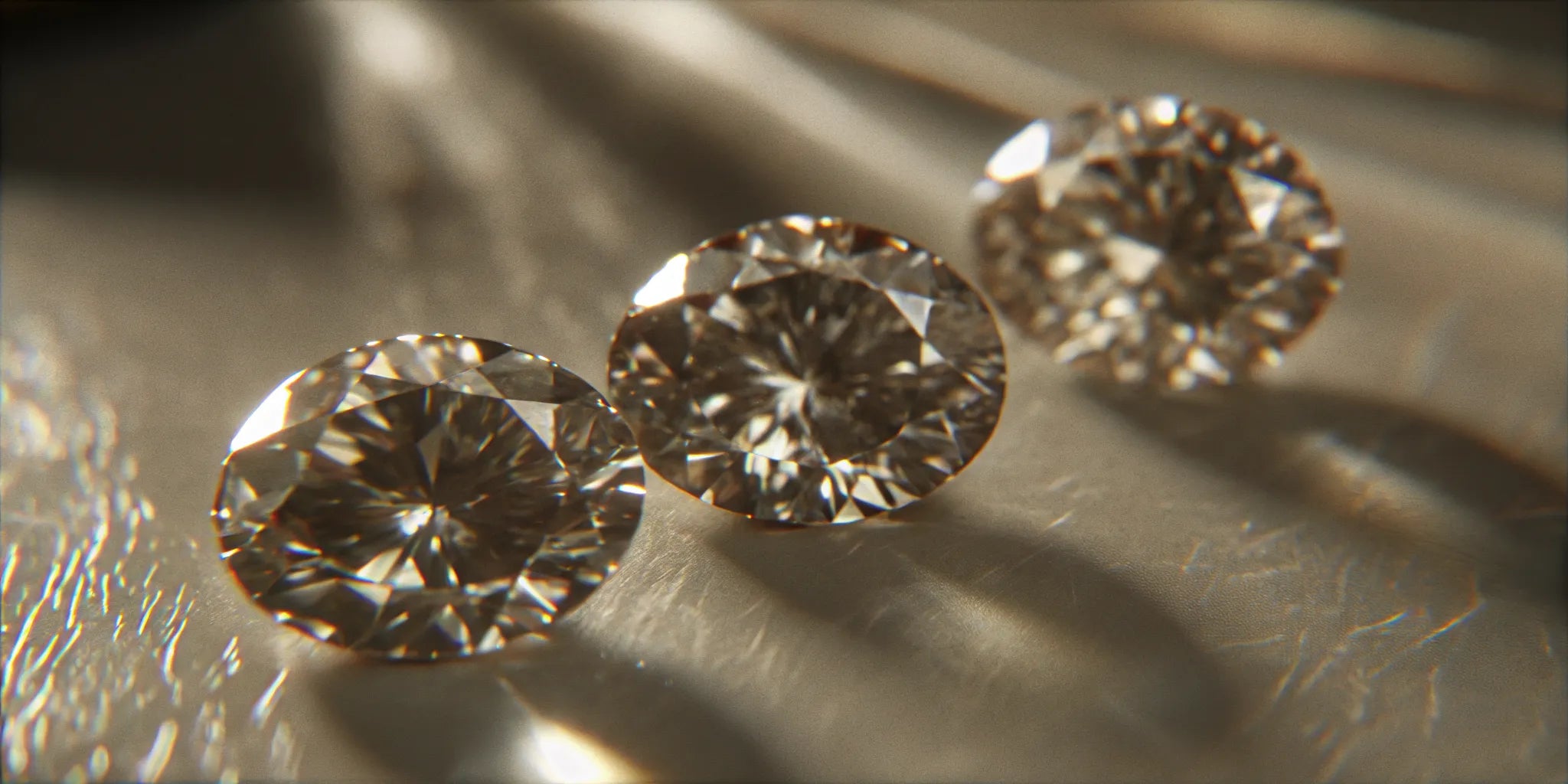
Think of a raw diamond as holding potential energy. The diamond cutter’s job is to unlock that energy and turn it into a dazzling display of light. They do this through the cut—the precise shaping and polishing of dozens of tiny facets. Each facet must be perfectly angled to catch light, bounce it around inside the stone, and reflect it back out in a brilliant flash. This intricate light play is what we see as sparkle. The way a diamond cut quality impact brilliance is a testament to the artisan's skill. This guide will demystify the process, helping you see diamonds like a jeweler.
Key Takeaways
- Focus on Craftsmanship, Not Just Shape: While shape refers to a diamond's outline (like round or oval), cut quality is about the precise arrangement of its facets. This craftsmanship is the true source of a diamond's brilliance and fire.
- Invest in Cut for Maximum Impact: A superior cut is the smartest way to spend your budget. It makes a diamond sparkle intensely, which can make the stone appear larger and brighter while cleverly hiding minor imperfections in color or clarity.
- Match the Diamond to Your Design: The ideal diamond cut works in harmony with your chosen setting and personal style. Whether you prefer the classic sparkle of a round brilliant or the sleek lines of an emerald cut, the right choice will create a cohesive and beautiful piece of jewelry.
What Is Diamond Cut Quality?
When we talk about a diamond's "cut," it’s easy to think we’re discussing its shape, like round, oval, or pear. But in the world of fine jewelry, cut refers to something much more important: the craftsmanship that gives a diamond its sparkle. Diamond cut quality is all about how well a stone’s facets, its tiny flat surfaces, are angled and arranged to interact with light. It’s a measure of how skillfully a raw diamond was transformed into a brilliant gem.
A well-cut diamond will capture light, reflect it internally from facet to facet, and return it through the top of the stone in a dazzling display of brilliance. A poorly cut diamond, on the other hand, allows light to escape through the sides or bottom, resulting in a dull and lifeless appearance. Think of it as the single most important factor that determines a diamond's beauty. Getting the cut right is the first step when you design your own ring, as it sets the stage for the entire piece.
How Cut Quality Is Measured
So, how is this crucial quality graded? Gemological labs, like the Gemological Institute of America (GIA), determine a diamond's cut grade by looking at how its proportions, symmetry, and polish work together. It’s not just one thing but the combination of these elements that creates stunning light performance. They assess the diamond's overall appearance (its brilliance, fire, and scintillation), its design (the proportions and angles), and its craftsmanship (the precision of its polish and symmetry). This detailed evaluation results in a grade that tells you exactly how well the diamond will sparkle.
Why Proportions, Symmetry, and Polish Matter
Each of these three elements plays a vital role in a diamond's beauty. Proportions refer to the diamond's measurements, like its depth and table size. When a diamond is cut to ideal proportions, it acts like a perfect hall of mirrors, allowing light to enter and reflect internally to create maximum brilliance. Symmetry is about the alignment of the facets. If they aren't perfectly lined up, light can be misdirected, creating dark spots and diminishing the sparkle. Finally, polish refers to the smoothness of the diamond's surfaces. A flawless polish ensures light can pass through cleanly, without being scattered or dimmed. Getting these details right is what makes our custom designs truly shine.
How a Diamond's Cut Creates Sparkle
When you look at a diamond, what makes you catch your breath? It’s that incredible sparkle. But that dazzling light show isn’t an accident; it’s the direct result of a diamond’s cut. While color, clarity, and carat weight get a lot of attention, the cut is the one factor that truly brings a diamond to life. It’s all about how a skilled artisan shapes and facets the stone to manipulate light. A perfect cut can make a diamond appear larger, brighter, and more brilliant, while a poor cut can make even the most flawless stone look dull. Let's break down exactly how this works.
Brilliance, Fire, and Scintillation: What's the Difference?
You’ll often hear jewelers use a few specific terms to describe a diamond's sparkle, and they each mean something different. First, there's brilliance, which is the intense white light that reflects from the diamond's surface and interior. Think of it as the stone's overall brightness. Then you have fire, which refers to the beautiful rainbow colors that flash as light splits within the diamond, like a tiny prism. Finally, scintillation is the play between light and dark areas you see as the diamond moves. It’s that captivating twinkle that gives the stone its lively, dynamic appearance. A well-cut diamond balances all three of these elements perfectly.
The Problem with Shallow or Deep Cuts
A diamond's sparkle depends entirely on how well it handles light, and that comes down to its proportions. If a diamond's cut is too shallow (too flat), light entering the top will leak straight out the bottom before it has a chance to reflect. This makes the diamond look glassy and lifeless. On the other hand, if the cut is too deep, light will escape out of the sides, creating a dark, shadowy effect in the center of the stone. An ideal cut has facets angled with precision, creating a perfect hall-of-mirrors effect that directs light back up through the top. This is why our custom design process prioritizes finding stones with exceptional proportions.
How Light Leakage Dulls a Diamond's Sparkle
The term "light leakage" is exactly what it sounds like, and it's the number one enemy of a brilliant diamond. In a beautifully cut stone, light enters through the top, bounces off the internal facets, and shoots right back out to your eye. This journey is what creates that incredible sparkle. But when a diamond is cut poorly, that path is broken. Light "leaks" out of the sides or bottom of the stone instead of returning to the top. This leakage prevents the diamond from achieving its full potential for brilliance and fire, leaving it looking dull and underwhelming. No matter its size or color, a diamond with significant light leakage will never have that eye-catching radiance you’re looking for.
Why Cut Is the Most Important "C"
When you start learning about diamonds, you hear a lot about the 4Cs: Cut, Color, Clarity, and Carat. While they all play a role, I’m going to let you in on a little secret: one of them matters far more than the others. If you want a diamond that turns heads with its incredible sparkle, you need to prioritize the cut. A diamond’s cut is the single most important factor in determining its brilliance. It’s what gives a diamond that fiery, mesmerizing quality we all love. Think of the cut as the key that unlocks a diamond's potential, transforming it from a simple stone into a brilliant spectacle of light.
How Cut Affects a Diamond's Color and Clarity
A diamond’s job is to sparkle, and a great cut is what makes that happen. A well-cut diamond acts like a perfectly angled house of mirrors. It catches light, bounces it around inside the stone, and sends it straight back to your eye as dazzling brilliance. This incredible light return can work wonders, making the diamond appear whiter and brighter than its color grade might suggest. It can also help mask small inclusions (the tiny imperfections inside the stone). A superior cut means maximum sparkle, which cleverly distracts the eye from minor flaws in color or clarity, giving you a stone that looks absolutely stunning.
Cut vs. Carat: What Really Creates Sparkle?
It’s easy to get caught up in carat weight, but a bigger diamond isn’t always a better one. The true magic is in the sparkle, and that comes from the cut. A smaller diamond with an excellent cut will outshine a larger diamond with a poor cut every single time. Why? Because a poorly cut diamond leaks light out of the bottom and sides instead of reflecting it back to you. You end up with a stone that looks dull and lifeless, no matter its size. When you design your own ring, focusing on a superior cut is the best way to get a breathtakingly beautiful piece that looks impressive from every angle.
Common Myths About Diamond Cut
Let’s clear up a few common myths. One of the biggest is that you need a top-tier color and clarity grade for a beautiful diamond. While those factors are part of the equation, they are far less important than the cut. An excellent cut can make a diamond with a slightly lower color grade (like G or H) appear just as bright and white as a colorless one. Another myth is that all round diamonds sparkle the same. In reality, an excellent cut diamond will always out-sparkle those with a lower cut grade, regardless of their shape. Don't just focus on the stats on paper; trust your eyes and prioritize that brilliant sparkle in the beautiful rings you consider.
A Guide to Diamond Cuts and Shapes
Choosing a diamond’s shape is one of the most exciting parts of designing your jewelry. While "cut" technically refers to the facets and proportions that create sparkle, it’s also used to describe the diamond's overall shape. Each shape has a distinct personality and interacts with light differently. Whether you’re drawn to timeless classics or modern silhouettes, there’s a perfect shape waiting for you. Let's explore some of the most popular options to help you find the one that speaks to your style.
Round Brilliant: The Gold Standard for Sparkle
When you picture a diamond, you’re probably thinking of a round brilliant. It’s the most popular diamond shape for a reason. With 58 masterfully arranged facets, this cut is engineered for maximum sparkle, fire, and brightness. It reflects more light than any other shape, creating that iconic, dazzling effect. The round brilliant is a truly timeless choice that looks stunning in any setting, from a simple solitaire to a more intricate design. Its versatility and unmatched brilliance make it the gold standard for anyone looking to create a classic piece of fine jewelry.
Princess and Cushion: Modern, Geometric Brilliance
If you love sparkle but want a more contemporary look, the princess and cushion cuts are fantastic choices. The princess cut features a square shape with sharp, clean corners, offering a modern edge with brilliance that rivals a round diamond. The cushion cut, sometimes called a "pillow cut," has a square or rectangular shape with soft, rounded corners. It combines the brilliance of a round cut with a romantic, vintage-inspired feel. Both of these shapes are perfect for creating unique rings that feel both classic and current.
Emerald and Asscher: Understated Elegance
For those who appreciate clean lines and sophisticated glamour, the emerald and Asscher cuts are exceptional. These are "step cuts," meaning they have long, rectangular facets that create a mesmerizing "hall of mirrors" effect. Instead of intense sparkle, these cuts emphasize the diamond's clarity and luster, offering a chic, understated elegance. The emerald cut is rectangular, while the Asscher is its square counterpart, both evoking a timeless, Art Deco vibe. These distinctive shapes are perfect for a custom design that highlights clarity and a confident sense of style.
Oval, Pear, and Marquise: Unique, Brilliant Silhouettes
If you want a diamond that stands out from the crowd, consider a brilliant cut with a unique silhouette. The oval cut offers the same fire as a round brilliant but in an elongated shape that can make your fingers appear longer and slimmer. The pear shape, with its distinctive teardrop silhouette, is both elegant and eye-catching, especially in pendants and earrings. The marquise cut is a dramatic shape with pointed ends that maximizes carat weight, creating the illusion of a much larger diamond. These shapes are perfect for expressing your individuality.
Vintage Cuts: Unique Light Performance
Vintage cuts, like the old mine cut, offer a charm and romance all their own. Before modern cutting techniques, diamonds were cut by hand and designed to sparkle in candlelight. These cuts feature larger facets and a softer, warmer glow compared to the fiery brilliance of modern diamonds. Their unique light performance gives them a soulful, romantic appearance that can't be replicated. Choosing a vintage cut is a beautiful way to create a future heirloom with a story to tell, connecting you to a rich history of jewelry craftsmanship. We can help you design your own ring that captures this timeless appeal.
How to Evaluate a Diamond's Cut
When you're ready to find your perfect diamond, knowing how to judge its cut will be your superpower. It’s the one factor that has the biggest impact on a diamond's sparkle, and understanding it puts you in control. Instead of just looking at a grading report, you can learn to see the qualities that make a diamond truly beautiful. Let's walk through the key elements to look for so you can feel confident in your choice.
Understanding Cut Grade Scales
A diamond's cut grade is a summary of how well it handles light. Gemological labs like the GIA provide a cut grade that ranges from Excellent to Poor. This grade isn’t just about the diamond's shape; it’s a technical assessment of how its proportions, symmetry, and polish combine to create visual effects like brilliance and fire. An "Excellent" grade means the diamond is among the best at reflecting light, giving it that captivating sparkle. Think of the grade as a guide to the diamond's light performance potential.
Key Proportions to Prioritize
Proportions are all about the diamond's dimensions: its depth, width, and the angles of its facets. When these are just right, light enters the diamond, bounces around inside, and shoots back out the top, creating maximum sparkle. If the proportions are off, light can escape through the sides or bottom, making the stone appear dull. This is why some grading systems have an "Ideal" cut grade, reserved for diamonds with near-perfect proportions. When you design your own ring, prioritizing ideal proportions ensures your centerpiece will be as brilliant as possible.
The Importance of Polish and Symmetry
Polish and symmetry are the finishing touches that speak to the diamond cutter's craftsmanship. Polish refers to the smoothness of each facet; a high-quality polish means the surface is free of blemishes that could block light. Symmetry is the precise alignment and placement of the facets. If the facets are uneven or misaligned, the light's path gets disrupted, and the diamond’s sparkle suffers. At Luce, we believe that exceptional custom designs depend on this level of artistry, ensuring every facet works together to create a stunning, cohesive brilliance.
Why a Better Cut Outshines a Bigger Carat
It’s easy to assume that a bigger diamond is a better diamond, but cut is what truly brings a stone to life. A well-cut diamond can appear larger and more brilliant than a poorly cut stone of a higher carat weight. That’s because its superior light performance creates a dazzling sparkle that commands attention. When you're looking at rings, don't just focus on size. Pay attention to how the diamond plays with light. A brilliantly cut one-carat diamond will always outshine a dull two-carat stone, giving you more beauty and value.
How to Choose the Right Diamond Cut
Choosing a diamond cut is about more than just its shape; it’s about finding the one that speaks to you and fits seamlessly into your life. The right cut will not only look beautiful but will also feel like a true reflection of your personal style. It’s one of the most exciting parts of creating a piece of jewelry you’ll love for years to come. Let’s walk through how to pick the perfect cut for your next heirloom.
Match the Cut to Your Setting
Think of your diamond and its setting as a team. The right cut should enhance the ring's overall design, and the setting should make the diamond shine its brightest. For example, a sleek, modern setting might call for a clean, geometric cut like a Princess or Emerald. A more vintage-inspired or intricate setting could be the perfect home for a romantic Oval or Cushion cut. The goal is to create a cohesive look where every element works together. If you have a specific vision, you can even design your own ring to ensure the cut and setting are a perfect match from the start.
Consider Your Lifestyle: Everyday vs. Statement
How a diamond sparkles is directly tied to its cut. A well-cut diamond grabs light, bounces it around internally, and reflects it back to your eye, creating that brilliant flash we all love. For maximum sparkle, the Round Brilliant is a classic for a reason. If you prefer a more contemporary feel, a Princess cut offers sharp, geometric fire. It’s also important to think about how your ring will fit into your daily life. If you’re very active, a cut with sharp corners might be more prone to chipping. Our collection of rings features a wide variety of styles, showing how different cuts work for both everyday wear and as special-occasion statement pieces.
Work with a Jeweler to Find Your Perfect Diamond
You don’t have to make this decision alone. Working with an experienced jeweler can help you find a diamond that truly fits your vision and budget. We can explain the nuances of different cut grades and show you how a superior cut can make a diamond appear more brilliant and lively. Our goal is to help you prioritize what matters most to you, whether it's maximizing sparkle or finding a unique shape. Through our custom design services, we can guide you through every step, ensuring you feel confident and excited about the diamond you choose for your forever piece.
Related Articles
- Mens Diamond Rings: The Ultimate Buyer's Guide
- 1 Carat Pear Shaped Diamond Earrings: A Buyer's Guide
- Emerald & Baguette Diamond Ring: A Buyer's Guide
Frequently Asked Questions
What's the difference between a diamond's cut and its shape? It's a common point of confusion, but the two terms mean very different things. A diamond's shape refers to its outline, like round, oval, or pear. The cut, however, refers to the quality of its craftsmanship: how well its tiny surfaces, or facets, have been angled and polished to interact with light. Think of the shape as the silhouette and the cut as the skill that makes it sparkle.
If I have a set budget, should I prioritize cut over carat weight or color? Absolutely. If you want a diamond that truly dazzles, the cut is the most important factor to invest in. A smaller diamond with an excellent cut will always appear more brilliant and lively than a larger, poorly cut diamond. The superior sparkle from a great cut can also make the stone appear larger and brighter, giving you the most beauty and impact for your budget.
Can a great cut really make a diamond look whiter or hide flaws? Yes, it can work wonders. An expertly cut diamond returns a tremendous amount of white light to your eye, which we call brilliance. This intense brightness can make a diamond with a near-colorless grade appear just as icy white as a more expensive, colorless stone. The dazzling sparkle also creates so much visual activity that it can easily distract the eye from minor internal characteristics, or inclusions.
Do all diamond shapes sparkle the same way? Each diamond shape has its own distinct personality and light performance. Round brilliant cuts are specifically designed for maximum fire and sparkle. Other brilliant cuts like ovals and pears offer a similar fiery effect in a more unique silhouette. Step cuts, such as the emerald and Asscher, provide a more subtle, hall-of-mirrors flash that emphasizes clarity and elegance. There is no single "best" way to sparkle; it's about which style you find most beautiful.
Is the cut grade on a lab report all I need to look at? A grading report is a fantastic tool and a great starting point, but it doesn't capture everything. Two diamonds with the same excellent cut grade on paper can have a different visual appeal in person. The best way to evaluate a diamond's cut is to see it for yourself and notice how it plays with light. The report gives you the technical data, but your eyes will tell you which diamond has that special spark.